








The Concrete Sponge Effect
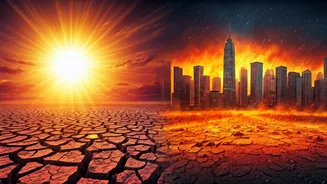
The core of the problem is the 'urban heat island' effect. Cities have become vast sponges for solar radiation. Materials like concrete, asphalt, and dark-coloured roofing are culprits with low 'albedo,' meaning they absorb most of the sunlight that hits
them instead of reflecting it. Throughout the day, our buildings, roads, and pavements soak up immense amounts of heat. When night falls, these surfaces slowly release that stored energy back into the atmosphere, keeping the ambient temperature uncomfortably high. Studies show this can make urban areas several degrees warmer than surrounding rural landscapes, with nighttime temperatures in some Indian cities rising noticeably over the last two decades.
Canyons of Trapped Heat
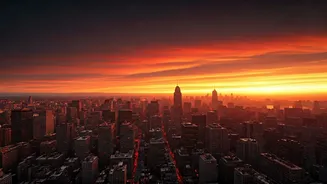
The very design of modern Indian cities contributes to this thermal trap. Densely packed high-rise buildings create 'urban canyons' that prevent heat from escaping. These narrow street corridors limit wind flow, which would otherwise help dissipate the accumulated warmth. At night, as buildings radiate heat, it gets trapped between adjacent structures instead of escaping into the cooler upper atmosphere. This effect is particularly pronounced in rapidly expanding cities where vertical growth outpaces thoughtful urban planning, turning entire neighbourhoods into ovens that never quite cool down.
The Vanishing Green and Blue
Our cities have systematically replaced natural cooling systems with heat-retaining infrastructure. Trees, parks, and water bodies like lakes and ponds have been sacrificed for development. Green spaces provide cooling in two ways: by offering shade and through a process called evapotranspiration, where water evaporating from leaves and soil cools the surrounding air. The drastic loss of green cover in cities like Mumbai and Bengaluru is well-documented. Without these natural air conditioners, the urban heat island effect intensifies, leaving residents with no respite from the relentless heat.
The Human Cost and Energy Drain
This lack of nighttime cooling is more than just a discomfort; it's a serious health risk. The human body relies on cooler overnight temperatures to recover from daytime heat stress. When nights remain hot, the body's ability to regulate its internal temperature is compromised, increasing the risk of heat exhaustion, heatstroke, and worsening chronic conditions, especially for the elderly, children, and outdoor workers. Furthermore, it creates a vicious cycle of energy consumption. Hotter nights mean a greater reliance on air conditioners, which, while cooling interiors, pump waste heat outside, further warming the urban environment and increasing electricity demand.
Paving a Cooler Path Forward
Addressing the thermal trap requires a fundamental shift in urban planning. Solutions are available and are being piloted in several Indian cities. 'Cool roofs,' which use reflective paints or materials to bounce sunlight back into space, have been shown to lower indoor temperatures by 2 to 5°C. Cities like Hyderabad and Chennai are already promoting these initiatives. Other strategies include re-introducing nature into the urban fabric through green roofs, vertical gardens, and protecting and restoring water bodies. Using more permeable and reflective materials for pavements can also make a significant difference. Ultimately, combating the urban heat island is about designing cities for people and the environment, not just for concrete expansion.