





A Comforting, Conditioned Response
It’s a ritual that transcends generations and geography. As the humidity climbs and a familiar dampness settles in, kitchens across the country begin to simmer with the aromatic promise of a freshly brewed kadha. This isn’t just about warding off a cold;
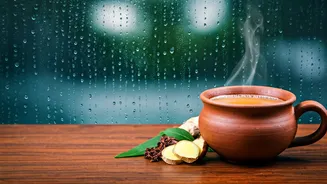
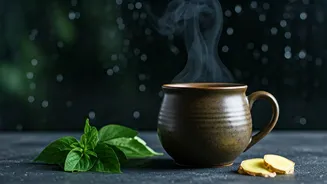
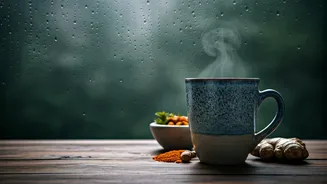
it’s a deep-seated cultural habit, a comforting embrace in a mug. The connection between rain and this herbal decoction is so strong it feels almost Pavlovian. The sound of thunder is often accompanied by the clinking of a saucepan and the gentle pounding of ginger and spices. It’s the unofficial, unspoken signal that the season has truly turned, and our bodies and souls require a specific kind of warmth that only a homemade remedy can provide.
What Exactly Is Kadha?
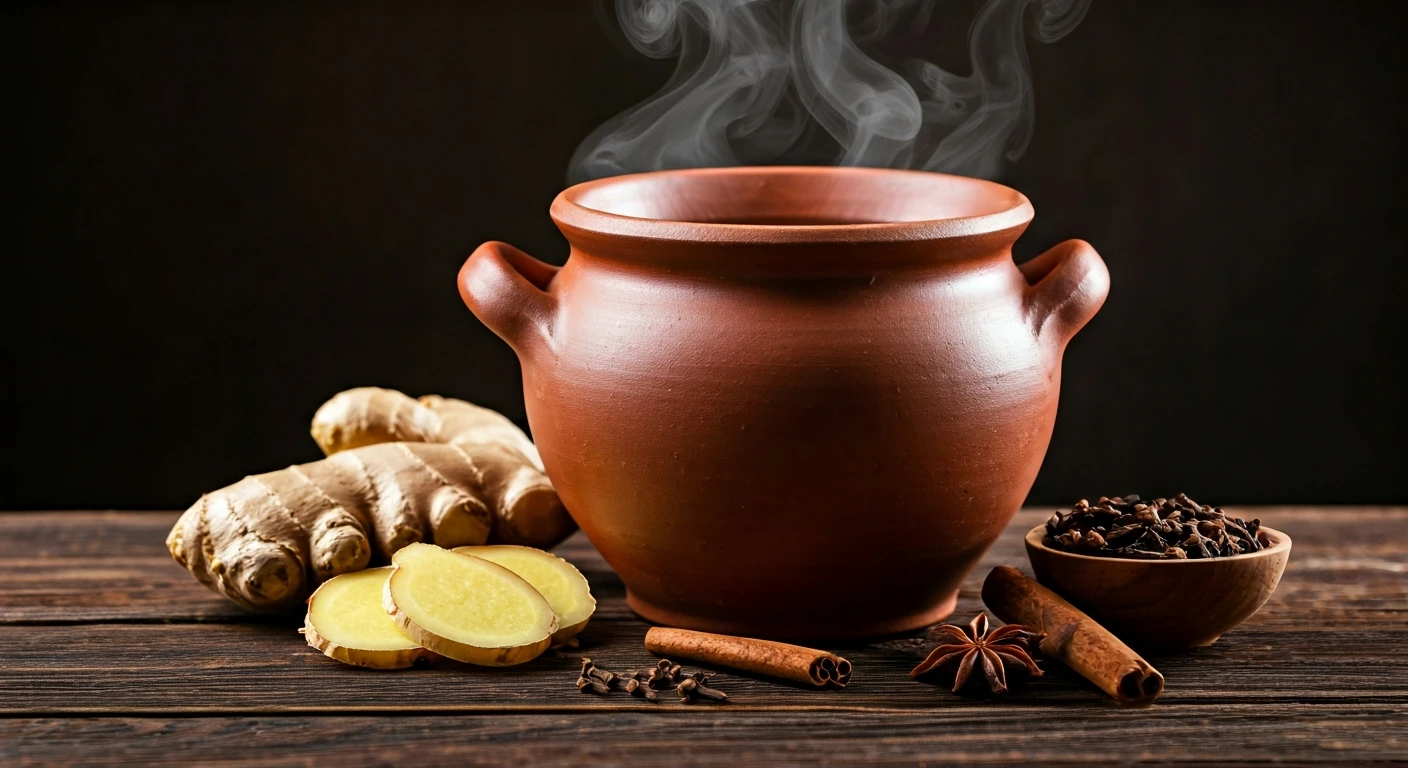
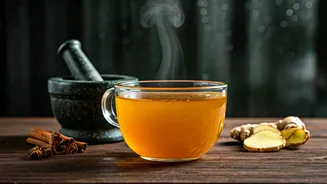
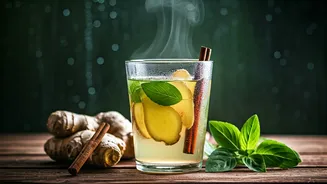
For the uninitiated, kadha is not tea. It’s an Ayurvedic decoction, a concoction made by boiling a specific combination of herbs and spices in water until the liquid is reduced and has extracted all the potent goodness from the ingredients. While there is no single, fixed recipe—every family has its own secret, handed-down version—the core components are usually consistent. You’ll almost always find ginger (adrak) and black pepper (kali mirch) for their heat, along with holy basil (tulsi) for its revered properties. Other common additions include cloves (laung), cinnamon (dalchini), cardamom (elaichi), and a touch of honey or jaggery to make the potent brew more palatable. It's a symphony of spices, each playing a crucial role in the final flavour and perceived benefits.
The Wisdom of Ayurveda
The practice of drinking kadha during the monsoon is deeply rooted in Ayurvedic principles. Ayurveda, the ancient Indian system of medicine, places great emphasis on living in harmony with nature and adapting one’s diet and lifestyle to the changing seasons. The monsoon is seen as a time when the body's digestive fire (agni) is weaker and susceptibility to Vata-related imbalances—like colds, coughs, and joint pains—is higher. The ingredients in kadha are traditionally chosen for their warming (ushna) properties. Ginger is believed to aid digestion and fight inflammation. Tulsi is revered as an adaptogen that helps the body combat stress and boosts immunity. Black pepper and cloves are known for their ability to help clear respiratory congestion. The drink is designed to create internal heat, counteract the damp chill of the rains, and fortify the body’s natural defences.
A Recipe Steeped in Nostalgia
Beyond its wellness benefits, kadha is a powerful vessel of nostalgia. The sharp, spicy aroma that fills the house is, for many, the scent of childhood and care. It evokes vivid memories of mothers and grandmothers insisting on “just one cup” to keep the seasonal sniffles at bay. The slightly sharp taste, often tempered with a spoonful of honey, is a reminder of being looked after. In a fast-paced world, the simple act of preparing and sipping a kadha is a moment of pause. It’s a connection to our roots, a tangible link to the women in our families who held this knowledge and passed it down not as a prescription, but as an act of love.
The Modern-Day Revival
While the tradition is ancient, kadha has experienced a significant modern revival. The global wellness boom and a renewed interest in natural remedies have put it back in the spotlight. The COVID-19 pandemic, in particular, saw a massive resurgence in its popularity, with people across the country turning to it as an immunity-boosting brew. This demand has led to a wave of innovation. Today, you can find everything from instant kadha powders and teabags to ready-to-drink kadha shots, catering to a new generation that may not have the time to pound and boil from scratch but still craves the comfort and benefits of the traditional drink. It proves that some traditions are not just resilient; they adapt and thrive.