


The Anatomy of a Modern Thirst-Quencher
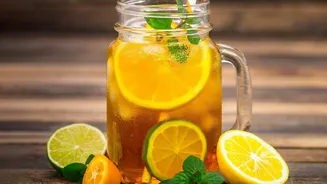
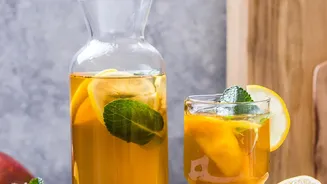
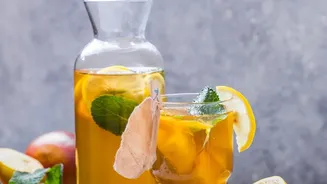
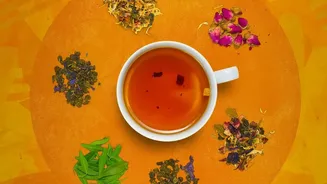
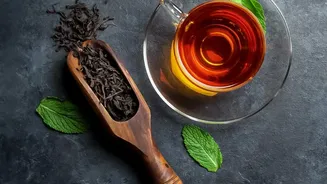
So, what exactly is a cold-brewed botanical drink? It’s a beverage crafted by steeping herbs, flowers, fruits, and spices—known collectively as botanicals—in cold water for an extended period, often between 12 to 24 hours. Unlike traditional iced tea,
which is typically brewed hot and then cooled down, the cold-brew method is a slow, gentle infusion. This technique avoids the high heat that can release tannins and other bitter compounds from plants. The result is a drink that is remarkably smooth, naturally sweeter, and less acidic, allowing the nuanced flavours of the botanicals to come forward in a clean, crisp way. These are not your average flavoured waters; they are complex drinks designed to deliver both flavour and functional benefits derived directly from the plants themselves.
A Symphony of Tradition: Tulsi and Lemongrass
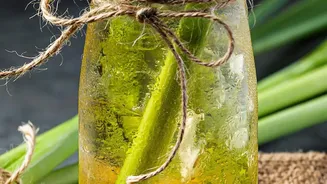
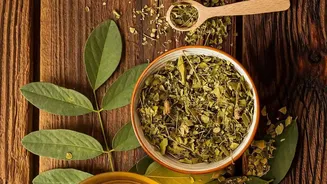
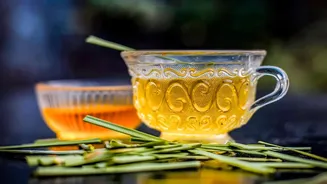
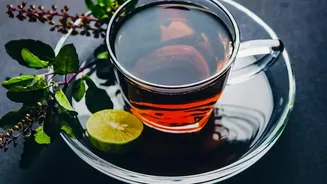
While the cold-brewing technique is modern, the choice of ingredients is often deeply rooted in Indian tradition. The headline stars, tulsi (Holy Basil) and lemongrass, are perfect examples. For generations, these herbs have been staples in Ayurvedic practices and home remedies. Tulsi, revered as 'The Queen of Herbs,' is an adaptogen known for its ability to help the body manage stress and support the immune system. Its flavour is complex—peppery, slightly sweet, and aromatic. Lemongrass, with its bright, citrusy zing, is traditionally used for its cooling properties and as a digestive aid. When combined and cold-brewed, their flavours meld into something truly special. The gentle process extracts tulsi's calming, aromatic notes and the refreshing zest of lemongrass without any harshness, creating a drink that feels both restorative and invigorating.
Why the Sudden Craze?
This trend is emerging at the intersection of several major cultural shifts. Urban Indian consumers are increasingly health-conscious, actively seeking out low-sugar and natural alternatives to mass-produced soft drinks. Botanical drinks, which derive their flavour from real ingredients rather than artificial syrups, fit this demand perfectly. There's also a growing appreciation for localism and a desire to connect with familiar, nostalgic flavours but in a contemporary format. Seeing tulsi and lemongrass, ingredients often associated with homemade kadhas or traditional teas, on a chic cafe menu feels both innovative and comforting. It speaks to a generation that is globally aware yet proud of its Indian heritage, transforming a simple act of hydration into a wellness experience.
More Than Just a Cafe Drink
The influence of cold-brewed botanicals is expanding beyond the cafe. Discerning restaurants are adding them to their menus as sophisticated non-alcoholic pairings that can stand up to complex dishes. Bartenders are using them as artisanal mixers to create unique cocktails that offer a departure from overly sweet juices. The flavour profiles—herbaceous, floral, and citrusy—provide a versatile base for both alcoholic and zero-proof creations. This versatility is also inspiring a home-brewing movement. With nothing more than a jar, water, and quality herbs, anyone can experiment with their own botanical infusions. Brands are tapping into this by offering high-quality loose-leaf blends specifically designed for cold brewing, making it easier than ever to enjoy these refreshing creations at home.