




The Rise of the 'Skin-tellectual'
A quiet revolution is happening in the beauty bags of Indian shoppers. No longer swayed solely by celebrity endorsements or legacy brand names, a new generation of consumers—often dubbed 'skin-tellectuals'—is emerging. Armed with smartphones and a thirst
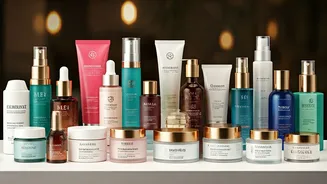
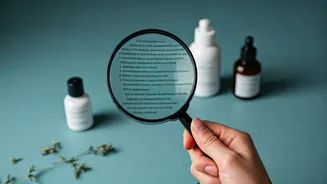
for knowledge, they are prioritising what’s inside the bottle over the marketing hype outside. This shift is driven by increased access to information, a growing 'clean beauty' movement, and the powerful influence of social media 'skinfluencers' who break down complex chemical compounds on platforms like Instagram and YouTube. [6, 9] In fact, 81% of consumers now rate ingredient transparency as extremely important. [2] This signals a fundamental change from blind trust to informed purchasing, where the ingredient list is the first, and often most important, point of engagement. [18]
Decoding the Labels: What's In and What's Out
So, what are these discerning shoppers looking for? The focus has moved towards efficacy-led, evidence-based ingredients. [4] Consumers are actively seeking out hero actives known for their proven benefits. Names like hyaluronic acid for hydration, niacinamide for oil control and blemishes, vitamin C for brightening, and peptides for anti-ageing are no longer niche terms but sought-after components. [2, 12] Simultaneously, there's a growing blacklist of 'nasties'. A significant portion of consumers are now deliberately avoiding products containing parabens, sulfates, silicones, and synthetic fragrances, driven by concerns about potential skin irritation and long-term health effects. [5, 17] This has fuelled demand for 'clean' and 'natural' products, with over 47% of Indian consumers choosing natural ingredients as a key feature in skincare. [5, 17]
The Ayurvedic Renaissance Meets Modern Science
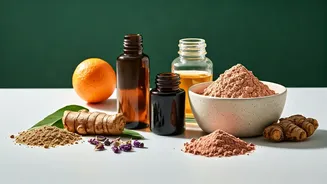
This trend isn't just about adopting global standards; it's a unique blend of modern science and Indian heritage. While shoppers are embracing clinical actives, there's also a renewed appreciation for traditional Ayurvedic ingredients. [2] Ingredients like turmeric, neem, sandalwood, and banyan leaf are being celebrated for their proven, time-tested benefits. [2, 12] The most successful brands are those that master this hybrid approach, combining the best of both worlds. They are creating formulations that blend the efficacy of scientifically-backed actives with the holistic, natural appeal of Ayurveda, catering perfectly to the modern Indian consumer who wants results rooted in tradition. [2] Over 90% of consumers use Ayurvedic ingredients at least occasionally, showing the deep cultural relevance of this trend. [2]
How Brands Are Responding to the Challenge
This consumer-led movement has forced the entire beauty industry to adapt. Legacy giants and nimble direct-to-consumer (D2C) brands alike are reformulating products and prioritising transparency. [5, 18] Brands like Mamaearth, Minimalist, and Deconstruct have built their entire philosophy around ingredient transparency, using taglines like 'Toxin-Free' and 'Hide Nothing' to build trust. [7, 11] They openly disclose ingredient sources and use educational content to explain the benefits of their formulations. This has proven to be a winning strategy in a market where the 'clean beauty' segment is projected to grow at a compound annual growth rate of nearly 17.7% through 2033. [3, 14] The success of these D2C brands highlights a major shift: marketing is no longer just about persuasion, but about providing credible, formulation-led education. [21]