








More Than a Moment: Why Fibre is Trending Now
After years of protein grabbing the spotlight, 2026 is seeing a significant shift in nutritional focus towards dietary fibre. This isn't just a fleeting social media challenge—though a movement called “fibermaxxing” has gained traction—it reflects a deeper
consumer understanding of the crucial link between gut health and overall well-being. Food industry giants and market analysts have taken note, predicting that fibre will be a major focus for years to come. The trend is driven by a growing awareness that most people are not getting nearly enough of this essential nutrient, with some reports suggesting over 90% of adults fall short of the recommended daily intake.
Your Gut's Best Friend: The Science Simplified
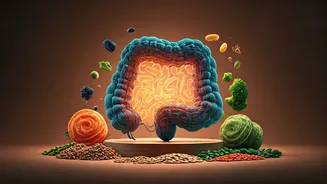
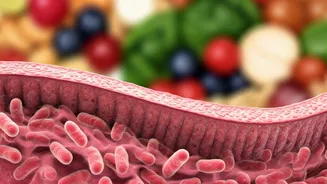
At its core, the fibre trend is a gut health trend. Dietary fibre acts as a prebiotic—essentially, food for the beneficial bacteria living in your digestive system. A healthy gut microbiome, teeming with good bacteria, influences everything from digestion to immune function and even mental health. When these bacteria ferment fibre, they produce short-chain fatty acids (SCFAs), which have anti-inflammatory effects and support the health of your colon lining. By nourishing these microbes, a high-fibre diet helps maintain a balanced internal ecosystem, which is foundational to long-term health.
The Full-Body Benefits of a Fibre-Rich Diet
The advantages of adequate fibre intake extend far beyond the digestive system. A high-fibre diet is linked to a wide array of health benefits. It can help lower LDL (or "bad") cholesterol levels, reduce blood pressure, and lessen inflammation, all of which are protective for your heart. For those managing blood sugar, fibre—especially the soluble kind—slows the absorption of sugar, helping to prevent sharp spikes and supporting the management of conditions like type 2 diabetes. Furthermore, high-fibre foods tend to be more filling and less energy-dense, which can help with weight management by promoting satiety and reducing overall calorie intake.
Soluble vs. Insoluble: Getting the Right Mix
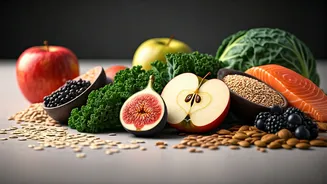
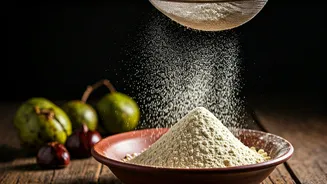
Not all fibre is created equal. It's broadly categorized into two types: soluble and insoluble, and both are vital. Soluble fibre dissolves in water to form a gel-like substance. This type is responsible for slowing digestion, which helps with blood sugar control and lowering cholesterol. You can find it in oats, beans, apples, carrots, and psyllium. Insoluble fibre does not dissolve in water. It adds bulk to stool and helps food pass more quickly through the digestive system, promoting regularity and preventing constipation. Good sources include whole-wheat flour, nuts, beans, and vegetables like cauliflower and green beans. Most plant foods contain a mix of both, so a varied diet is key.
The Indian Fibre Advantage
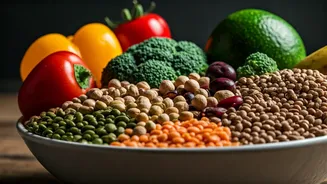
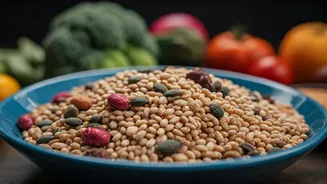
For those in India, embracing the fibre trend doesn't require a radical dietary overhaul. Traditional Indian cuisine is naturally rich in fibre. Staples like lentils and legumes (dals, chana, rajma), whole grains (whole wheat, bajra, jowar), and a wide variety of vegetables and fruits are fibre powerhouses. Dishes like chole, rajma, vegetable sambar, and khichdi are excellent sources. Even simple daily choices, like opting for whole wheat roti, brown rice, or including a side of salad (kachumber), significantly boost your daily intake. Local fruits like guava are exceptionally high in fibre, as are everyday staples like bananas and apples.