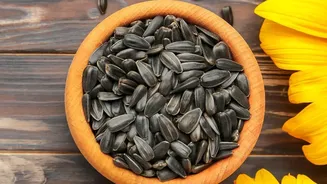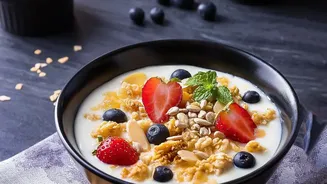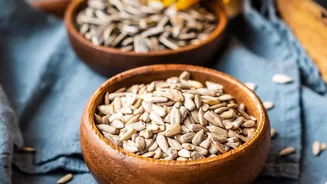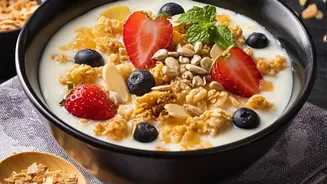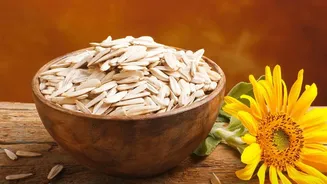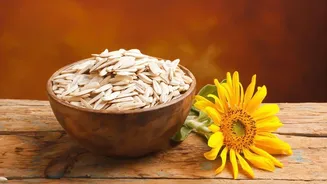



Looking for a simple way to boost the nutritional value of your morning meal? A sprinkle of sunflower seeds might be the answer. These tiny kernels are more than just a crunchy topping; they are a powerhouse of nutrients that can upgrade your breakfast.
A Nutritional Powerhouse in a Tiny Shell
Don't let their small size fool you; sunflower seeds are packed with an impressive array of vitamins and minerals. Just a small serving, about a quarter cup, provides a significant amount of your daily needs for vitamin E and selenium. Vitamin E is a powerful antioxidant that helps protect your body's cells from damage. Selenium is another crucial antioxidant that supports immune function and protects cells from damage that could lead to chronic diseases. Sunflower seeds are also an excellent source of healthy fats, primarily polyunsaturated and monounsaturated fats, which are beneficial for heart health. On top of that, they offer a good dose of plant-based protein, fibre, and essential minerals like magnesium, copper, and zinc.
Health Benefits to Start Your Day
Incorporating these nutrient-dense seeds into your breakfast can have tangible health benefits. The combination of healthy fats, magnesium, and plant compounds can contribute to better heart health by helping to lower blood pressure and cholesterol levels. The high vitamin E and selenium content provides strong anti-inflammatory and antioxidant effects, which can help reduce the risk of several chronic conditions. For those concerned with blood sugar, the protein, fibre, and healthy fats in sunflower seeds can help promote stable energy levels throughout the morning, preventing the sharp spikes and crashes associated with high-carbohydrate breakfasts. They are also a source of B vitamins, including thiamine (B1), which is essential for converting food into energy.
Easy Ways to Add Seeds to Your Breakfast
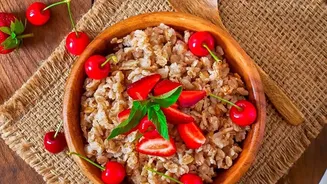
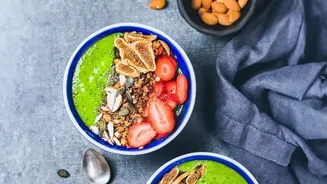
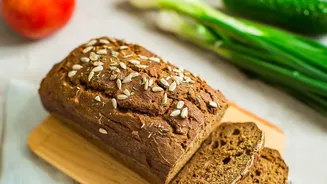
Adding sunflower seeds to your morning routine is simple and versatile. There's no complex preparation required. You can sprinkle raw or lightly roasted kernels over hot or cold cereal, oatmeal, or yogurt parfaits for an instant crunch and nutrient boost. They mix well into traditional Indian breakfast dishes, too; try adding a spoonful to upma or poha just before serving. For those who enjoy smoothies, blending in a tablespoon of sunflower seeds or sunflower seed butter can add creaminess, protein, and healthy fats. They can also be incorporated into the batter for homemade muffins, pancakes, or breads. Another creative option is to toast them with a bit of salt and spices and serve them alongside scrambled eggs for added texture.
A Note on Portion Size and Preparation
While incredibly healthy, sunflower seeds are also calorie-dense. A standard serving is about a quarter cup or 28-30 grams. Sticking to this portion size allows you to reap the benefits without unintentionally consuming excess calories, which could lead to weight gain. When choosing sunflower seeds, opt for unsalted varieties whenever possible to keep your sodium intake in check. Many prepackaged roasted seeds are high in added salt. Lightly roasting them yourself at a low heat can enhance their nutty flavour without compromising their nutritional value; high heat roasting can diminish their vitamin E content. Excessive consumption can also sometimes lead to digestive discomfort like bloating or diarrhoea due to their high fibre content, so moderation is key.