



An Unseen Force: Barometric Pressure
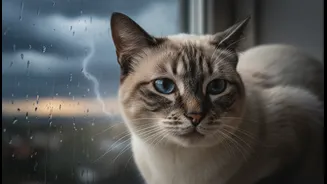
Long before we hear the first clap of thunder, cats can sense a storm is brewing. Their inner ears are incredibly sensitive to drops in atmospheric pressure that signal a change in weather. For a senior cat, this physical sensation can be unsettling.
As cats age, their joints can also become more sensitive, and just like in humans, pressure changes can exacerbate aches and pains, adding physical discomfort to their growing sense of unease. This early warning system, which once might have just made them seek shelter, can become a source of anxiety as their ability to cope with stressors diminishes with age.
The Challenge of an Aging Auditory System
A common misconception is that because older cats may experience gradual hearing loss, loud noises like thunder would bother them less. However, the reality is more complex. Age-related hearing loss, known as presbycusis, is often uneven. A cat might lose the ability to hear certain frequencies but become more sensitive to others. This means the low-frequency rumbles of thunder can be perceived as more jarring and threatening than before. This change in how they perceive sound, combined with the unpredictability of storm noises, can create a state of high alert and fear in an animal that was previously unfazed by storms.
Cognitive Changes and Increased Anxiety
One of the most significant factors is Feline Cognitive Dysfunction (FCD), a condition similar to dementia in humans that affects a large percentage of cats over the age of 11. FCD impacts memory, awareness, and the ability to process stimuli. This can lead to general confusion and heightened anxiety, which is then amplified by the sensory overload of a monsoon storm—the loud noises, flashing lightning, and even the change in routine. A cat with FCD is less equipped to understand and rationalise these environmental changes, causing them to react with fear to things that never bothered them in their youth.
Recognising the Signs of Distress
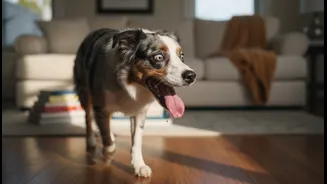
Cats are masters at hiding illness, but noise anxiety often presents with clear behavioural signs. During a storm, you might notice your senior cat hiding in unusual places, like a closet or under the bed. Other signs of severe stress include trembling, excessive meowing or crying, panting, and over-grooming. Some may become unusually clingy, while others might react with uncharacteristic aggression if approached. In extreme cases, a cat may even lose control of their bladder. Recognising these behaviours as signs of anxiety, not bad behaviour, is the first step toward helping them.
How to Create a Calm Oasis
Fortunately, you can take practical steps to ease your cat's anxiety. The most important is to create a safe, secure space where they can retreat. This could be a closet or a bathroom, made comfortable with their favourite blanket. Insulating the space from noise and light by closing curtains and playing soft music or white noise can also help. Feline pheromone diffusers can create a calming environment, and for some cats, a pressure wrap or 'thunder shirt' provides a comforting, swaddled feeling. Distracting them with quiet play or a special treat before the storm's peak can redirect their nervous energy. Above all, remain calm yourself; your cat will take cues from your behaviour.