



What Are Ultra-Processed Foods?
Ultra-processed foods are not just processed; they are industrial formulations. Think of ingredients you wouldn't typically find in a home kitchen: artificial colours, flavours, emulsifiers, and preservatives. These items go through multiple industrial processes.
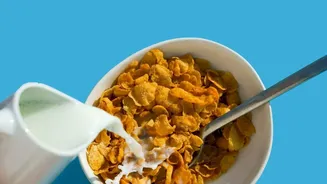
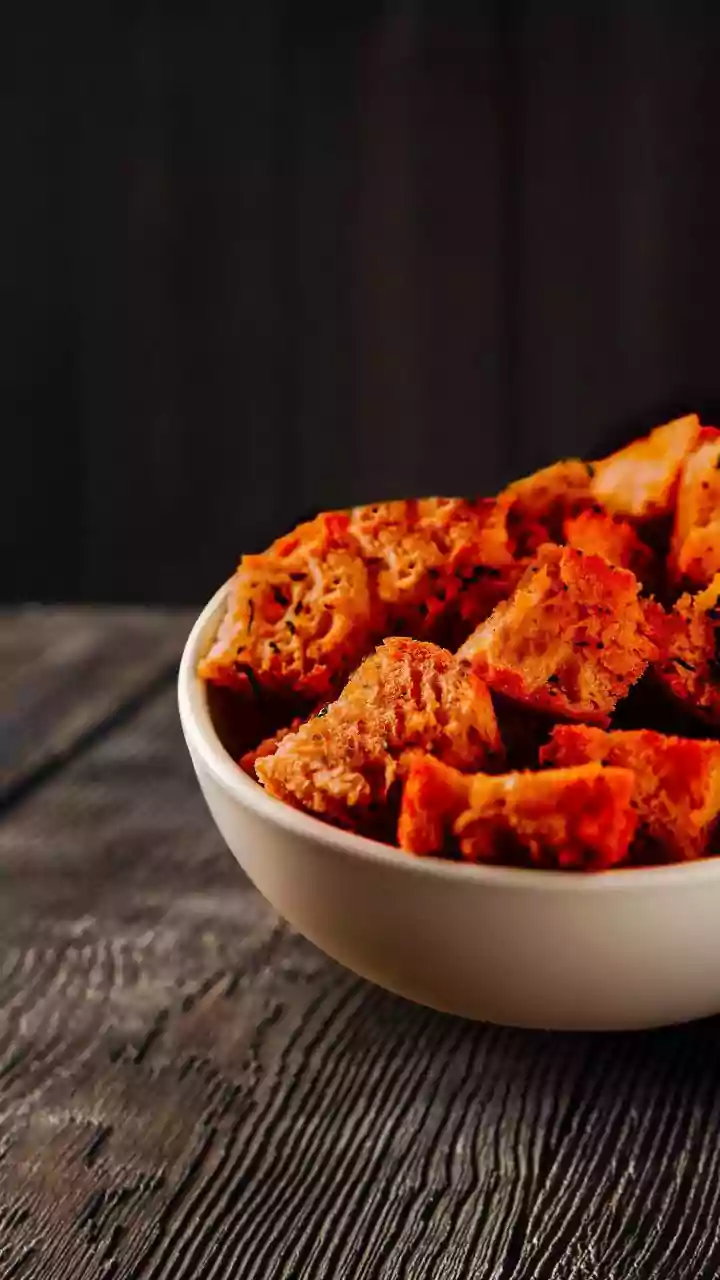
While processed foods like cheese or canned vegetables are modified but still recognisable, UPFs are engineered to be hyper-palatable, cheap, and have a long shelf life. Common examples in India include instant noodles, packaged chips and namkeen, sugary biscuits, soft drinks, and frozen ready-to-fry snacks. Even some items perceived as traditional, like instant dosa or sambar mixes, can qualify as ultra-processed due to added industrial ingredients.
The Alarming New Evidence
Recent large-scale studies have solidified the link between high UPF consumption and serious health problems. An extensive 2024 umbrella review published in The BMJ, which analyzed data from nearly 10 million people, found consistent evidence linking UPFs to 32 damaging health outcomes. Convincing evidence showed a roughly 50% increased risk of cardiovascular disease-related death and a 48-53% higher risk of anxiety and common mental disorders. The review also pointed to a 21% greater risk of death from any cause, a 22% increased risk of depression, and a 40-66% increased risk of heart disease-related death, obesity, and sleep problems. It's not just about the poor nutrient profile (high salt, sugar, and fat); researchers now believe the industrial processing itself, including additives and the alteration of the food's physical structure, contributes to these health risks.
The Indian Context: A Growing Crisis
The consumption of UPFs in India is growing at an alarming rate. One World Health Organization report noted that the sector grew at a compound annual growth rate of over 13% between 2011 and 2021. This shift is driven by urbanization, busy work schedules, rising incomes, and aggressive marketing, especially towards children. As a result, many households are replacing traditional, freshly prepared meals with convenient, packaged alternatives. This dietary transition is directly contributing to India’s rising rates of obesity, diabetes, and hypertension. A 2020 study in The Lancet suggested that the average Indian household now gets more calories from processed foods than from fruits. Public health experts warn that misleading health claims on packaging often obscure the true nature of these products.
Practical Steps for Your Kitchen
Tackling the UPF habit doesn't require an all-or-nothing approach. Small, consistent changes can make a big difference. The first step is to become a more conscious consumer by reading ingredient labels. If the list is long and full of chemical-sounding names, it's likely ultra-processed. Prioritize cooking at home whenever possible, using fresh and minimally processed ingredients. Swap out packaged snacks like chips and biscuits for healthier alternatives like roasted makhana, chana, or fresh fruit. Instead of sugary packaged drinks, opt for traditional choices like nimbu pani, coconut water, or buttermilk. Reducing reliance on ready-to-use pastes and gravy mixes can also lower your intake of hidden preservatives and additives. The goal is progress, not perfection, in reclaiming a more traditional, whole-food-based diet.