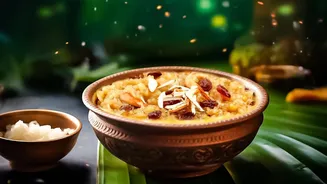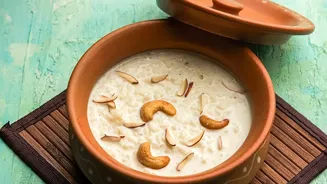







Move over, refined sugar. There’s a traditional sweetener that brings an earthy, complex, and deeply nostalgic flavour to one of India’s most beloved desserts. We’re talking about using fresh sugarcane juice to create a truly special kheer.
A Sweet Twist on Tradition
Kheer, the
quintessential Indian rice pudding, is a dessert synonymous with comfort, celebration, and tradition. While most recipes rely on sugar or jaggery for sweetness, there's a lesser-known but incredibly flavourful version called 'rasawal' or 'rooh di kheer' that uses fresh sugarcane juice. This preparation is especially popular in regions like Punjab and Uttar Pradesh, often made during winter harvest festivals like Lohri and Makar Sankranti. Using sugarcane juice instead of processed sugar imparts a unique, fresh, and earthy taste that is both rustic and refined. Since the juice is the unrefined source of sugar, it carries a more complex flavour profile and retains some of the plant's natural minerals. The result is a kheer that isn’t just sweet, but tells a story of the soil it came from.
Gathering Your Ingredients
The beauty of this recipe lies in its simplicity and reliance on pantry staples. No need for condensed milk or fancy flavourings; the sugarcane juice is the star. Here’s what you’ll need:
Fresh Sugarcane Juice (Ganne ka Ras): 1 litre. Ensure it's pure, without any added lemon, ginger, or salt. Freshness is key, as the juice can spoil quickly.
Rice: ½ cup. A short-grain, aromatic variety like Gobindobhog or broken Basmati works best as they cook to a creamy consistency. Wash the rice and soak it for at least 30 minutes before you begin.
Green Cardamom (Elaichi): 3-4 pods, crushed to release their aroma.
Mixed Nuts & Raisins: A handful of almonds, cashews, and pistachios, roughly chopped. Raisins add a lovely burst of sweetness.
Ghee: 1 tablespoon (optional, for frying the nuts).
Milk: A few tablespoons (optional). This is a crucial ingredient for a specific technique to clean the juice and can add creaminess.
The Step-by-Step Method
Cooking this kheer is a process of patience, but the reward is immense. Many traditional recipes cook the rice directly in the sugarcane juice. Here is a common method:
1. Prepare the Juice: Pour the sugarcane juice into a heavy-bottomed pot. Bring it to a boil over medium heat. As it heats, a layer of scum or impurities will rise to the surface. You can add a splash of milk at this stage, which helps coagulate the impurities, making them easier to remove. Carefully skim this froth off with a spoon or sieve and discard it. This step ensures a cleaner taste and better texture.
2. Cook the Rice: Once the juice is clear, reduce the heat to low. Drain the soaked rice and add it to the pot along with the crushed cardamom.
3. Simmer and Stir: Let the kheer simmer on low heat, stirring frequently to prevent the rice from sticking to the bottom. This slow cooking process allows the rice to absorb the sugarcane juice and become tender. The mixture will gradually thicken. This can take anywhere from 30 to 45 minutes.
4. Add Nuts and Finish: While the kheer is simmering, you can lightly fry your chopped nuts in ghee until golden brown. Once the rice is fully cooked and the kheer has reached your desired consistency, stir in the fried nuts and raisins. Cook for another 5 minutes before turning off the heat.
Tips for a Perfect Outcome
Making kheer with sugarcane juice has a few nuances. Keep these tips in mind for a foolproof dessert:
Don't Skip the Skimming: Removing the initial scum that forms when the juice boils is essential for a clean flavour and appearance.
Low and Slow is the Way to Go: Patience is your best friend. Cooking on a low flame allows the rice to cook through evenly and the kheer to develop a rich, creamy texture without scorching.
Mind the Consistency: The kheer will continue to thicken as it cools. If you plan to serve it chilled, take it off the heat when it's slightly thinner than you'd like the final consistency to be.
On Using Milk: While some recipes are milk-free, others add milk towards the end for extra creaminess. If you choose to do this, ensure the kheer has cooled slightly first. Adding cold milk to very hot sugarcane juice can sometimes cause it to split.
* Choose the Right Rice: Short-grain or broken rice varieties release more starch, which naturally thickens the kheer and gives it a creamier mouthfeel.
Serving and Variations
Ganne ka kheer is wonderfully versatile. It can be served warm, straight from the pot on a chilly evening, or chilled for a refreshing summer dessert. Some enjoy it just as it is, while others prefer to garnish it with a few extra slivered almonds or even a pinch of saffron for a touch of luxury. For a different texture, you can add roasted peanuts or grated coconut along with the other nuts. This dessert is naturally quite sweet from the concentrated juice, so a little goes a long way. Whether you're trying it for the first time or revisiting a childhood memory, this unique kheer is a delightful way to celebrate the natural sweetness of one of India’s most cherished crops.