






That familiar mid-morning slump, the sudden dip in energy and focus, is often a direct result of our first meal of the day. A well-constructed Indian breakfast, however, can completely change this narrative for your busy mornings.
The Morning Blood Sugar Rollercoaster
Many traditional Indian
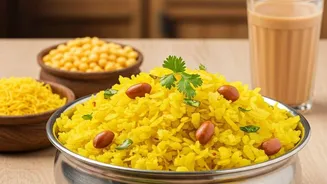
breakfasts, while delicious, are high in simple carbohydrates. Think of a plate of plain poha, white bread with jam, or a sugary bowl of cereal. These foods are digested quickly, causing a rapid spike in blood sugar. Your body responds by releasing a large amount of insulin to manage this surge, which then leads to a swift crash in blood sugar levels. This crash is what brings on feelings of fatigue, irritability, and intense cravings for another quick energy fix, usually something sweet or fried, long before lunchtime arrives. It's a cycle that repeats daily, impacting productivity and overall well-being.
The Power of Protein, Fibre, and Fat
The secret to stable energy isn't eliminating carbohydrates but balancing them. The key is to include protein, fibre, and healthy fats in your morning meal. These three components work together to slow down the digestion and absorption of carbohydrates. Protein and fibre are particularly effective at this, forming a sort of buffer that leads to a much slower, more gradual release of glucose into the bloodstream. Instead of a sharp spike and crash, you get a steady, sustained supply of energy that keeps you feeling full, focused, and satisfied for hours.
Building Your Balanced Indian Breakfast
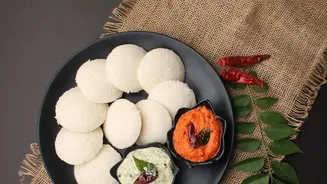
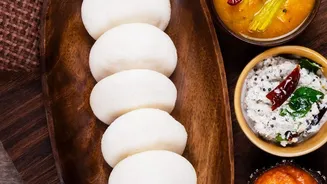
The golden rule is to never let a carbohydrate eat alone. Always pair your primary carb source with a source of protein and, ideally, some vegetables for fibre. For example, if you love idli, have two instead of four, but pair them with a large bowl of vegetable-rich sambar, which is packed with lentils (protein) and vegetables (fibre). If poha is your go-to, reduce the amount of flattened rice and load it up with peanuts, sprouts, and plenty of sautéed vegetables to increase its protein and fibre content. This simple principle of combination is more effective than completely banning your favourite foods.
Smart Breakfast Swaps and Ideas
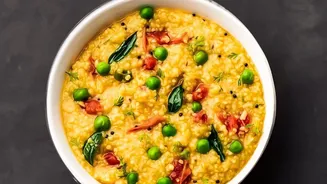
Making your breakfast work for you is about smart modifications. Instead of a plain paratha, opt for one stuffed with paneer, dal, or sattu and serve it with a side of plain curd. Besan or moong dal chilla are excellent choices as they are made from legumes and are naturally high in protein and fibre. An egg bhurji loaded with onions, tomatoes, and capsicum served with a slice of whole-grain toast is another fantastic option. In South India, swapping a regular rice dosa for a pesrattu (moong dal dosa) or an adai (mixed lentil dosa) significantly boosts the protein content. Even a simple bowl of oats upma becomes a powerhouse when cooked with lots of vegetables.
Beyond the Plate: Other Key Factors
While what you eat is crucial, how you eat it also matters. Pay attention to portion sizes; even healthy foods can cause blood sugar spikes if consumed in large quantities. Also, be mindful of hidden sugars in your morning routine. A seemingly healthy breakfast can be undone by a very sweet cup of tea or coffee. Try to reduce the amount of sugar in your beverages. Finally, avoid fruit juices, which are stripped of their fibre and act like sugary water in your bloodstream, and eat whole fruits instead. A small apple or a handful of berries provides fibre that helps manage sugar absorption.