






The Numbers Behind the Feeling
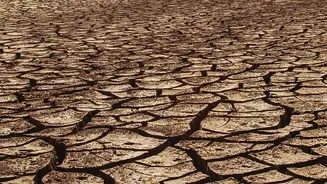
Many Bengaluru residents felt it in their bones: July 2026 was unusually dry. The data confirms this feeling. While the city typically receives between 80mm and 116mm of rainfall in July, this year saw significantly lower figures, marking one of the driest
Julys in recent history. For citizens who are used to the rhythm of a wet mid-monsoon, the persistent sunshine and lack of downpours was a noticeable and worrying departure from the norm. This wasn't just a feeling; it was a measurable deficit that stood in stark contrast to expectations.
A Tale of Two Monsoons
Here's where it gets complicated. Even as Bengaluru’s gardens wilted, the India Meteorological Department (IMD) might have declared the national monsoon performance as 'normal'. This isn't a contradiction; it's a matter of scale. A 'normal' monsoon means the all-India average rainfall is within a certain range of the long-term average. But this is a vast country. A national average can easily mask significant regional variations. Parts of the country could be flooding while others, like South Interior Karnataka, experience a deficit, yet the national needle doesn't move dramatically. This highlights a growing disconnect: the national label doesn't always reflect the reality on the ground in our cities.
Why the Local Disconnect?
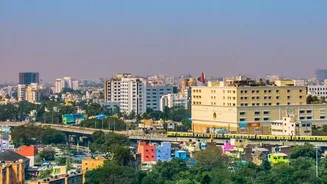
Several factors explain why a city can become a dry island in a sea of 'normal' monsoon. Rapid urbanisation is a key driver. The 'urban heat island' effect, where concrete jungles retain more heat, can alter local weather patterns, sometimes leading to more intense but less frequent bursts of rain. Studies show that rainfall within Bengaluru itself can vary dramatically; one part of the city might receive a torrential downpour while another, just 20 kilometres away, remains bone dry. Furthermore, broader climatic patterns and weak monsoon troughs can lead to strong, dry winds blowing over the region without the necessary moisture to produce rain, a phenomenon observed this season.
The Ripple Effect on the City
A dry July has tangible consequences for Bengaluru. The city is heavily dependent on the Cauvery River and its reservoirs, like the Krishna Raja Sagar (KRS), for its water supply. A weak monsoon in the catchment areas directly impacts the inflow into these reservoirs. While the Bangalore Water Supply and Sewerage Board (BWSSB) has assured residents of adequate supply for the immediate future based on current storage, a prolonged dry spell raises serious concerns. It puts more pressure on already depleting groundwater levels and brings back memories of past water crises, forcing authorities and citizens to consider conservation more seriously.
Why Your Weather App Knows Best
This brings us back to the headline's core message. In an age of climate variability, the broad, national monsoon label is becoming less relevant for urban planning and daily life. What matters more is granular, localised data. Thanks to a growing network of rain gauges across the city and advanced forecasting tools, we have more access to city-specific data than ever before. Paying attention to this local information—whether from the Karnataka State Natural Disaster Monitoring Centre (KSNDMC) or reliable weather apps—empowers us. It helps us understand our immediate environment, prepare for water shortages, and appreciate that when it comes to the monsoon, what matters most is the rain that falls in our own backyard.