





The Sunshine Vitamin's Shadow
Vitamin D deficiency in India has reached epidemic proportions, with some studies showing a prevalence of 70-100% across various demographics. This affects everyone, from urban professionals and children to pregnant women and even healthy young adults.
But why? Several factors are at play. Modern indoor lifestyles mean we get less sun exposure than previous generations. When we are outdoors, air pollution in many cities can filter out the specific UVB rays needed for vitamin D synthesis. Furthermore, Indian skin tones, which are rich in melanin, naturally provide more sun protection but also require longer sun exposure—up to three to five times more than lighter skin—to produce the same amount of Vitamin D. Cultural clothing choices that cover most of the skin also limit production.
Getting Your Dose from the Sun
Sunlight remains the most efficient source of Vitamin D. When UVB rays from the sun hit the skin, your body naturally produces Vitamin D3. For this to happen effectively, the time of day is crucial. The gentle light of early morning or late evening, while pleasant, has insufficient UVB rays. The optimal window for Vitamin D synthesis in India is between 10 AM and 3 PM. For many people with Indian skin tones, exposing the face, arms, and legs for about 30 to 45 minutes during this midday period, a few times a week, can significantly help maintain healthy levels. However, this should be balanced with the risks of prolonged sun exposure.
Can You Eat Your Vitamin D?
While sunlight is primary, diet plays a supporting role. However, natural food sources of Vitamin D are limited, especially in vegetarian diets. The best dietary sources are fatty fish like salmon, mackerel (bangda), and sardines (mathi). Egg yolks also contain Vitamin D, which is why it's a good idea to eat the whole egg. Some mushrooms, especially those exposed to UV light, can provide Vitamin D2, the plant-based form of the vitamin. While other foods like cheese and paneer contain trace amounts, it's difficult to meet the daily requirement from natural foods alone, especially without consuming fish regularly.
The Rise of Fortified Foods
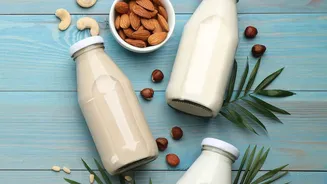
To combat widespread deficiency, many everyday staples in India are now fortified with Vitamin D. This means the vitamin is added during processing. Common examples include milk, edible oils, and breakfast cereals. Fortified soy milk and yoghurts are also becoming more available. These foods provide a practical way to increase your intake without major dietary changes. The recommended daily allowance (RDA) for adults in India is around 600 IU (International Units). Reading labels on fortified products can help you understand how much you're getting per serving and how it contributes to your daily goal.
Food vs. Supplements: The Key Differences
When diet and sun aren't enough, supplements are a common solution. The main difference lies in concentration and context. Food provides Vitamin D alongside other nutrients that can aid absorption. Supplements deliver a specific, measured dose, which is essential for correcting a diagnosed deficiency. Supplement claims often highlight their high potency, which is useful under medical guidance but can be risky if self-prescribed. There are two main forms: D2, which is plant-derived (from mushrooms), and D3, which is typically animal-derived (like the form your skin makes) and generally considered more potent and effective at raising and maintaining vitamin levels in the body. Supplements are a medical tool; they are not a substitute for a healthy diet but rather a way to correct a shortfall.
A Smart, Balanced Approach
A doctor can confirm a deficiency with a simple blood test. If your levels are low, they will likely prescribe a specific dosage, which might be a high-dose weekly supplement initially, followed by a lower-dose daily or monthly maintenance plan. It's crucial not to self-medicate with high-dose supplements, as excessive Vitamin D can be harmful. For general maintenance, a combination of sensible midday sun exposure, a diet including Vitamin D-rich or fortified foods, and a standard-dose supplement (if needed) is a balanced strategy for most people.