






A Politically Mandated Freeze
Since 2019, formal trade between the two nuclear-armed neighbours has been effectively suspended. Following the Pulwama attack, India revoked Pakistan's Most Favoured Nation (MFN) status, and in response, Pakistan halted bilateral trade. These restrictions
were tightened further following subsequent escalations, with both sides imposing bans on direct and even indirect trade. This created a challenging environment for businesses on both sides of the border that had long relied on each other for key materials and consumer goods. While Pakistan has permitted some limited imports from India on humanitarian grounds, primarily for life-saving pharmaceuticals, the broader commercial relationship remains officially severed.
The Dubai Detour
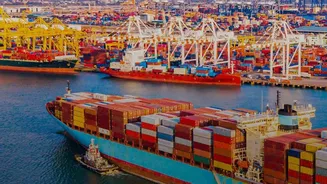
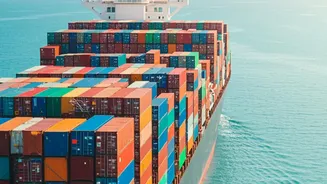
Economic necessity, however, is a powerful force. To circumvent the official bans, a robust grey-market trade route has flourished, primarily through intermediary hubs in the United Arab Emirates, and to a lesser extent, Singapore and Colombo. Indian suppliers ship their goods—ranging from textiles to chemical products—to ports like Jebel Ali in Dubai. There, intermediaries can legally import the products, relabel them to obscure their Indian origin, and then re-export them to Pakistan. This third-country routing allows Pakistani importers to access essential Indian goods without violating the letter of their country's law. For many Indian exporters, they may not even be aware of the final destination of their products, simply fulfilling an order from a client in Dubai.
What's on the Move?
Recent data from the State Bank of Pakistan reveals a significant flow of payments for Indian goods, highlighting the persistent demand. Between July and September 2026, payments for imports from India surged to nearly $62 million, a 69% increase from the same period the previous year. The majority of this unofficial trade is composed of essential items. Pharmaceuticals and organic chemicals are dominant, accounting for over 96% of the declared imports in the 2025-26 fiscal year. India's highly competitive pharmaceutical industry, particularly in active pharmaceutical ingredients (APIs), makes it an indispensable source for Pakistani medicine manufacturers due to price, availability, and proximity. Other goods making the journey include textiles, machinery parts, tyres, and agricultural products like spices and tea.
The High Cost of Indirect Trade
While this intermediary system keeps the wheels of commerce turning, it comes at a significant cost. The complex logistics of re-routing goods through a third country adds layers of expense, including shipping, warehousing, and intermediary fees. These additional costs are ultimately passed down to Pakistani consumers, who end up paying a premium for goods that could have been sourced directly and more cheaply. One business advocacy group, the Pak-India Business Council, estimated that the suspension of direct trade has cost the Pakistani economy an estimated $40 billion since 2019 due to higher import costs for everything from cotton to petroleum products. Furthermore, this informal trade means a loss of customs revenue for both governments, which could be substantial if these flows were formalized.
A Future Still in Question
The resilience of this grey-market trade underscores a simple reality: despite political hostility, the economies of India and Pakistan are deeply intertwined by geography and market dynamics. Business communities on both sides have repeatedly called for the normalisation of trade relations, pointing to the mutual benefits of lower costs, efficient supply chains, and regional cooperation. For now, the official stance remains unchanged, leaving businesses to navigate a complicated and expensive workaround. The flow of goods continues, not because of policy, but in spite of it, demonstrating that when there is a demand, the market will almost always find a supply.