
The Art of the Monsoon Spread
There’s an undeniable romance to the monsoon season, a feeling best complemented by a platter of comforting food shared with loved ones. While deep-fried pakoras are a classic, a modern spread often includes a healthier, more diverse mix. Steamed items
like momos and dhokla offer a light yet satisfying bite, while griddled treats like paneer tikka and aloo tikkis bring a smoky char and robust flavour. The challenge, however, is a classic one: how do you stop steamed dumplings from turning dry and hard, and how do you prevent your crispy tikkis from becoming disappointingly limp by the time they’re served? The secret lies not in last-minute kitchen heroics, but in thoughtful preparation.
The Steamed Dilemma: Locking in Moisture
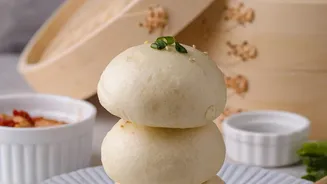
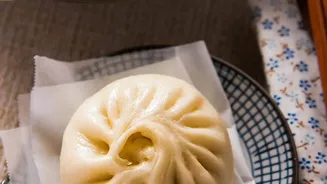
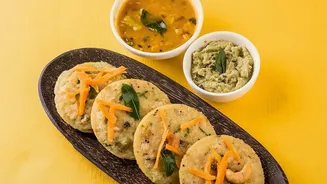
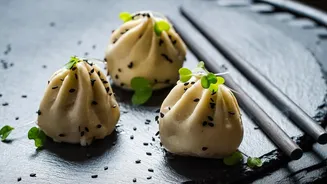
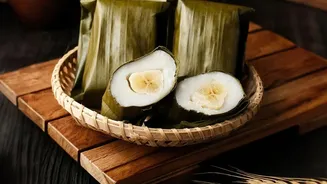
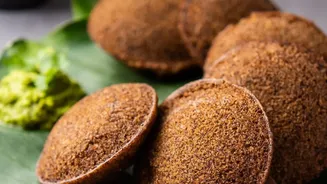
Steamed foods are delicate. Their soft, pillowy texture is their main appeal, but it's also tragically fleeting. The moment they start to cool, they begin to dry out. For snacks like momos, idlis, or patra, timing is crucial. If you're making them fresh, prepare them in batches. Serve the first batch while the next one is steaming. If you must make them ahead, the key is storing them correctly. Once steamed, place them in a casserole dish or an insulated container. A crucial tip is to keep them from drying out by covering them with a moist cloth before closing the lid. For momos, you can lightly grease the storage container and the momos themselves to prevent sticking and drying. Another method is to place them in a steamer basket over a pot of simmering water (not boiling) on the lowest heat setting, which creates a humid environment that keeps them perfectly tender until serving time.
The Griddle Game: In Pursuit of Crispiness
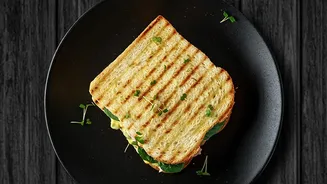
For griddled foods like paneer tikka, cheela, or kebabs, the enemy is steam. Once cooked, these items release heat and moisture, which, if trapped, will turn a perfectly crisp exterior into a soft, soggy mess. The biggest mistake is piling them on a flat plate or, worse, covering them. The solution is simple and used by professional kitchens: after cooking, place your griddled items on a wire cooling rack. This allows air to circulate all around the food, letting steam escape and preserving that coveted crispy texture. If you need to keep them warm, place the entire wire rack setup on a baking sheet and slide it into an oven set to a very low temperature, around 90-100°C. This will keep them hot without continuing to cook them or making them sweat.
Smart Prep and Strategic Timing
A successful snack spread is won in the prep stage. You don’t want to be stuck in the kitchen while your family or guests are enjoying the rain. For paneer tikka, the marinade can be prepared a day or two in advance, and the paneer and vegetables can be cubed and marinated for at least a few hours. For momos, the filling can be made ahead, and the wrappers can be prepared and kept under a damp cloth. When it’s time to eat, the final assembly and cooking process is much faster. Plan your cooking order strategically. Start with items that hold well, like the paneer for the tikka which just needs a final grilling. Steamed items should be cooked last, or in rolling batches, as they are best enjoyed immediately. Tikkis and other pan-fried items can often be partially cooked and then given a final sear on the griddle right before serving to ensure they are hot and crisp.
Serving With Style and Sense
How you serve is as important as how you cook. Instead of putting everything out at once, consider serving in waves. Start with the griddled items, hot off the tawa and arranged on a platter lined with something other than a paper towel (which can trap steam). A bed of shredded cabbage or a wire insert on a platter works well. Follow up with the steaming hot momos or dhokla, brought directly from the steamer to the table. This not only ensures everything is eaten at its peak but also creates a more dynamic and engaging eating experience. For chutneys and dips, place them in small bowls around the main platters. This approach makes the spread feel abundant and well-managed, turning a simple rainy-evening snack into a memorable culinary event.