




Choosing the Right Kiwi Variety
Your journey begins with selecting the correct plant. Most kiwifruit varieties are dioecious, meaning you need separate male and female plants for pollination and fruit production. The most common variety, 'Hayward', requires a male pollinator like 'Tomuri'.
For space-constrained terraces, this can be a challenge. The solution is a self-fertile variety. 'Issai' is an excellent choice for containers; it is self-pollinating and produces smaller, grape-sized, smooth-skinned fruit. While self-fertile types produce fruit on their own, their yield can often be improved by having a male plant nearby. In warmer zones, look for 'low-chill' varieties that don't require intensely cold winters to set fruit.
The Perfect Pot and Soil
Kiwifruit vines have vigorous root systems and require a large container to flourish. Start with a pot that is at least 18-24 inches (45-60 cm) in diameter and depth. Excellent drainage is non-negotiable, as kiwi plants are susceptible to root rot if their feet are constantly wet. Use a high-quality, well-draining potting mix. The ideal soil should be rich in organic matter, with a slightly acidic pH between 5.5 and 6.5. You can create your own mix by combining good quality garden soil or compost with sand or perlite to improve drainage. Before planting, enriching the soil with organic compost or well-rotted manure will give your vine a strong start.
A Strong Support System is Crucial
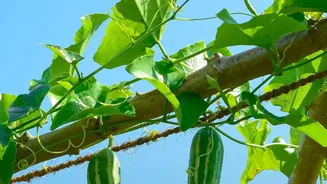
Do not underestimate the strength and weight of a mature kiwi vine, which can produce a significant amount of fruit. These are vigorous climbers that need a robust and sturdy support structure right from the beginning. For a terrace, a strong trellis, pergola, or a system of heavy-duty wires secured to a wall is essential. The structure should be at least 6 feet high to allow for good air circulation and sun exposure, which helps prevent disease and ripen the fruit. A T-bar trellis is a popular and effective design. As the vine grows, you will need to train its main stem upwards and then guide its lateral branches along the wires.
Sun, Water, and Feeding
Kiwifruit vines are sun-lovers. To produce a good crop, your plant will need a spot that receives at least 6-8 hours of direct sunlight daily. In India, a north-south orientation for your trellis can help maximize sun exposure. Keep the soil consistently moist, but never waterlogged. Water deeply once or twice a week, more frequently during hot, dry weather, especially when the plant is flowering and fruiting. Kiwi vines are heavy feeders. Apply a balanced organic fertiliser or a specific fruit fertiliser in the spring and again after the fruit has set. A healthy dose of farmyard manure annually also helps.
The Pollination Puzzle and Fruiting
If you've opted for male and female plants, they must be planted within about 50 feet of each other for pollination to occur, which is primarily done by bees. The flowering times of both plants must overlap. Since kiwi flowers don't produce nectar, they aren't a top choice for bees, so some gardeners resort to hand-pollination. This involves collecting pollen from the male flower and manually brushing it onto the centre of the female flower. If you have a self-fertile variety, this step isn't necessary. Be patient; kiwi vines do not fruit overnight. It typically takes three to five years for a new plant to mature enough to produce its first harvest.
Harvesting Your Homegrown Kiwi
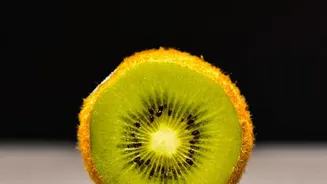
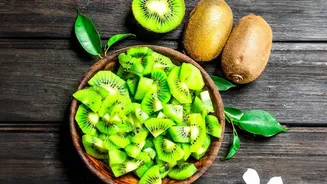
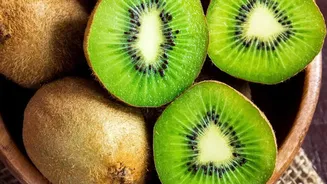
The reward for your patience comes in late autumn. Unlike many fruits, kiwis do not fully ripen on the vine. They are ready to be picked when the skin is still firm but the seeds inside have turned black. You can test one fruit by cutting it open. Once harvested, the fruits need to be ripened at room temperature. To speed up the process, you can place them in a paper bag with a banana or an apple, which releases ethylene gas that aids ripening. A mature vine can be highly productive for decades, offering a substantial yield each year.