






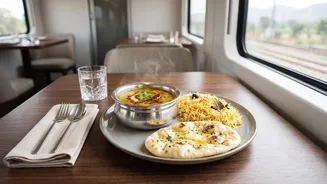

The Perennial Problem with Pantry Food
The list of grievances is familiar to many regular train travellers: cold food, questionable hygiene, stale ingredients, and sometimes, outright overcharging. For years, complaints have flooded social media and the official Rail Madad portal, detailing
everything from contaminated meals to vendors selling unapproved brands of water. These issues have persisted despite numerous drives and penalties in the past, leading to widespread passenger dissatisfaction. Officials have acknowledged that the decision to overhaul the system was a direct result of these repeated complaints from passengers who felt the quality of meals did not justify the cost or the risk.
A New Partnership for Quality Control
In a significant policy shift, the Indian Railway Catering and Tourism Corporation (IRCTC) has signed a Memorandum of Understanding (MoU) with the Quality Council of India (QCI), an independent body, to conduct surprise audits. This move brings in a third-party regulator to oversee a system that was previously monitored internally. The goal is to create a more transparent and rigorous inspection mechanism that holds catering contractors accountable. The QCI will deploy certified professionals to conduct these unannounced checks on both moving trains and at the base kitchens where the food is prepared before being loaded onto trains.
How the New Surprise Audits Will Work
The new inspection regime is built on technology to ensure transparency and prevent data tampering. QCI auditors will conduct intense, unannounced checks on a quarterly and half-yearly basis. Using a specialised mobile application, inspectors will record their findings with mandatory geo-tagged photos and time-stamps. These digital records are meant to provide irrefutable evidence of any violations. The audit reports must be submitted within 24 hours, allowing IRCTC and railway authorities to identify operational failures quickly and take immediate corrective action against vendors who fail to meet the standards set by the Food Safety and Standards Authority of India (FSSAI).
From Kitchen to Coach: A Comprehensive Check
The audits are designed to be thorough, covering the entire catering supply chain. Inspectors will evaluate everything from the storage of raw materials to the hygiene of the preparation areas and the final service to the passenger. Key parameters include checking for proper temperature controls for food storage, ensuring staff wear gloves and hairnets, verifying the medical fitness of employees, and confirming that only branded and approved ingredients are used. Previous initiatives, such as putting QR codes on meal packets that detail the kitchen and packaging date, will be reinforced by this new layer of independent oversight.
Will This Initiative Finally Deliver?
While passengers have heard promises of improvement before, several factors make this initiative different. The involvement of an independent, respected body like the QCI is a major change, moving away from self-regulation. The heavy reliance on technology—like geo-tagged evidence and rapid reporting—makes it harder for violations to be ignored or covered up. In the past three years, Indian Railways has already collected over ₹5 crore in fines from contractors and even terminated contracts for severe lapses. However, the ultimate success will depend on consistent enforcement and ensuring that the penalties for non-compliance are severe enough to deter future violations. Passenger vigilance, through platforms like Rail Madad, will continue to play a crucial role in flagging issues on the ground.