






More Than Just Fasting
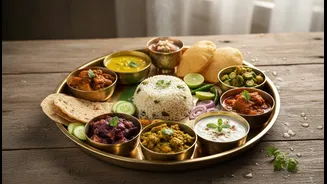
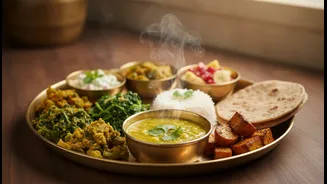
Shravan is a period of devotion dedicated to Lord Shiva, marked by fasting, particularly on Mondays (Somwar). But this fasting isn't about deprivation; it's a practice of eating sattvic foods—pure, light, and easy to digest. Traditionally, this means
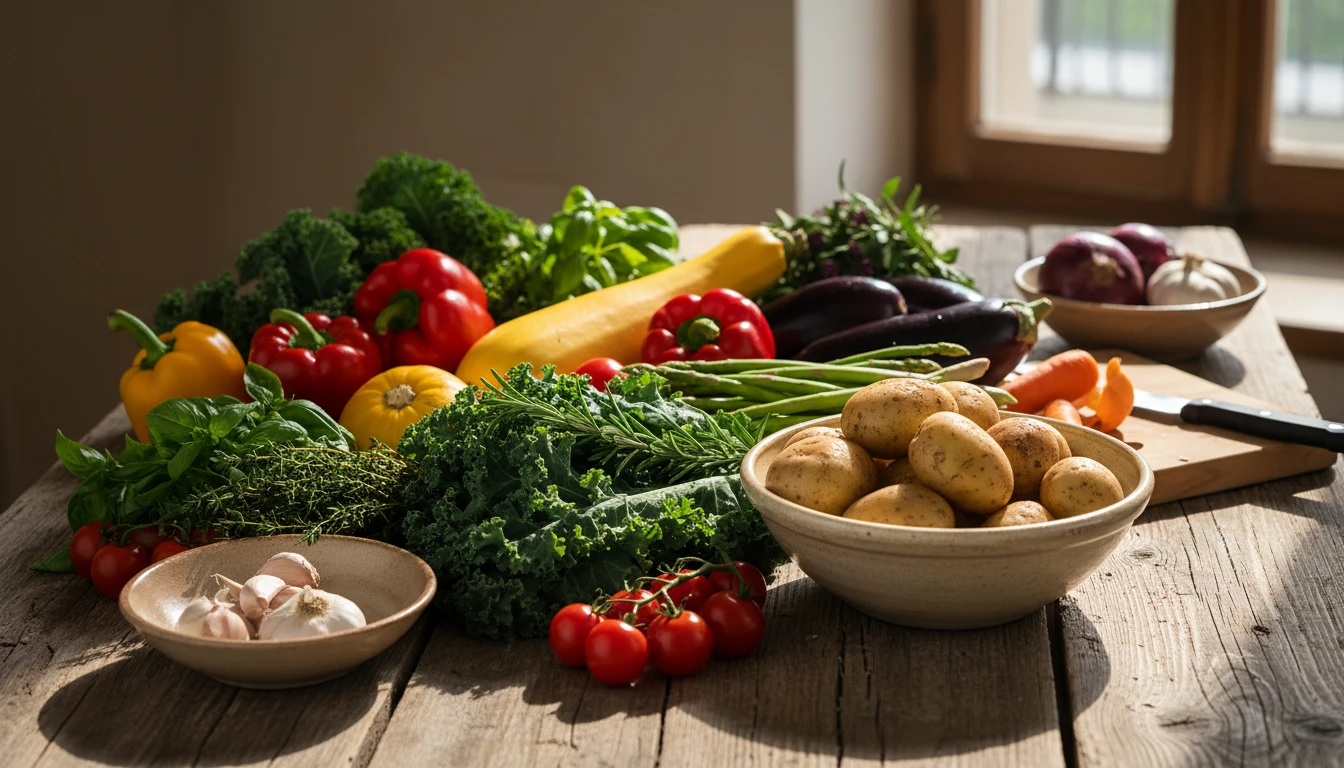
avoiding non-vegetarian food, onions, garlic, and regular table salt. This shift in diet is also scientifically sound. According to Ayurveda, our digestive system is weaker during the monsoon, and a lighter diet helps maintain good health. Home cooking becomes paramount during this time, ensuring that every meal is prepared with clean ingredients and a pure mind, transforming the kitchen from a place of chores into a sanctuary of wellness and tradition.
The Comfort of Sabudana Khichdi
No Shravan fast feels complete without the quintessential Sabudana Khichdi. These pearly white tapioca globules, when cooked correctly, create a dish that is both light and incredibly satisfying. The secret to a perfect, non-sticky khichdi lies in the soaking. Wash one cup of sabudana until the water runs clear, then soak it in just enough water to cover the pearls, for at least five hours or overnight. Once soaked, the pearls should be soft and easily mashable between your fingers. To prepare the khichdi, heat a tablespoon of ghee in a pan and splutter some cumin seeds. Add chopped green chillies and boiled, cubed potatoes, sautéing for a minute. Then, add the drained sabudana, coarsely crushed roasted peanuts, and sendha namak (rock salt). Mix gently and cook on a low flame for about 5 minutes, until the sabudana turns translucent. A final squeeze of lemon juice and a garnish of fresh coriander leaves brightens the flavour, making it a perfect meal to break your fast.
A Simple Side: Vrat Ke Jeera Aloo
Potatoes are a staple during fasting, and Vrat Ke Jeera Aloo is one of the easiest and most flavourful ways to enjoy them. This simple dish pairs wonderfully with kuttu ki puri (buckwheat flour bread) or can be enjoyed on its own. Begin by boiling a few potatoes until they are cooked but still firm. Once cooled, peel and chop them into cubes. Heat a little ghee in a pan and add a teaspoon of cumin seeds (jeera). When they sizzle, add chopped green chillies. Now, add the cubed potatoes and sauté on medium-high heat for a few minutes until they get slightly crispy and golden. Season with sendha namak and a pinch of black pepper powder. For a tangy twist, you can add a little amchur (dry mango powder) or a squeeze of lemon juice at the end. Garnish with chopped coriander, and this humble dish is ready in minutes, proving that simple ingredients can create profound flavours.
Sweet Endings: Makhana Kheer
For a touch of sweetness, Makhana Kheer is a perfect dessert. Made from puffed lotus seeds (fox nuts), this kheer is light, nutritious, and incredibly delicious. Start by roasting one cup of makhana in a teaspoon of ghee until they are crisp. You should be able to crush them easily with your fingers. Roughly crush about half of the roasted makhana to help thicken the kheer. In a heavy-bottomed pan, bring two cups of full-fat milk to a boil. Add the whole and crushed makhana, and let it simmer on low heat for about 10-15 minutes, stirring occasionally, until the milk thickens and the makhana softens. Add sugar or jaggery to taste, along with a pinch of saffron soaked in warm milk and some cardamom powder for fragrance. You can also add chopped nuts like almonds and pistachios for extra richness. This creamy dessert is a comforting and auspicious way to conclude a meal.