

Why Visit During the Monsoon?
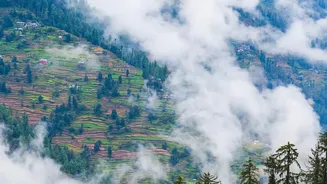
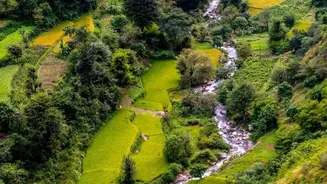
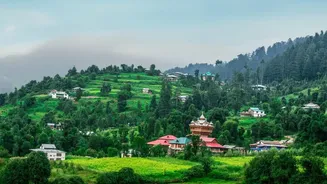
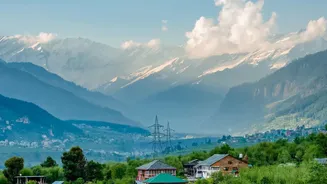
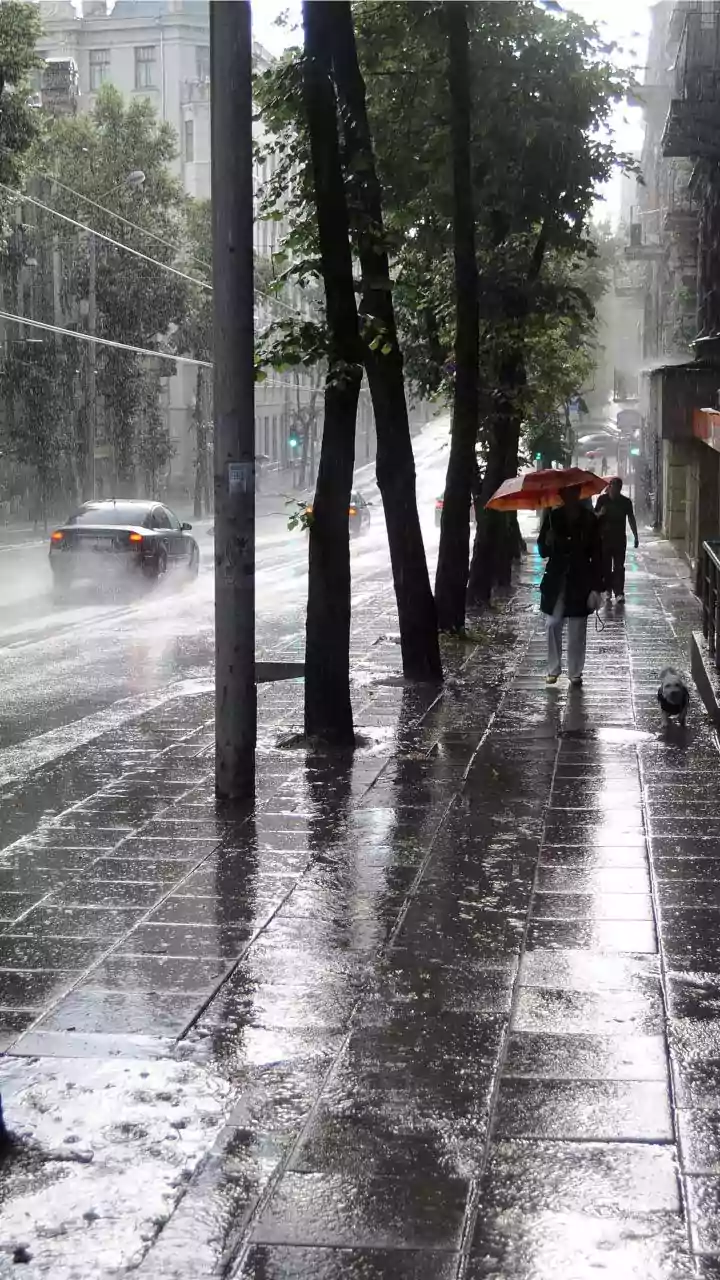
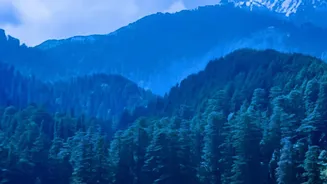
While many travellers shy away from the mountains during the rains, the monsoon transforms this part of Himachal into a magical landscape. From July to September, the valleys erupt in vibrant shades of green, waterfalls cascade with renewed vigour, and a cool
mist hangs in the air. It’s a time when the tourist rush thins out, offering a more peaceful and intimate connection with nature. Instead of bustling crowds, you’ll find quiet cafes, cosy homestays, and the soothing sound of rain on pine forests. This season is less about ticking off a list of sights and more about soaking in the atmosphere, making it ideal for those seeking a slow, refreshing break.
Tirthan Valley: The Gateway to a UNESCO Treasure
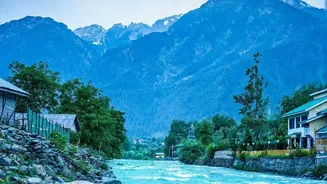
Named after the pristine Tirthan River that flows through it, this valley serves as the gateway to the Great Himalayan National Park (GHNP), a UNESCO World Heritage Site. This status has helped preserve its unique ecosystem and promote a culture of responsible eco-tourism. The valley isn't about luxury resorts; it’s about authentic experiences. The crystal-clear river is famous for trout fishing, and the surrounding forests are a haven for birdwatchers. Dotted with charming villages like Gushaini and Nagini, Tirthan offers numerous riverside homestays where you can experience warm Himachali hospitality firsthand. It's the perfect base for travellers who appreciate nature in its purest form.
Shoja: A Quiet Hamlet Above the Clouds
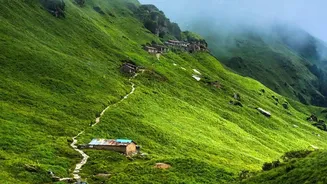
A short, winding drive up from Jibhi lies the tranquil hamlet of Shoja. At a higher altitude, it offers a distinctly quieter and more serene atmosphere than the rest of the valley. Shoja is for the traveller who seeks silence and panoramic views. On clear days, the vistas stretch across the Kullu valley, while misty days feel like living inside a cloud. The main draw here is its proximity to Jalori Pass, a high-altitude pass at over 10,000 feet that connects the Kullu and Shimla regions. Shoja’s charm lies in its simplicity—slow walks through dense deodar forests, reading a book by the window of a wooden cottage, and watching the weather change across the mountains.
Monsoon-Friendly Activities and Sights
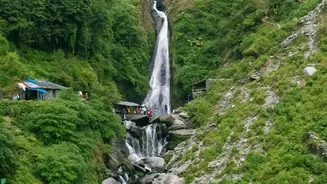
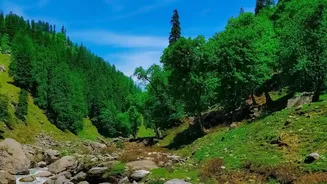
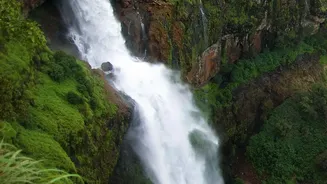
While heavy, multi-day treks into the GHNP core zone are best avoided during peak monsoon, there’s still plenty to do. Short, rewarding hikes are the main attraction. You can trek to the beautiful Chhoie Waterfall near Gushaini or the easily accessible Jibhi Waterfall. A drive to Jalori Pass is an adventure in itself, with stunning forest scenery along the way. From the pass, a popular trail leads to Serolsar Lake, a sacred high-altitude lake surrounded by forest. The path can be slippery and may have leeches during the rains, so good waterproof shoes and caution are essential. Otherwise, simply walking along the river, exploring local villages, and enjoying fresh, home-cooked food are central to the monsoon experience here.
Finding Your Perfect Stay: Homestays and Eco-lodges
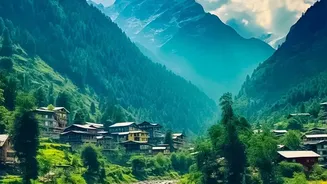
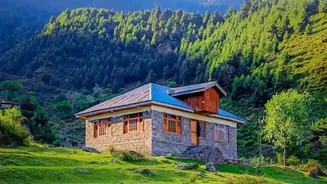
The soul of Shoja and Tirthan Valley lies in their accommodation. Forget large hotels; the region is celebrated for its warm, family-run homestays, rustic guesthouses, and charming wooden cottages. Staying in a local homestay offers more than just a room; it’s an opportunity to interact with the community, savour traditional Himachali cuisine, and learn about the local way of life. Many of these stays are situated by the river or nestled in apple orchards, offering beautiful views right from your window. Whether you’re looking for a budget-friendly room or a unique treehouse experience, booking in advance is a good idea, especially for longer stays or workations.
Travel Tips for a Safe and Smooth Trip
Travelling to the Himalayas in monsoon requires some preparation. The main road to the valley is via Aut, on the Delhi-Manali highway. From Aut, a scenic road leads to Banjar, Jibhi, and Shoja. Road conditions can be unpredictable, with risks of landslides during heavy downpours. It’s crucial to check weather forecasts and local road conditions before you travel. Pack waterproof jackets, sturdy non-slip shoes, and an extra layer of warm clothing, as evenings can be chilly. Carry a basic first-aid kit and any necessary medications. Mobile connectivity can be patchy, so inform your family of your itinerary. Finally, embrace the unpredictability; sometimes the best part of a monsoon trip is being forced to slow down and simply enjoy the view.