







The Foundation: Waterproof Bags
Your first line of defense is a high-quality waterproof bag. Don't rely on a standard backpack, as even 'water-resistant' models can fail in a torrential downpour. Invest in a proper 'dry bag' with a roll-top closure, which creates a watertight seal.
These are available in various sizes, from small pouches for phones to large backpacks for all your gear. For daily use, a crossbody sling bag with a waterproof design and secure compartments can be invaluable for keeping essentials like your phone, power bank, and wallet protected during city commutes or day trips.
Device-Specific Protection
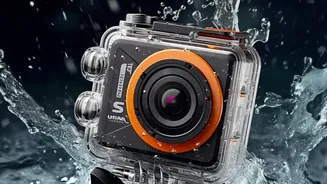
For your most-used item, your smartphone, a dedicated waterproof pouch is non-negotiable. Many come with lanyards, allowing you to wear them around your neck for easy access and security. These transparent pouches allow you to use your phone's touchscreen even while it's sealed inside. For photographers, while many high-end cameras have some weather sealing, this doesn't make them waterproof. A dedicated camera rain cover, which is essentially a fitted plastic sleeve with access to controls, offers robust protection. In a pinch, a sturdy plastic bag and a rubber band can serve as a makeshift cover.
Combat the Humidity Menace
The danger isn't just direct rain; it's also the pervasive humidity. Moisture in the air can condense inside your electronics, leading to corrosion and short circuits over time. Always keep a handful of silica gel packets in your camera bag, laptop case, and electronics pouches. These desiccants absorb ambient moisture, helping to keep the internal environment of your bag dry. When moving from a cold, air-conditioned room to the warm, humid outdoors, give your camera gear time to acclimatize to prevent the lens and internal components from fogging up.
Smarter Charging Habits
Never charge a device that is wet or even damp. Plugging in a wet electronic item is one of the fastest ways to cause a short circuit and permanent damage. Always wipe down your devices and ensure both the port and the charging cable are completely dry before connecting them. During the monsoon, power fluctuations can be common, so consider using a surge protector. A waterproof power bank can also be a lifesaver, allowing you to charge devices on the go without depending on potentially damp wall outlets.
DIY and Budget-Friendly Hacks
You don't always need expensive, specialized gear. Simple household items can offer excellent protection. High-quality zip-lock bags are a traveler's best friend. Use them to double-bag your phone, passport, and chargers inside your main backpack for an extra layer of security. For larger items like a laptop, a clean, dry garbage bag can be used to line your backpack before you place your electronics inside. These simple, low-cost solutions are surprisingly effective against unexpected showers.
Emergency Action Plan
If a device does get wet, act fast. The number one rule is to turn it off immediately and, if possible, remove the battery. Do not try to turn it on to see if it still works, as this can cause a fatal short circuit. Gently wipe away any visible moisture with a cloth. Contrary to popular belief, putting your device in a bag of uncooked rice is not an effective solution; it doesn't absorb internal moisture well and can introduce dust and starch into the ports. Instead, place the device in an airtight container with several silica gel packets for at least 48-72 hours to draw out the moisture.