

What Exactly Is an Olla?
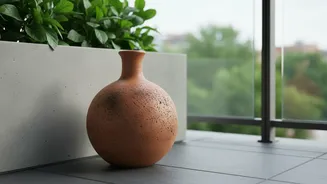
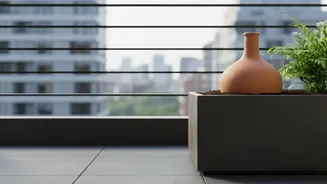
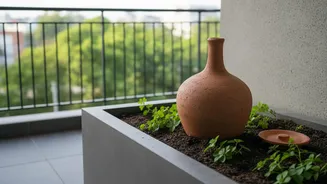
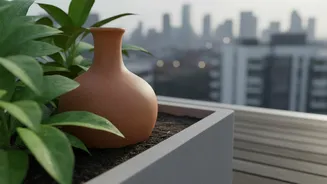
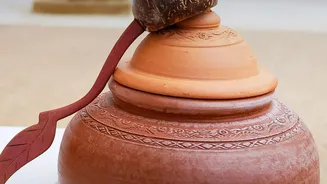
Pronounced ‘oy-ya,’ an olla is a simple, unglazed terracotta jar that has been used for irrigation for thousands of years. The concept is brilliantly straightforward: you bury the pot in the soil up to its neck, leaving the opening accessible. You then
fill the olla with water. Because the clay is porous, water slowly seeps through the vessel's walls directly into the surrounding soil, providing a consistent source of moisture right where plants need it most—at the roots. This ancient method is celebrated for its efficiency and simplicity, making it a perfect match for the modern challenges of container gardening.
The Science of Slow Seepage
The magic of the olla lies in a natural process called soil moisture tension. The tiny pores in the unglazed clay allow water to move from the pot into the soil, but only when the soil is dry enough to 'pull' the water out. When the soil is moist, for instance after a rain shower, the water stays inside the olla. This creates a self-regulating system. Your plants' roots instinctively grow toward this reliable water source, developing a dense and healthy root system that is better able to absorb nutrients. This prevents the stressful cycles of overwatering and underwatering that can plague container plants.
Why Ollas Shine During Humid Spells
It might seem counterintuitive, but high humidity doesn't always mean your plants are well-hydrated. Hot, humid weather can be incredibly stressful for plants in containers, which heat up and dry out much faster than garden beds. Gardeners often try to compensate by surface watering, but this can lead to waterlogged soil, promoting root rot, or much of the water can simply evaporate before it's used. Ollas solve this problem by delivering water underground, directly to the roots, minimizing evaporation and keeping the soil surface drier, which can also discourage weeds and some pests. This method is particularly effective for preventing issues like blossom end rot in tomatoes or peppers, which is often caused by inconsistent moisture.
A Balcony-Specific Olla Strategy
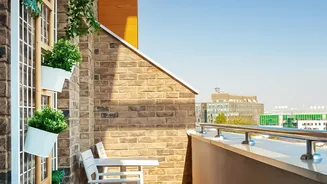
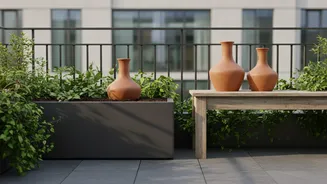
Using ollas on a balcony requires a few special considerations. The main constraints are space and weight. Since an olla takes up room within the container, they are best used in larger pots, generally 20 litres or more. For a standard pot under 24 inches in diameter, a single, centrally-placed olla is usually sufficient. Always check the structural load capacity of your balcony, as saturated soil and a full olla can be surprisingly heavy. Many companies now offer smaller ollas or terracotta spikes designed specifically for containers, and you can even make your own by sealing the drainage hole of a small terracotta pot and covering it with a saucer.
Best Plants for Olla Irrigation
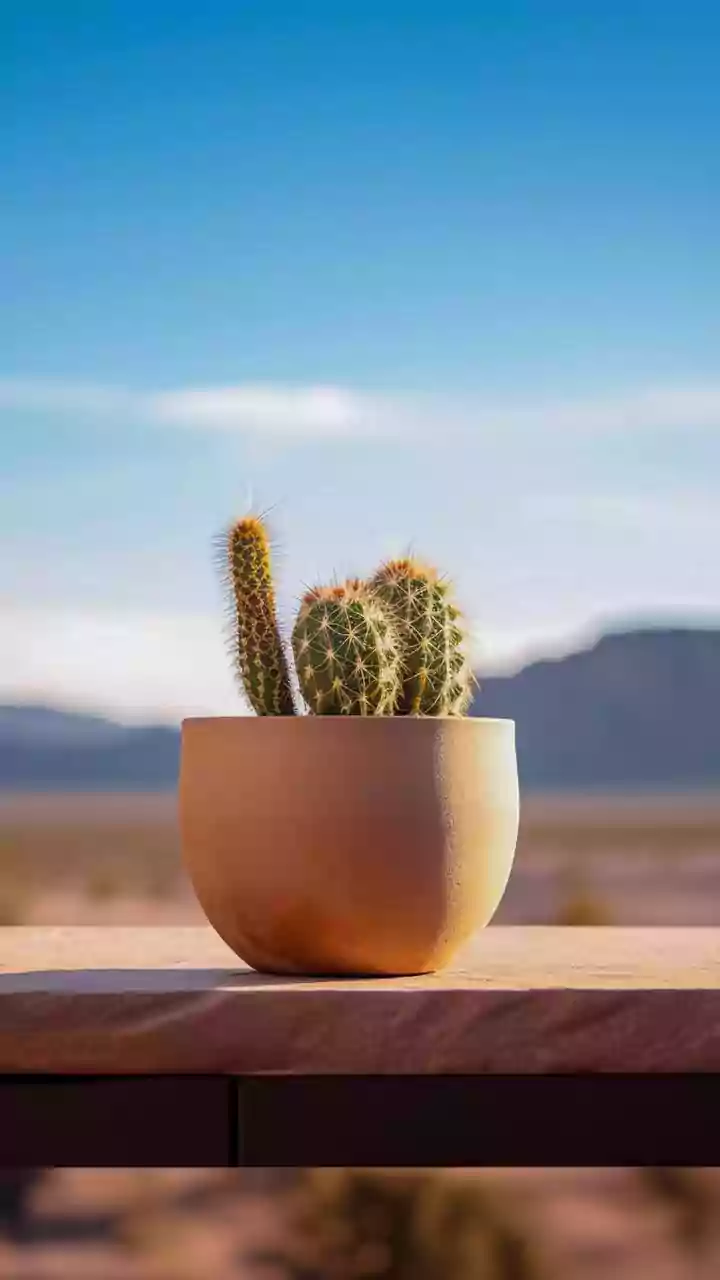
Ollas are ideal for plants with fibrous root systems that require consistent moisture. Thirsty vegetables like tomatoes, peppers, squash, and cucumbers thrive with this method. Many culinary herbs, especially basil which dislikes both overly wet and dry conditions, also respond very well. Annual flowers like zinnias and marigolds can also benefit. However, ollas may not be the best choice for plants that need their soil to dry out completely between waterings, such as succulents, or for plants with large, woody roots that could potentially crack the clay pot over time.