
From Perfect Plates to Authentic Pots
For years, food on social media meant perfection. It was about professionally lit, impeccably styled plates of food that looked almost too good to eat. But a powerful shift is underway, driven by the rapid-fire, unfiltered nature of Reels. The new stars
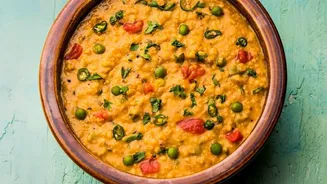
of our feeds are not the fusion creations or oversized novelty dishes designed for shock value, but the humble, authentic meals that tell a story. Viewers are trading the pursuit of the 'perfect shot' for the sizzle of a tadka in a well-used pan, the rhythmic kneading of dough in a home kitchen, and the steam rising from a bowl of a grandmother’s signature curry. This trend signals a collective craving for realism, a move away from curated perfection towards something more genuine and attainable.
The Algorithm of Nostalgia
So, why is this content so compelling? The answer lies in the powerful emotion these short videos evoke: nostalgia. In under a minute, a Reel can transport you to a childhood memory, a family gathering, or the taste of home. This isn't just about watching someone cook; it's about connection. These videos of regional comfort foods—dishes often tied to specific communities and family traditions—serve as a digital lifeline to our roots. For a generation of Indians living in fast-paced urban environments, often far from home, a glimpse of a familiar dish being prepared with love is a potent dose of comfort. It’s a reminder of where we come from, delivered directly to our screens.
Discovering India, One Dish at a Time
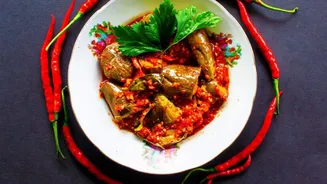
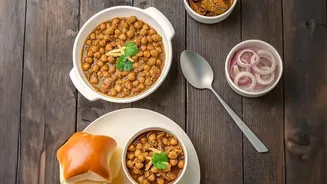
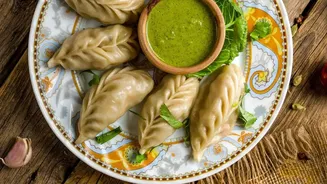
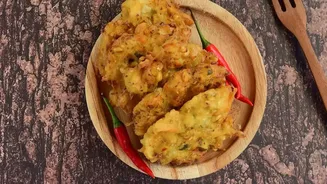
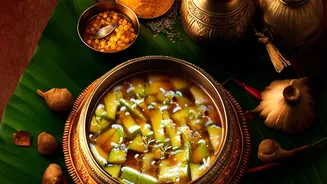
For decades, the popular perception of Indian food was limited to a handful of North Indian and Mughlai staples. Reels are changing that, acting as a powerful educational tool. Suddenly, dishes that were once hyperlocal are finding a national audience. Feeds are filled with the sight of Uttarakhand’s simple yet flavourful Aloo Ke Gutke, Varanasi’s tangy Tamatar ki Chaat, or Maharashtra’s wholesome Pithla-Bhakri. Users are discovering the sheer diversity of the country's culinary landscape, from the subtle flavours of Tamil kuzhambu to the unique ingredients of Assamese cuisine. For many, especially younger audiences, Instagram has become the new food search engine, introducing them to a more nuanced and accurate map of Indian food culture.
Creators as Cultural Archivists
The creators at the heart of this movement are more than just influencers; they are becoming our generation's culinary archivists. Home cooks, who may have never considered themselves content creators, are now sharing generations-old family recipes, effectively documenting and preserving a part of their heritage that might otherwise have been lost. Their kitchens have become studios, and their smartphones, tools for cultural preservation. Interestingly, this trend isn't limited to Indian creators. A number of foreign food bloggers have gained massive followings by exploring the depths of Indian regional cooking, often introducing dishes that are new even to many Indians and encouraging them to explore their own culinary backyards. These creators, whether from a small town in India or a kitchen in London, are building a massive, accessible, and visual archive of our food traditions.