


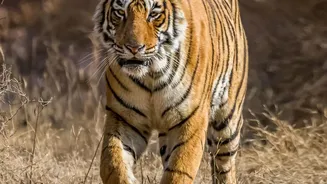
The Railway Advantage for Wildlife Trips
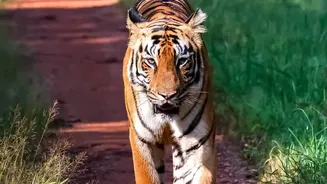
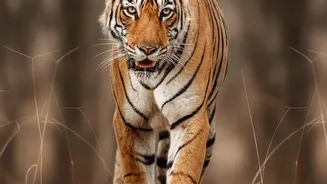
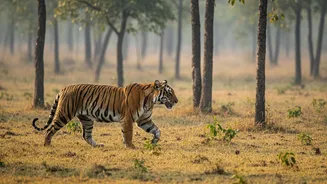
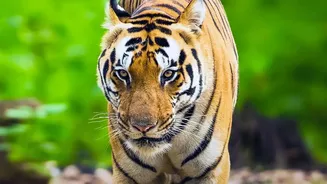
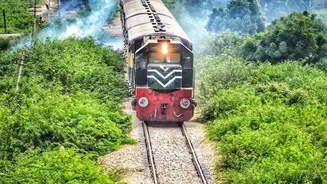
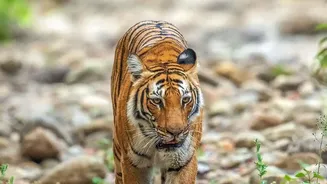
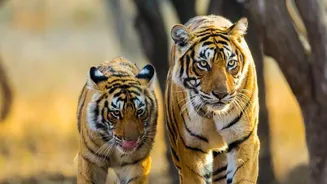
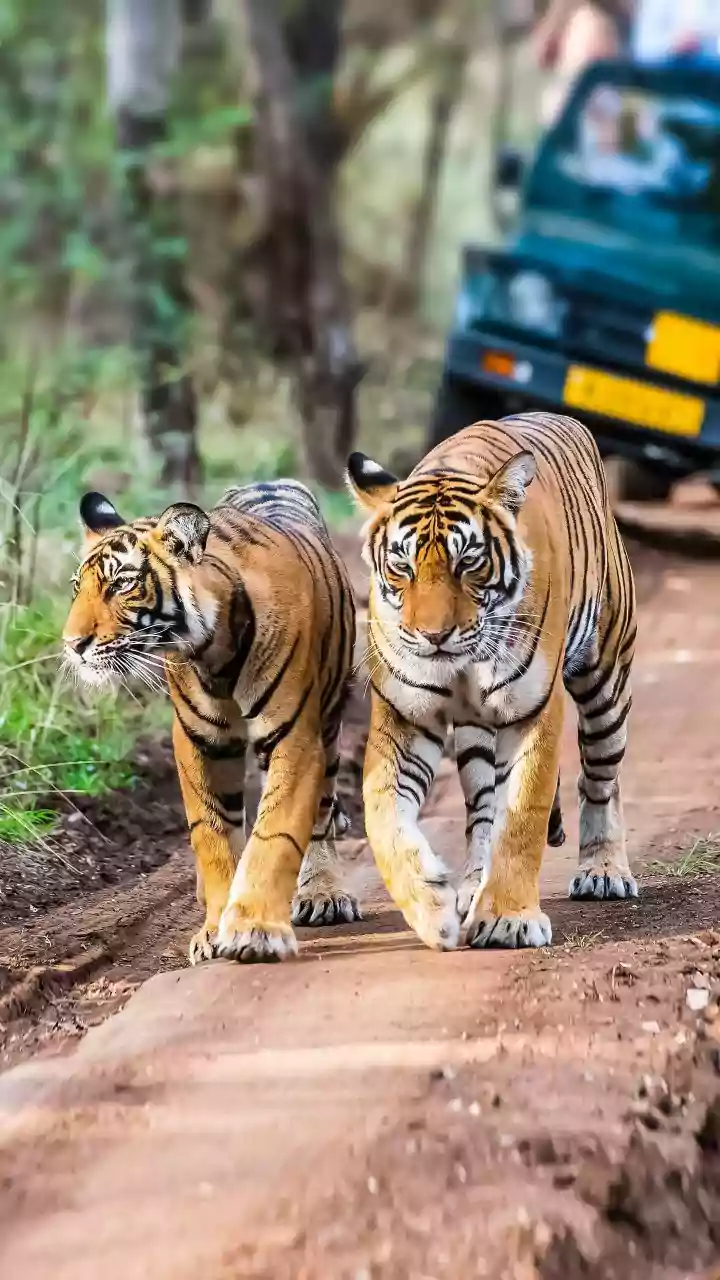
Central India, often called the 'Tiger State', is home to a cluster of premier national parks, including Kanha, Bandhavgarh, and Pench. While these parks feel remote and wild, they are surprisingly well-connected by India's vast rail network. For a backpacker,
choosing the train isn't just a budget decision; it's an experience. It offers a chance to see the landscape change, interact with fellow travellers, and travel between major park hubs without the expense of private taxis. Key railway junctions like Jabalpur and Nagpur serve as excellent gateways to this wildlife circuit, allowing for a flexible, multi-stop journey that aligns perfectly with a backpacker's spirit of exploration.
Decoding Your Rail Pass Options
While Indian Railways offers various ways to book tickets, the most flexible option for foreign nationals and NRIs is the Indrail Pass. This pass allows for unlimited travel across the network for a set duration, which can range from a few days to several weeks. For a multi-park itinerary, a 7-day or 15-day pass in Sleeper Class or AC 3-Tier offers a fantastic balance of cost and comfort. The key benefit is flexibility; you can hop between base towns like Jabalpur, Katni, and Nagpur without buying new tickets for each leg. This eliminates the hassle of booking multiple individual journeys, which often sell out in advance. For Indian citizens, while a single pass isn't available, booking tickets well in advance (up to 120 days) through the official IRCTC portal is the most cost-effective strategy.
Crafting Your Central India Tiger Circuit
The heart of this rail adventure is the 'tiger circuit' of Madhya Pradesh. The three cornerstone parks are Kanha, Bandhavgarh, and Pench, each with a unique character. To reach them, you'll aim for specific railway stations. For Bandhavgarh National Park, the nearest station is Umaria (32 km), with Katni (97 km) and Jabalpur (170 km) being other major hubs. For Kanha National Park, the primary railheads are Jabalpur (165 km) and Gondia (145 km). Pench National Park, which straddles Madhya Pradesh and Maharashtra, is best accessed from Nagpur (about 92 km) or Seoni (30km). A logical route starts at Jabalpur, which provides access to both Bandhavgarh and Kanha, and then proceeds south towards Nagpur for Pench.
Sample Itinerary: Jabalpur to Nagpur
A classic backpacker route could look like this: Arrive in Jabalpur by an overnight train. Spend a few days exploring Bandhavgarh National Park by taking a connecting train or bus to Umaria. From Umaria, local taxis and shared jeeps can take you to the park gate at Tala. After your safaris, return to Jabalpur or travel onward from Katni towards Gondia to reach Kanha National Park's Khatia gate. From there, you can explore the forests that inspired 'The Jungle Book'. Finally, take a train from Gondia or Jabalpur down to Nagpur, your base for visiting Pench National Park. This city is a major transport hub, making your onward journey to other parts of India seamless.
From Station to Safari: The Last Mile
Once you arrive at the station, you'll need to cover the last leg to the park gates. This is where local transport comes into play. From stations like Umaria, Jabalpur, and Nagpur, you'll find a combination of state buses, shared jeeps, and private taxis. For the most budget-friendly option, look for buses heading towards the towns nearest the park entrances, such as Tala for Bandhavgarh or Khatia for Kanha. It's wise to arrive during the day to make this transfer easier. Many budget guesthouses and lodges are located near the park gates and can sometimes help arrange a pickup if you book in advance. Don't be afraid to ask locals at the station for the best and cheapest way to get to your destination; it's often the most reliable source of information.
Essential Planning and Booking Tips
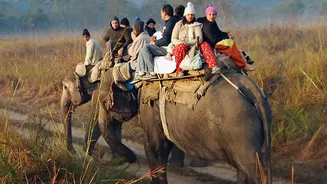
A successful budget wildlife trip requires planning. Safari permits for all major parks must be booked online, well in advance—often 30 to 120 days prior—via the official Madhya Pradesh forest department website. Permits sell out extremely quickly, especially for popular zones and weekend dates. The best time to visit is from October to June; parks are closed during the monsoon season (July to September). The peak summer months of April and May can be hot but offer some of the best chances for tiger sightings as animals congregate near water sources. Pack light, but include neutral-coloured clothing, a hat, sunscreen, and a reusable water bottle. Remember that you are a guest in the animals' home, so maintain silence and respect all park rules during your safaris.