






The Unseen Burden on Educators
Behind every engaging classroom lesson is hours of unseen preparation. Teachers in India often work well beyond their contracted hours, with some studies indicating they spend a significant portion of their time on non-teaching duties. This administrative
overload, including extensive paperwork, compliance reports, and lesson preparation, is a leading cause of stress and burnout. A 2023 UNESCO survey revealed that over 60% of teachers in India cited non-teaching duties as their biggest stressor. This constant pressure to manage administrative work leaves less time and energy for what teachers are most passionate about: interacting with and mentoring their students. The result is a system where fatigued educators struggle to provide the personalized attention children need.
Enter the Digital Assistant
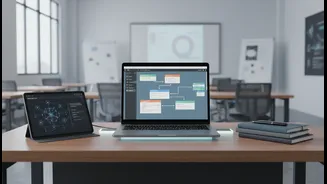
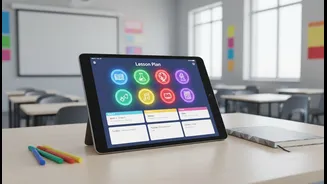
AI-powered lesson planning tools are designed to tackle this administrative drain head-on. Functioning like a digital assistant, these platforms use advanced algorithms to generate structured lesson plans. A teacher can input key details like the subject, grade level, specific topic, and learning objectives. In minutes, the AI can produce a comprehensive outline complete with activities, resource suggestions like videos or articles, and even assessment materials like quizzes and worksheets. These tools can automatically align lessons with curriculum standards, a task that would otherwise require hours of manual research. This automation of repetitive tasks is the core of AI's value proposition, freeing teachers from the mundane aspects of preparation.
More Time for What Matters
The primary promise of AI lesson planners is time recovery. Research indicates that teachers using these tools can reclaim several hours per week. This saved time is not about doing less work; it's about reallocating effort toward high-impact activities. Instead of drafting worksheets, educators can spend more time providing one-on-one feedback to a struggling student, designing more creative and interactive classroom experiences, or addressing specific learning gaps within the class. The ability to differentiate instruction becomes more manageable, as AI can help create varied materials for students with different learning styles and paces. This shift allows teachers to focus on the human elements of teaching—mentorship, fostering critical thinking, and building supportive relationships—that technology cannot replace.
A Tool, Not a Replacement
Despite fears, the goal of these AI tools is not to replace educators but to augment their capabilities. Teachers remain the essential decision-makers in the process. The AI-generated plan is best viewed as a first draft or a source of creative ideas. It is the teacher's professional expertise and understanding of their specific students' needs that refines this draft into a truly effective lesson. They must review the output for accuracy, contextual relevance, and pedagogical soundness. This collaborative model, where the teacher guides the technology, ensures that the nuances of the classroom and the crucial human connection are preserved. The consensus among educators is that AI should handle the paperwork, allowing humans to focus on the art of teaching.
Navigating the New Frontier
The integration of AI in education is not without challenges. One significant concern is the potential for algorithmic bias, where the data used to train AI reflects existing societal inequities, leading to skewed or unfair content. There are also valid concerns around data privacy and the security of sensitive student information. Furthermore, there is a risk of over-reliance on technology, which could diminish teacher-student interaction if not implemented thoughtfully. Effective and equitable adoption requires robust training for educators, ensuring they have the digital literacy to use these tools critically and effectively. Without proper support and ethical guidelines, the technology could widen existing gaps rather than closing them.