

The Balcony Gardener's Dilemma
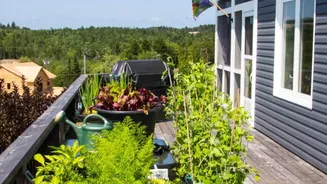
Balcony gardening presents a unique set of challenges compared to planting in the ground. Plants in containers have a limited amount of soil, which can dry out incredibly fast, especially when exposed to direct sun and wind. This makes them highly susceptible
to underwatering. Conversely, fear of them drying out can lead to overwatering, where excess water drowns the roots, leading to root rot and fungal diseases. It’s a delicate balance that even experienced gardeners can find tricky to maintain. The classic 'finger dip' test isn't always reliable, and busy schedules mean watering can become inconsistent, leading to stressed and unhealthy plants.
Beyond Guesswork: Enter the IoT Probe
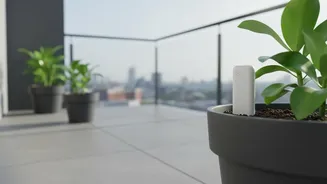
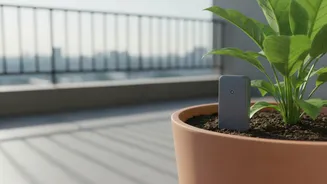
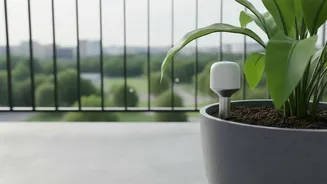
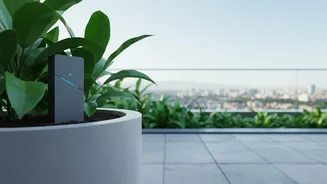
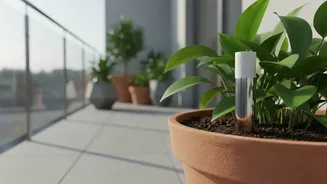
This is where the Internet of Things (IoT) offers a simple yet powerful solution. An IoT soil moisture probe is a smart device you place in the soil of your pots. Unlike a basic meter that just shows a reading, an IoT probe connects to your home's Wi-Fi. It continuously measures the moisture level and sometimes other vital metrics like soil temperature. The 'smart' part is that it sends this real-time data directly to an app on your smartphone, transforming plant care from a game of chance into a data-driven science.
How Smart Sensors Save Your Plants
The magic of an IoT probe lies in its ability to provide precise, actionable information. The sensor uses either resistive or capacitive technology to measure the water content in the soil. You can set customised thresholds within the companion app for each specific plant. When the soil moisture drops below your pre-set 'needs water' level, the app sends a notification directly to your phone. This eliminates both major risks: it prevents the soil from getting too dry and stressing the plant, and it stops you from watering when the soil is already sufficiently moist, which is the primary cause of deadly root rot. This timely information helps you water only when necessary.
The Right Data at the Right Time
A key advantage of these smart systems is the ability to monitor your plants from anywhere. If you're at work or away on a short trip, you can still check in on your garden's status. Many apps also provide historical data, showing you graphs of moisture and temperature trends over days or weeks. This helps you understand your plants' specific needs better. For example, you might notice that a pot in a sunny corner dries out twice as fast as one in the shade. This level of insight allows for tailored care that a rigid, schedule-based watering routine simply can't match.
More Than Just Survival
While the primary benefit is improved survival rates, the advantages don't stop there. By ensuring plants are never stressed by drought or drowning in excess water, they can dedicate their energy to growing stronger and healthier. This often results in lusher foliage, more vibrant flowers, and better yields from edible plants like herbs and tomatoes. Furthermore, by watering only when needed, you conserve a significant amount of water — a benefit for both the environment and your utility bill. These sensors help you become a more efficient and effective gardener, reducing waste and boosting your garden's overall productivity.
Getting Started with Smart Watering
Choosing your first IoT soil probe doesn't have to be complicated. For home balcony use, look for capacitive sensors, as they are generally more durable than resistive ones. Key features to consider include the sensor's battery life, the user-friendliness of its mobile app, and its weather resistance if your balcony is exposed to rain. You don't need a complex, multi-sensor system to start. A single, well-placed probe in a tricky pot can provide valuable lessons that you can apply to your entire garden. The goal is to use technology to gain a better understanding of your plants' environment and needs.