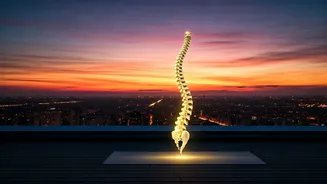









The Magic of the Golden Hour
There's a reason why photographers cherish the 'golden hour' just before sunset. The soft, warm light has a naturally calming effect, and this principle is at the heart of sunset yoga. Practising as the day transitions to night helps align the body's
internal clock, or circadian rhythm. The gentle dip in natural light signals the brain to wind down, making it an ideal time for mindfulness and relaxation. Combining this natural cue with the deliberate, slow movements of yoga creates a powerful synergy. Instead of fighting the urge to relax, your body is primed for it, allowing for a deeper, more restorative practice that feels less like a workout and more like a gentle return to yourself.
What is Spinal Decompression Yoga?
The term 'spinal decompression' might sound clinical, but in a yoga context, it’s a gentle and accessible concept. It’s not about invasive medical procedures but about using specific postures (asanas) and breathwork (pranayama) to create space between the vertebrae. Our spines become compressed throughout the day from sitting, standing, and even stress. This compression can lead to stiffness, discomfort, and poor posture. Mindful spinal decompression yoga focuses on lengthening the spine, releasing tension in the surrounding muscles, and encouraging the flow of fluids and nutrients to the spinal discs. It's a proactive way to counteract the daily grind on your back, using your own body weight and controlled movement to create a sense of lightness and relief.
Key Poses for a Healthier Spine
A typical sunset session will guide you through a sequence of poses designed for gentle lengthening. You can expect to see movements like Cat-Cow (Marjaryasana-Bitilasana), which mobilises the spine through flexion and extension in rhythm with the breath. Downward-Facing Dog (Adho Mukha Svanasana) is another staple, creating a long line of energy from the hands to the tailbone, helping to decompress the entire length of the spine. Gentle twists, such as a Supine Spinal Twist, are used to release tension in the muscles along the spine and improve mobility. Child's Pose (Balasana) with arms stretched forward provides a passive, restorative stretch. The focus is never on forcing a position but on mindful movement and listening to your body's signals.
The Mind-Body Connection
The benefits of these events extend far beyond the physical. The spine houses the central nervous system, the body's primary communication highway. By focusing on the spine, you are also working to calm the nervous system. The combination of slow, deliberate movement, deep breathing, and the tranquil sunset environment helps shift the body from a 'fight-or-flight' (sympathetic) state to a 'rest-and-digest' (parasympathetic) state. This mental shift is profound. Participants often report leaving a session not only with a less tense back but also with a clearer, calmer mind. The practice becomes a moving meditation, helping to release mental clutter just as it releases physical tension.
Is This Practice Right for You?
Sunset spinal decompression yoga is particularly beneficial for anyone who spends long hours at a desk, experiences general stiffness, or simply wants a gentle, restorative practice to counter daily stress. The emphasis on slow, controlled movements makes it accessible to most fitness levels, including beginners. However, it's crucial to listen to your body. While the practice is designed to alleviate discomfort, it is not a substitute for medical treatment. If you have a pre-existing spinal condition, a history of back injury, or are experiencing acute pain, it is essential to consult with a doctor or a qualified physiotherapist before attending such an event. Always inform your yoga instructor about any injuries or concerns before the class begins.