





What Exactly Is Sugarcane Bagasse?
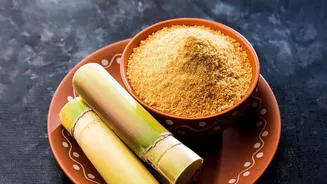
Sugarcane bagasse is the dry, pulpy fiber that remains after sugarcane stalks are crushed to extract their juice. For years, this byproduct was either discarded or burned as a low-grade fuel in sugar mills. However, this agricultural residue is now recognised
as a valuable raw material. Composed mainly of cellulose, hemicellulose, and lignin, bagasse fibres are strong and versatile. As a byproduct of India's massive sugar production—the second largest in the world—there is an abundant and consistent supply of this renewable resource, with the country generating between 100 and 135 million tonnes annually.
From Farm Waste to Food Container
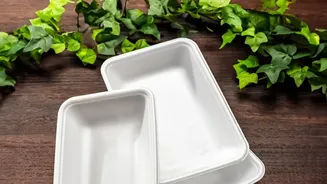
The transformation from fibrous waste to a finished food container is a straightforward process. First, the raw bagasse is collected from sugar mills and cleaned to remove impurities. Then, it's mixed with water to create a pulp slurry. This pulp is then poured into molds and subjected to high heat and pressure, which shapes the container and removes moisture. The resulting product is a sturdy, lightweight container that can be formed into various shapes like bowls, plates, and clamshell boxes. The process uses significantly less energy than producing traditional plastic packaging.
The Environmental Edge Over Plastic
The primary appeal of bagasse containers is their environmental credentials. Unlike plastic packaging, which can take hundreds of years to break down and pollutes soil and water, bagasse is fully biodegradable and compostable. Under the right composting conditions, these containers can decompose in as little as 60 to 90 days, returning to the earth without leaving behind toxic residues. This significantly reduces landfill waste. Furthermore, using a waste byproduct from an existing agricultural process lowers the carbon footprint associated with manufacturing, as it avoids the fossil fuels needed for plastic production and reduces dependency on wood pulp from forests.
Why Food Outlets Are Making the Switch
For restaurants and food delivery services, switching to bagasse is not just an environmental choice but a practical business decision. These containers are surprisingly robust, offering excellent resistance to heat, oil, and grease, which prevents them from getting soggy. They are safe for use in both microwaves and freezers, a key convenience for food service. As Indian consumers become more environmentally conscious, offering sustainable packaging enhances a brand's image and appeals to a growing market segment. Furthermore, with stricter regulations on single-use plastics, bagasse provides a compliant and reliable alternative.
Are There Any Downsides?
Despite its many advantages, bagasse packaging is not without its challenges. The production cost can sometimes be higher than that of conventional plastics, although this gap is narrowing. While durable, some uncoated containers can lose structural integrity if they hold very hot liquids for extended periods, typically over two hours. There can also be variations in material quality and some consumers may be unfamiliar with the product. However, for most standard food service applications, these limitations are minor and can be managed by selecting the right product grade for the specific need.