




A Crisis Decades in the Making
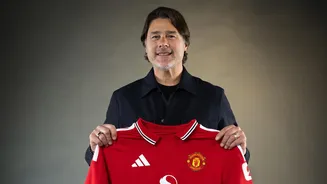
Let's be clear: Manchester United's position in the relegation zone is no fluke. After just one win in their first 10 league matches, the club dismissed manager Michael Carrick and turned to Pochettino. The team has been in freefall, shipping goals and showing
a complete lack of tactical identity. Recent results paint a grim picture: a 3-0 home defeat to Bournemouth followed by a 2-0 loss at Chelsea, before a chaotic 4-4 draw with Aston Villa. This is not just a run of bad form; it is the culmination of years of questionable recruitment, managerial turnover, and a fractured club culture. The squad appears drained of confidence, tactically adrift, and unable to perform under the immense pressure of the shirt. To many fans, the problems go far beyond the dugout, with criticism aimed at the ownership and executive leadership for a lack of clear footballing strategy.
The Case for Pochettino
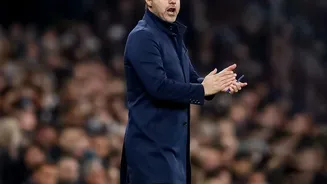
So, why Pochettino? The Argentine's track record suggests he is tailor-made for this type of crisis. At both Southampton and Tottenham, he inherited clubs and transformed them into high-energy, tactically sophisticated units that consistently punched above their weight. His philosophy is built on a foundation of intense pressing, building play from the back, and, crucially, developing young players. He is known for fostering an incredible team spirit and giving a club a clear identity—precisely what United lacks. He turned Spurs into title contenders and Champions League finalists without a massive net spend, proving he can improve players on the training ground. His ability to organise a disorganised team and instil a demanding, aggressive style of play is exactly what is needed to drag United out of their current malaise. CEO Omar Berrada has backed him to 'put his arms around the players' and help them perform.
A History of Near Misses
However, there are valid reasons for scepticism. The biggest mark against Pochettino's name has always been a lack of major trophies. While he won silverware at Paris Saint-Germain, he struggled to manage a dressing room full of global superstars and their egos, a challenge he would certainly face at Old Trafford. His one-season spell at Chelsea also ended without tangible success, with reports of tension over the club's direction. Critics will point out that for all the beautiful football at Tottenham, they never got over the line to win a trophy. For a club with the history and expectations of Manchester United, 'progress' is not enough; winning is the only metric that truly matters. Can a manager known for brilliant project-building, but not for collecting silverware, handle the unique pressure of delivering immediate results at the world's most demanding club?
More Than a Managerial Problem
Ultimately, pinning all hope on Pochettino is to ignore the elephant in the room. Manchester United's problems are systemic. In the nearly three years since INEOS took control of football operations, the club has spent over $35 million on severance for managers and sporting directors while winning just over a third of its league matches. This revolving door of leadership points to a profound lack of stability and long-term vision from the top. The ownership, both the Glazer family and the new minority stakeholders, has faced intense criticism for overseeing a decade of decline, saddling the club with debt, and failing to implement a coherent footballing structure. As one analysis noted, Pochettino's job is to improve results and players, not to single-handedly overhaul a broken culture. Without accountability and a clear strategy from the boardroom, any manager risks becoming another temporary fix.