


The New Monsoon Magnet
For decades, Rajasthan's tourism calendar was predictable: peak season in the cool, dry winter and a lull during the scorching summer and wet monsoon. But that is changing. A significant travel trend shows a clear shift, with tourists now intentionally
visiting during the monsoon months of July through September. Destinations once considered off-season are now buzzing with activity. The Aravalli belt is the epicentre of this boom, with cities like Udaipur, Mount Abu, and Kumbhalgarh becoming prime monsoon getaways. Travel experts note that improved connectivity through new highways and a desire for slower, more immersive journeys are fuelling this surge. This 'green tourism', as some call it, is providing a welcome boost to the hospitality industry in what was once a quiet period.
From Arid Sands to Emerald Hills
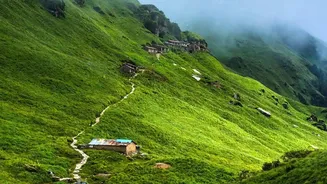
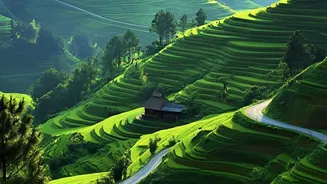
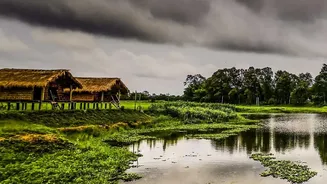
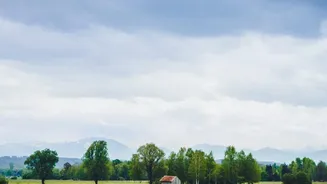
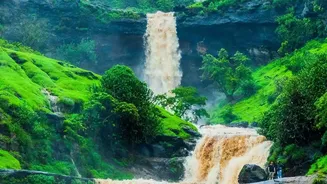
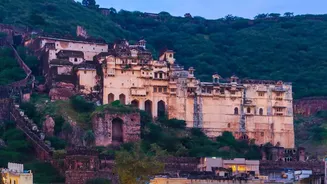
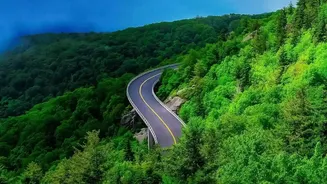
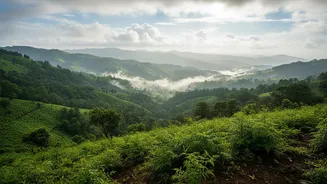
The primary draw for these monsoon travellers is the state's dramatic transformation. The arrival of rain breathes life into the dry landscape, turning vast stretches of the Aravalli range into a vibrant green paradise. Udaipur’s famous lakes, like Pichola and Fateh Sagar, fill to the brim, their waters reflecting majestic palaces against a backdrop of misty hills. In Mount Abu, Rajasthan’s only hill station, the scenery becomes particularly dramatic, with clouds blanketing the green slopes and waterfalls coming to life. This rain-changed scenery offers a completely different, more serene version of Rajasthan, a stark contrast to the golden desert image popularised for years. It's a visual spectacle that many are finding irresistible, creating picture-perfect moments that defy traditional expectations of the state.
Why the Sudden Shift?
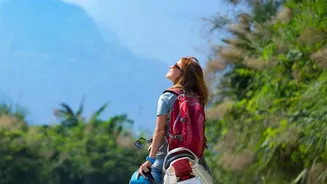
Several factors are driving this trend. The most obvious is the relief from extreme heat; monsoon temperatures are far more pleasant for sightseeing. For many, especially domestic tourists, it is also a question of economics and experience. The monsoon is considered a shoulder season, meaning fewer crowds at major attractions like forts and palaces, and significantly better deals on hotels and travel. Travellers can explore without the long queues typical of the winter peak. Furthermore, social media has played a huge role in showcasing this greener side of Rajasthan, tempting a new generation of travellers looking for unique, experience-led holidays beyond conventional destinations. The idea of a Rajasthan without the crowds, combined with stunning green landscapes, has become a powerful motivator.
Growing Pains in a Green Paradise
However, this newfound popularity is not without its challenges and raises important questions about sustainability. While the economic benefits are clear, the surge in visitors puts pressure on ecologically sensitive areas that are unaccustomed to heavy footfall during these months. The concentration of tourists, even if in different seasons, risks turning into overtourism, which can strain local infrastructure, from roads to waste management. There are growing concerns about the impact on Rajasthan's already fragile ecosystems, particularly its water resources. Unchecked tourism development has been linked to shrinking lakes in Udaipur due to pollution and encroachment. The commodification of culture is another risk, where local traditions are repackaged for tourist consumption, diluting their authenticity. Experts warn that without careful planning and regulation, the very beauty that draws monsoon crowds could be jeopardised.