



The Superfood Fatigue Is Real
For years, the wellness narrative was dominated by exotic ingredients. Quinoa from Peru, kale from Europe, and avocados from Mexico became staples for anyone aspiring to a healthy lifestyle. Pitched as nutritional powerhouses, these foods quickly found
their way into salads, smoothies, and meal preps. However, this global trend came with a significant local cost. The price of these imported goods can be substantial, with quinoa often costing several times more than traditional Indian grains. This financial strain, coupled with a growing awareness of the carbon footprint associated with importing foods, has led many to question the sustainability of a diet reliant on far-flung produce. The conversation is shifting from what's trending globally to what's available locally, and thankfully, India's own culinary heritage has plenty of answers.
Swap Quinoa for Millets
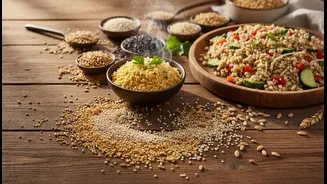
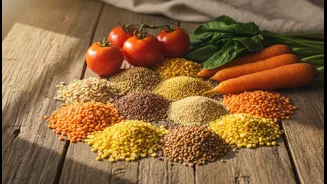
Quinoa gained fame for being a complete protein, containing all nine essential amino acids. While impressive, this benefit often comes at a high price, sometimes ranging from ₹500-800 per kg. Enter millets, India’s ancient grains. Varieties like jowar (sorghum), bajra (pearl millet), and ragi (finger millet) are not only significantly more affordable but also nutritionally competitive. For instance, while quinoa is a good source of iron (4.6mg per 100g), barnyard millet offers a staggering 18.6mg. When it comes to calcium, ragi provides 344mg per 100g, dwarfing quinoa's 47mg. While most millets aren't complete proteins on their own, the traditional Indian practice of pairing them with dal (lentils) easily creates a complete protein profile, making the switch both nutritionally sound and budget-friendly. Corporate canteens are increasingly featuring millet-based bowls and rotis, reflecting a wider shift towards these indigenous grains.
Ditch Kale for Moringa and Other Greens
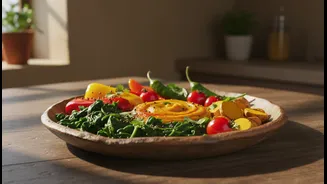
Kale became the poster child for leafy greens, celebrated for its vitamin content. But its Indian counterpart, moringa (drumstick leaves), is a nutritional giant in its own right. Often called the 'miracle tree', moringa leaves are exceptionally rich in nutrients. Per 100g, dried moringa leaves contain significantly more protein, calcium, and iron than kale. While kale boasts more Vitamin C, moringa is a powerhouse of Vitamin A, protein, and calcium. But the options don't stop there. Other humble Indian greens like spinach (palak), amaranth leaves (chaulai), and fenugreek (methi) are nutritional heroes. Spinach, for example, is packed with folate and vitamins A and K. These locally available greens are not just cheaper but are also versatile enough for sabzis, dals, and salads, making them an easy addition to any office dabba.
Beyond the Big Swaps: Rediscovering Local Produce
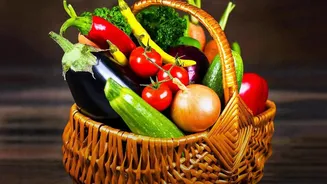
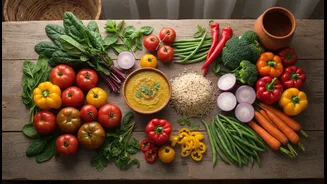
The return to local isn't just about one-to-one replacements; it's about embracing the diversity of Indian produce. Instead of pricey zucchini, the humble lauki (bottle gourd) offers excellent hydration and fibre at a fraction of the cost. Amla (Indian gooseberry) is a vitamin C bomb, containing nearly 20 times more of the nutrient than an orange, and far surpassing exotic goji berries. Vegetables like beetroot, pumpkin, and various gourds are packed with vitamins, minerals, and antioxidants that support overall health. These vegetables are not just food; they are part of a traditional system of eating that is inherently balanced. Incorporating a variety of seasonal, local vegetables ensures a wider range of nutrients, supports local farmers, and connects us to our culinary roots.
Making the Desi Dabba Work for You
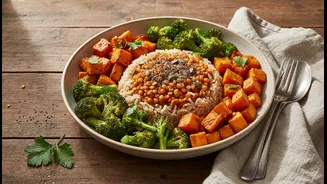
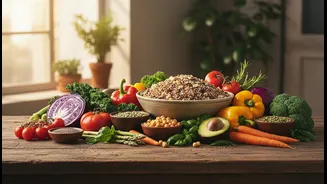
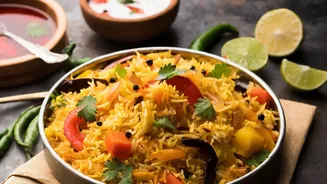
Adopting this trend doesn’t require a complete overhaul of your lunch routine. The key is small, sustainable changes. Start by planning your meals for the week. A simple vegetable pulao or millet khichdi can be made in one pot and packed for a couple of days. A lentil soup or a salad with chickpeas and local greens is a light yet filling option. Traditional home-cooked meals—a sabzi, dal, and roti—are inherently balanced, providing carbs, protein, and fibre. The modern challenge is the time crunch, but many of these meals can be prepped over the weekend. Chopping vegetables in advance or making a base gravy can significantly cut down cooking time on busy weekday mornings. Packing your own lunch gives you control over ingredients, portion sizes, and oil content, making it a powerful tool for long-term health and wellness.