


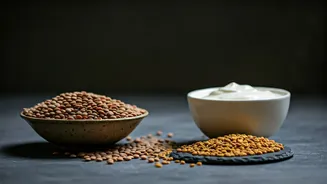


What Exactly Are Sprouts?
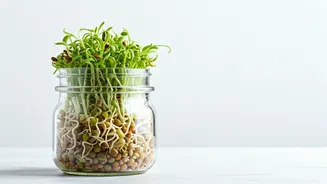
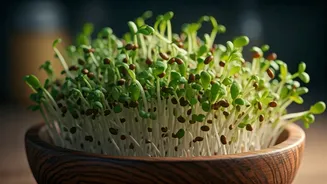
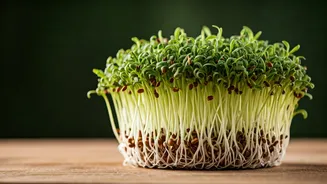
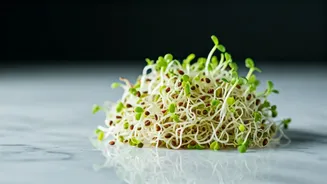
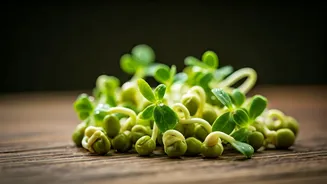
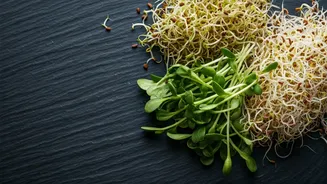
Sprouts are, quite simply, germinated seeds of vegetables, grains, and legumes. Think of them as baby plants in their most vital state. The process of sprouting involves soaking seeds until they begin to grow a tiny tail. This transformation is magical,
not just visually, but nutritionally. During germination, the seed unlocks and multiplies its nutrient content. Complex starches are converted into simpler sugars, making them easier to digest. Proteins are broken down into amino acids, and the levels of vitamins and minerals like Vitamin C, B-vitamins, and magnesium skyrocket. This process also reduces anti-nutrients like phytic acid, which can interfere with mineral absorption. So, that humble moong dal, once sprouted, becomes a completely different, far more potent, nutritional entity.
Let's Talk About 'Detox'
The word 'detox' is everywhere, but it's often misunderstood. Your body, particularly your liver and kidneys, is already an expert detoxification system. It works around the clock to filter and remove waste. A true 'detox' isn't about drinking strange juices for a week; it’s about supporting this natural process. This is where sprouts come in. They are packed with antioxidants and enzymes that help protect your cells from damage and support liver function. Their high fibre content aids digestion and promotes a healthy gut, which is crucial for eliminating waste efficiently. So, instead of thinking of sprouts as a magic pill, think of them as the fuel that helps your body's own cleaning crew do their job more effectively. It’s a gentle, sustainable dietary reset, not a drastic, short-term fix.
Your Easy Home Sprouting Guide
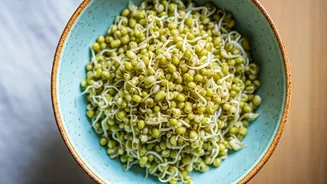
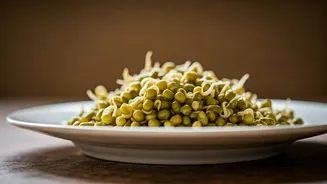
Intimidated by the idea of sprouting at home? Don't be. It's one of the easiest kitchen projects you can undertake. Here's a simple guide using whole moong beans: 1. **Rinse & Soak:** Take half a cup of moong beans, rinse them thoroughly, and soak them in a generous amount of water for about 8-10 hours, or overnight. 2. **Drain & Rest:** The next morning, drain all the water completely. You can tie the soaked beans in a clean muslin cloth or place them in a sprout maker or a simple colander covered with a plate. 3. **Wait for the Magic:** Keep the container in a warm, dark spot in your kitchen, like a cabinet. Rinse the beans once or twice a day to keep them moist and prevent them from drying out or spoiling. 4. **Harvest:** Within 24-36 hours, you'll see small white tails emerging. Your sprouts are ready! You can let them grow longer for a more pronounced tail or use them as they are. Store them in an airtight container in the fridge for up to three days.
Beyond the Boring Salad Bowl
The biggest barrier to eating sprouts is often boredom. Many of us just picture a plain bowl of raw sprouts, which can be uninspiring. It’s time to get creative! Indian cuisine offers fantastic ways to make sprouts delicious: * **Sprout Chaat:** The ultimate healthy snack. Mix sprouts with chopped onion, tomato, coriander, a squeeze of lemon juice, and a sprinkle of chaat masala. * **Add to Poha/Upma:** Stir in a handful of sprouts in the last few minutes of cooking your favourite breakfast dish for an extra crunch and protein boost. * **Make a Sprout Cheela:** Grind sprouts into a paste with some ginger, green chillies, and spices to make a batter. Pan-fry it like a regular besan cheela for a high-protein breakfast or snack. * **Stir-Fry them:** Lightly sauté sprouts with garlic, soy sauce, and a hint of sesame oil for a quick and flavourful side dish. * **The Heart of Misal:** For those in Maharashtra and beyond, sprouts (especially moth beans or 'matki') are the star of the show in the iconic Misal Pav.