





The Green Promise and The Reality
The idea that houseplants can clean indoor air gained widespread popularity from a 1989 NASA study. This research showed that common houseplants could remove harmful volatile organic compounds (VOCs) like formaldehyde and benzene from sealed chambers.
These are pollutants often found in everyday household items like paints, furniture, and cleaning products. However, it's crucial to understand the context: the study was done in a small, sealed environment, not a typical, ventilated home. Later research has concluded that you would need a very large number of plants—sometimes hundreds—to match the air-cleaning effect of simply opening a window or using a mechanical air purifier. While plants are great at absorbing certain gases, their ability to filter the fine particulate matter (PM2.5) that characterizes Delhi's severe winter smog is limited.
A Helpful Habit, Not a Magic Bullet
So, should you give up on the idea of a green sanctuary? Absolutely not. While a few potted plants won't single-handedly defeat severe smog, they offer real, tangible benefits. They are excellent at adding humidity to the dry winter air, which can be soothing for your respiratory system. Their leaves can trap some airborne dust particles, and their ability to absorb VOCs is well-documented. Most importantly, plants have a proven positive impact on mental well-being, reducing stress and creating a calmer, more pleasant indoor environment. Think of indoor plants as a valuable supplement to your main defences—like HEPA filter air purifiers and sealing windows on high-pollution days—not a replacement for them.
Snake Plant: The Bedroom's Best Friend
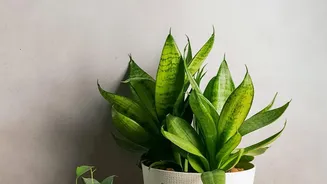
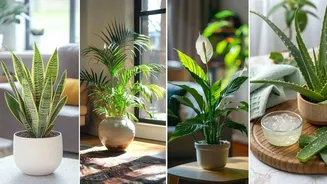
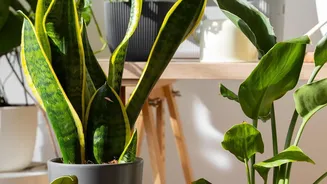
If you're going to start with one plant, make it the Snake Plant (Sansevieria trifasciata). It's one of the most effective plants identified by NASA for absorbing toxins like formaldehyde, benzene, and nitrogen oxides. What makes it perfect for bedrooms is its unique ability to release oxygen at night, unlike most other plants. It’s also incredibly hardy, tolerating low light and infrequent watering, making it nearly impossible to kill. Its upright, sculptural leaves add a modern touch to any decor, working silently to improve your air while you sleep.
Areca Palm: The Natural Humidifier
The Areca Palm (Dypsis lutescens) is another top performer, often praised for its ability to act as a natural humidifier. During Delhi's dry winters, this is a significant benefit. Its lush, feathery fronds are not just beautiful; they are also efficient at filtering out pollutants like xylene and toluene. Rated highly in NASA's research, this plant brings a tropical feel to living rooms and thrives in bright, indirect sunlight. It's a popular and readily available choice in most Indian nurseries.
Money Plant: The Everyday Purifier
The humble Money Plant, or Pothos (Epipremnum aureum), is already a fixture in millions of Indian homes for good reason. It’s incredibly easy to grow, tolerant of low light, and an effective air purifier. It excels at removing formaldehyde, a common pollutant from furniture and carpets. Its fast-growing vines can be placed on bookshelves or cabinets, adding a cascade of green to your space. While it won't solve the PM2.5 problem, it consistently works to remove common chemical toxins from your indoor environment.
Peace Lily: The Elegant Filter
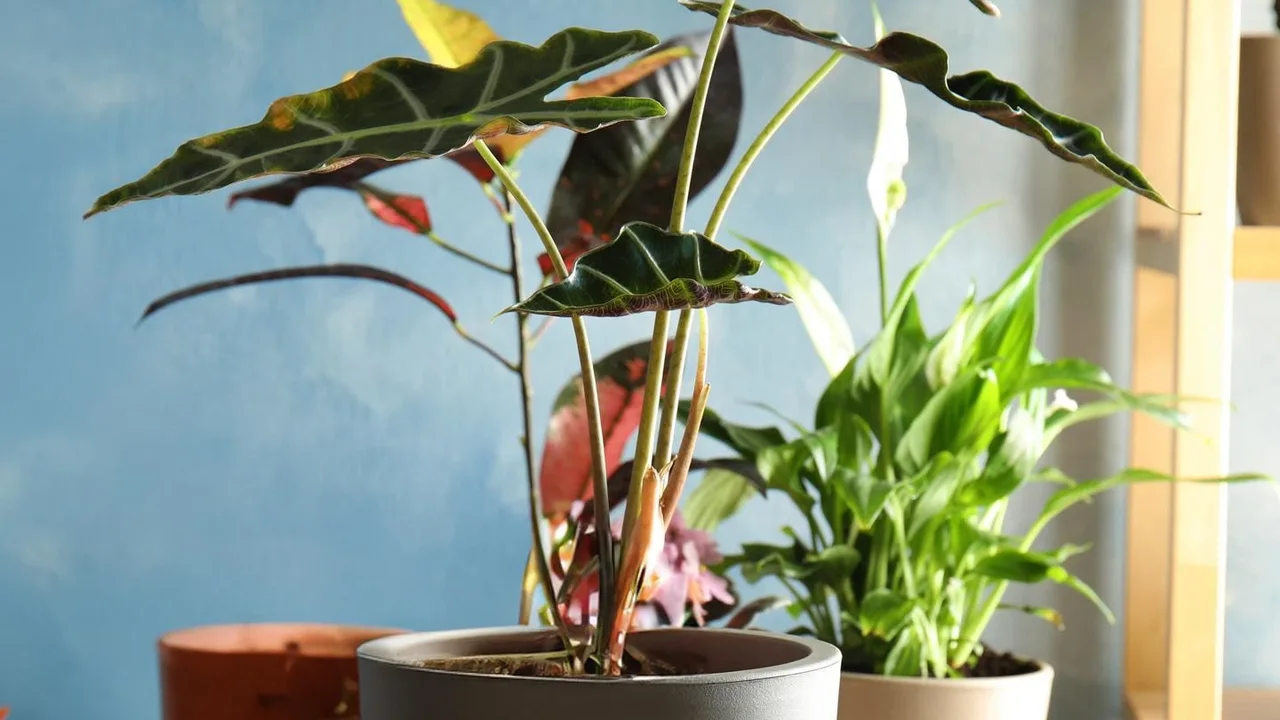
The Peace Lily (Spathiphyllum) is one of the few air-purifying plants that also flowers indoors, offering both beauty and function. It's particularly good at removing ammonia, a compound found in many cleaning products, in addition to benzene and formaldehyde. Its broad, dark green leaves are efficient at capturing dust and absorbing pollutants. It prefers shady spots and consistently moist soil, making it a great addition to bathrooms or corners that don't get direct sunlight.