





The Problem with Just Counting
For many, the journey to healthier eating starts with a calorie-counting app. While understanding energy intake is useful, a rigid focus on numbers can become a source of stress and anxiety. It can lead to viewing food as mere data points rather than
a source of nourishment and joy. This approach often ignores the nutritional quality of the calories consumed. For example, 200 calories from a sugary snack and 200 calories from a nutrient-dense dal are treated as equal in a simple calorie log, but their impact on your body, energy levels, and satiety is vastly different. Over time, this narrow focus can lead to nutritional deficiencies and an unhealthy relationship with food, making long-term adherence difficult.
Enter the Macro Plate Mindset
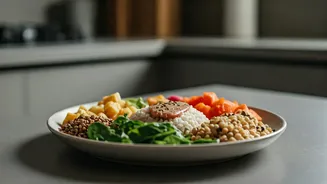
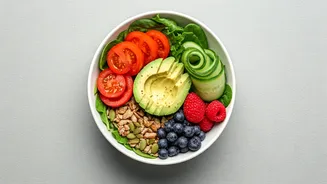
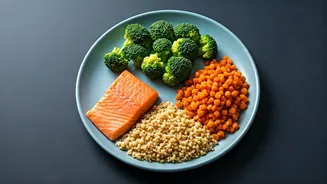
Instead of counting calories, shift your focus to building a balanced plate. The goal is to ensure each meal contains the right proportions of macronutrients—protein, carbohydrates, and healthy fats—along with essential micronutrients from fibre-rich vegetables. This 'plate method' is a visual guide that simplifies healthy eating. By dedicating portions of your plate to different food groups, you naturally control portion sizes and create a balanced meal without needing a calculator. It’s a sustainable strategy that teaches you to listen to your body’s needs and build meals that are both satisfying and nutritionally complete. It transforms mealtime from a mathematical exercise into a creative and mindful practice.
Why Lentils Are Your Perfect Base
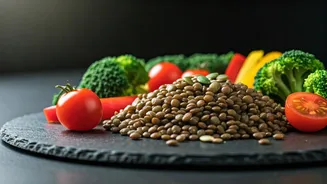
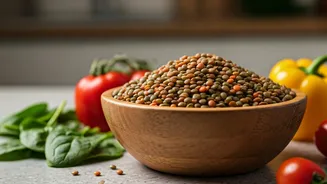
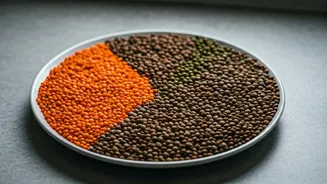
In the world of macro plates, lentils are a superstar, especially in the Indian context. Dal is not just comfort food; it's a nutritional powerhouse. Lentils are an excellent source of plant-based protein, crucial for muscle repair and keeping you full. They are also packed with complex carbohydrates and dietary fibre, which aid digestion and provide a slow, steady release of energy, preventing the blood sugar spikes and crashes associated with simple carbs. From the hearty chana dal and rajma to the lighter moong and masoor dals, their versatility is unmatched. By making a bowl of dal the foundation of your meal, you’ve already secured a solid base of protein and fibre.
Your Colour-Coded Guide
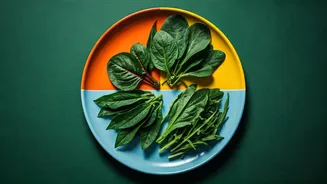
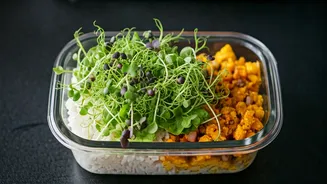
Think of your plate as a canvas. The goal is to fill it with a variety of colours, as each colour typically represents a different set of nutrients. This visual cue ensures you get a wide range of vitamins and minerals. Here's a simple system: 1. **Brown/Yellow (40% of your plate):** This is your protein and fibre base. Fill this portion with your chosen dal, be it tadka dal, dal makhani, or a simple boiled moong. This is the main event that provides satiety and sustained energy. 2. **Green (30% of your plate):** This section is for non-starchy vegetables and leafy greens. Think spinach (palak), fenugreek (methi), okra (bhindi), broccoli, or a fresh kachumber salad. These are low in calories but high in vitamins, minerals, and fibre. 3. **Red/Orange/Other Bright Colours (20% of your plate):** This is for your nutrient-dense carbohydrates and other colourful veggies. A small portion of brown rice, quinoa, or a whole wheat roti fits here. Add vegetables like carrots, bell peppers, beetroot, or pumpkin for a boost of vitamins like A and C. 4. **White/Healthy Fats (10% of your plate):** This is for flavour and essential fats. Add a spoonful of dahi or raita, a drizzle of ghee on your dal, or a sprinkle of paneer, nuts, or seeds. These fats are crucial for hormone function and absorbing fat-soluble vitamins.
Putting It All Together
What does this look like in practice? It’s simpler than you think. Imagine a meal of masoor dal (your yellow base). Pair it with a sautéed spinach and garlic sabzi (your green portion). Add a small katori of brown rice and a side of sliced carrots and cucumber (your colourful carbs and veg). Finish with a dollop of plain yogurt (your healthy fat). Another example: a bowl of rajma (protein base), a side of stir-fried bell peppers and onions (colourful veg), a small whole-wheat roti, and a simple green salad. Each meal is balanced, visually appealing, and requires no obsessive tracking.