


Why the Mountains are the New Office
The shift to remote work has untethered millions of Indian professionals, particularly in the tech sector, from their physical offices. This newfound freedom has fueled a migration not to other cities, but to the serene landscapes of Himachal Pradesh.
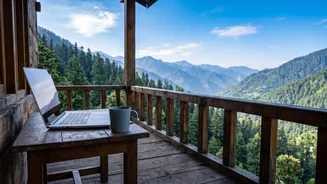
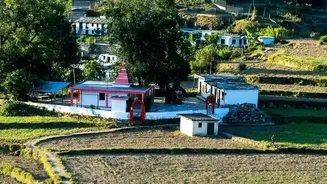
Kasol, nestled in the Parvati Valley, and Jibhi, a tranquil hamlet in the Tirthan Valley, have emerged as top destinations. They offer a potent combination: the peace required for deep work, the natural beauty that inspires creativity, and a cost of living significantly lower than in metropolitan hubs. The appeal lies in trading traffic noise for the sound of a river and swapping polluted skies for crisp mountain air, all while staying connected and productive.
Kasol: Social Energy and Cafe Culture
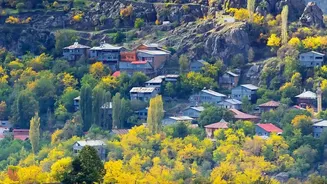
Kasol is the more vibrant and social of the two destinations. It's known for its bustling main street, a plethora of cafes offering everything from Israeli to Italian food, and a constant influx of backpackers and fellow remote workers. This makes it ideal for those who thrive on energy and enjoy a lively social scene after logging off. For a tech worker, the infrastructure here is more established; many cafes and guesthouses are accustomed to the needs of digital nomads and offer reliable Wi-Fi. Homestays in and around Kasol, particularly in quieter adjacent villages like Chalal and Katagla, provide a peaceful retreat from the main town's buzz while keeping you close to the action. It's the perfect blend for someone who wants mountain views without complete isolation.
Jibhi: Tranquility and Deep Focus
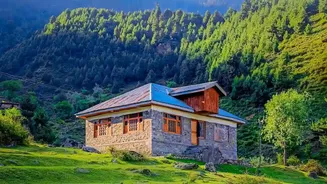
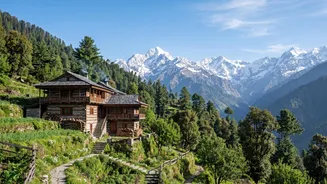
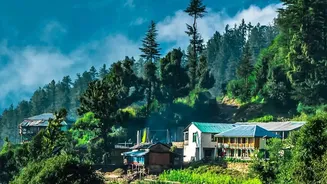
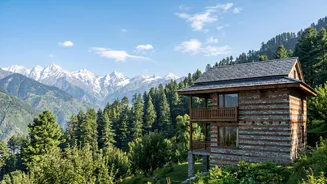
If Kasol is the party, Jibhi is the meditation retreat. Located in the serene Tirthan Valley, Jibhi is for those who seek genuine peace and quiet to concentrate. The landscape is dominated by traditional wooden houses, dense pine forests, and the tranquil Tirthan River. Life here moves at a slower pace, making it perfect for developers, writers, and anyone whose work requires uninterrupted focus. While it was once considered off-the-grid, Jibhi has seen a significant upgrade in its digital infrastructure. Many homestays, anticipating the needs of remote workers, now offer dedicated fibre internet connections and robust power backup systems, making it a viable and increasingly popular choice for a productive workation.
The Non-Negotiables: What to Ask Before You Book
The term 'work-friendly' can mean different things. To ensure a smooth experience, there are critical questions to ask before booking any long-term stay. First, verify the Wi-Fi situation. Don't just ask if they have it; ask what kind it is (fibre optic is best) and for a recent speed test. Second, confirm the power backup. Power cuts are a reality in the mountains, especially during certain seasons. A reliable inverter or generator that can power your router and devices is essential. Finally, inquire about the workspace. Is there a proper desk and ergonomic chair, or will you be working from a bed or a low-slung sofa? Getting clarity on these points separates a productive stay from a frustrating one.
Finding and Budgeting for Your Mountain Homestay
Finding the right homestay is easier than ever. Platforms like Airbnb now have dedicated sections for monthly stays, and many local hosts offer significant discounts for long-term bookings. Monthly rates for a private room in a homestay can range from ₹12,000 to ₹20,000, depending on the location and amenities. Many hosts in both Kasol and Jibhi are now active on social media, making it possible to connect with them directly. When budgeting, factor in the cost of food. While some homestays include meals, others provide access to a kitchen. Eating local, home-cooked food is not only more affordable but also a richer cultural experience. The key is to book in advance, especially for peak seasons, and communicate your needs as a remote worker clearly.