




What's Driving the Price Surge?
The primary driver behind the recent climb in oil prices is geopolitical instability. An ongoing conflict in the Middle East has led to the disruption of shipping through the Strait of Hormuz, a critical channel for global oil trade. This has created
fears of a supply crunch, keeping the global benchmark, Brent crude, elevated. While some analysts note that demand for oil has weakened slightly, which has kept prices from spiraling even higher, the market remains tense. Geopolitical developments and decisions by oil-producing nations continue to create volatility, making sustained price relief unlikely in the near term.
The Most Obvious Hit: Travel
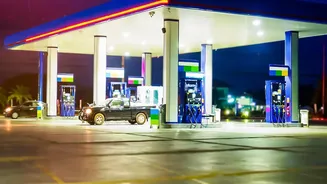
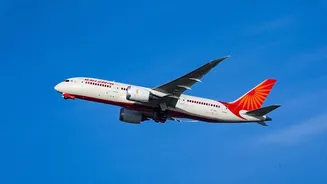
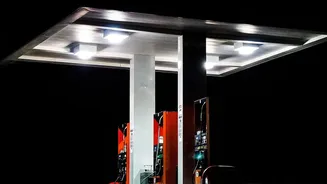
The most immediate impact for many will be at the petrol pump. In August, average gasoline prices have hit record highs for the month, sitting well above $4 a gallon in many places. This makes any holiday road trips significantly more expensive than last year. Air travel is also feeling the pinch. Airlines face ballooning jet fuel bills, which are expected to be up to 70% higher this year. Executives have been clear that these costs will inevitably be passed on to consumers through higher ticket prices. While airlines are trying to manage capacity and are cautious about triggering a price war, the underlying cost pressure means finding cheap holiday flights will be a major challenge. Some industry experts predict airlines will make as little as $4.50 per passenger this year due to these high fuel costs, illustrating the severe margin squeeze.
The Hidden Cost: Goods and Groceries
Beyond personal travel, higher energy costs seep into the price of almost everything. The global supply chain runs on diesel fuel, which is used for trucking, shipping, and rail. Diesel prices are at record levels, meaning the cost to transport goods—from electronics to toys to the food for your holiday dinner—is rising. These expenses don't just disappear; they are passed along from the shipping companies to retailers, and finally, to you, the consumer. This can lead to what is sometimes called a 'crack spread,' where the cost of refined products like gasoline and diesel rises faster than crude oil itself, amplifying the financial pain for households. Even as retailers try to manage pricing, the sustained stress on the supply chain means holiday shopping lists will likely come with a higher price tag this year.
Planning for a Pricier Holiday Season
Given these economic headwinds, careful planning is more important than ever. Consumers are already adjusting their behavior, with many planning to shop earlier to spread out costs and avoid potential delays. For travel, booking flights two to six months in advance for international trips and one to three months for domestic ones is recommended to get ahead of further price hikes. On the road, budgeting for significantly higher petrol costs is a must. For gift and grocery shopping, creating a firm budget, hunting for deals, and comparing prices between retailers can help mitigate the impact of inflation. Some families are also recalibrating their vacation plans, opting for closer destinations or simpler getaways to manage costs. By anticipating these higher expenses now, you can make informed decisions that keep your holiday budget from breaking.