



Marigold (Genda)
A staple in Indian households for good reason, marigolds are one of the easiest and most rewarding flowers to grow. Available in brilliant shades of yellow, orange, and gold, they bring instant cheerfulness. The post-monsoon period is ideal for planting
marigolds as they flourish in the mild climate and full sun. They are relatively drought-tolerant once established and not fussy about soil, though good drainage is key to prevent roots from getting soggy. Regular deadheading of spent blooms will encourage a continuous display of flowers, keeping your balcony bright and festive.
Chrysanthemum (Guldaudi)
Known as the queen of winter flowers, chrysanthemums are perfect for adding a touch of elegance to your post-monsoon balcony garden. Available in a stunning array of colours and forms, these plants begin to set buds as the days get shorter. They prefer a spot with ample sunlight and well-draining soil. After the heavy monsoon, it's a good time to plant nursery-bought saplings. Keep the soil consistently moist but not waterlogged. With proper care, you'll be rewarded with a spectacular burst of blooms that can last for weeks.
Bougainvillea
If you crave dramatic colour with minimal fuss, bougainvillea is the plant for you. These hardy plants are known for their vibrant paper-like bracts in shades of pink, magenta, purple, and orange. They are sun-loving powerhouses and thrive in the bright, direct light that follows the monsoon. Bougainvillea is famously drought-resistant once it's established, so be careful not to overwater. In fact, they often bloom more profusely when the soil is allowed to dry out between waterings. This makes them a perfect low-maintenance choice for a sunny Indian balcony.
Hibiscus (Gudhal)
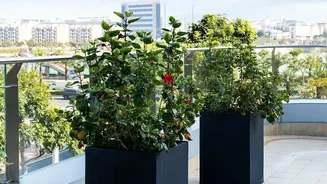
Hibiscus plants produce large, stunning flowers that bring a tropical feel to any space. While they bloom for much of the year, the monsoon can sometimes stress the plant. The post-monsoon season is an excellent time to help it recover and encourage new blooms. Ensure your plant is in a spot that receives at least six hours of sunlight. After the rains, check for waterlogging and adjust your watering schedule, allowing the topsoil to dry out. A little pruning of dead or overgrown branches can stimulate fresh growth and lead to a new flush of vibrant flowers.
Petunia
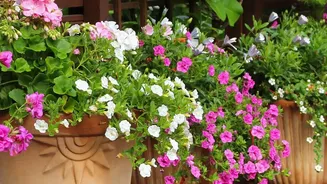
For a cascade of continuous colour, petunias are an excellent choice, especially for hanging baskets and window boxes. These annuals produce masses of trumpet-shaped flowers and thrive in the cooler, sunnier weather that follows the monsoon. They need plenty of sunlight and well-draining soil to put on their best show. Available in nearly every colour imaginable, they are perfect for creating a dense, flowery display that can transform a small balcony space. Light feeding every few weeks will keep them blooming profusely.
Holy Basil (Tulsi)
No Indian balcony garden feels complete without Tulsi. Revered for its medicinal and spiritual significance, it is also a wonderfully aromatic and resilient herb. After the monsoon, it's a good time to ensure your Tulsi plant has good drainage and isn't sitting in waterlogged soil. This plant thrives in a sunny spot, requiring at least four to six hours of sunlight daily. Regular harvesting of leaves encourages the plant to grow bushier. It’s a low-maintenance plant that not only serves a purpose in the kitchen but also adds a touch of sacred greenery to your home.