



The Price Hikes Are Real
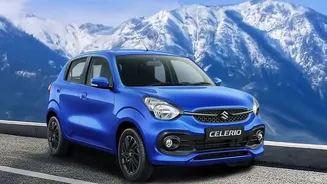
Several of India's largest automakers have confirmed price increases starting from August and September 2026, just ahead of the peak festive period. Maruti Suzuki announced hikes of up to ₹30,000 on some models from August. Following suit, Hyundai stated
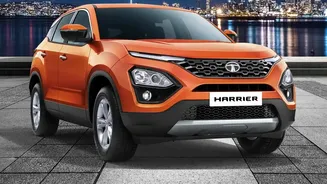
its prices will go up by up to 1% in September. Tata Motors also announced it will increase prices across its portfolio, including electric vehicles, by up to ₹25,000 from September 1. Carmakers uniformly cite rising input costs, including commodities like steel and aluminum, sustained inflationary pressures, and higher operating expenses as the primary reasons for these revisions. This isn't a one-off event; for many of these companies, this is the second or third price increase in 2026, signaling that the pressure on manufacturing costs is persistent.
The Case for Buying Now: Beat the Hike
The most compelling argument for purchasing a car before the September price revisions take effect is immediate and guaranteed savings. By buying now, you lock in the current, lower ex-showroom price, directly avoiding a hike that could range from a few thousand rupees to ₹30,000, depending on the model. For example, a 1% increase on a car priced at ₹10 lakh is a straightforward ₹10,000 loss if you wait. This strategy is particularly effective if you have already decided on a specific model and variant that is readily available. Acting quickly means you can avoid the price increase without compromising on your choice. Dealerships will invoice the car at the pre-hike price as long as the purchase is completed before the new prices are effective, making August a crucial window for potential savings.
The Festive Season Gambit: Waiting for Discounts
The festive season, from Navratri through Diwali, is traditionally the most aggressive sales period in the Indian auto market. Manufacturers and dealers roll out a wide array of incentives to attract buyers, which can include cash discounts, attractive exchange bonuses, lower interest rates on loans, free accessories, and extended warranty packages. The crucial question is whether these festive offers will be substantial enough to offset the pre-festive price hikes. While festive deals are almost a certainty, their value is not guaranteed. Waiting for these offers is a calculated risk. The discounts may indeed be greater than the price hike, resulting in a lower overall cost. However, they could also be less, or be limited to specific, slow-moving models or variants.
Other Factors to Consider
Your decision should not be based on price alone. The festive season often coincides with the launch of new models, facelifts, and special editions. If you are interested in the latest technology or features, waiting could give you access to a newer and better product. Furthermore, high demand during the festive rush can lead to extended waiting periods for popular models, potentially delaying your delivery. Buying now might mean faster delivery of your chosen vehicle. Conversely, waiting until the end of the calendar year (December) can sometimes bring even deeper discounts as dealers push to clear old inventory before the new model year begins, though model and color choices may be limited.
Making Your Decision: A Simple Framework
There is no single correct answer, but you can make an informed choice based on your priorities. Buy now if you value certainty and immediate savings, have a specific model in mind that is in stock, and are not swayed by potential new launches. Waiting for the festive season is a better option if you are flexible on the model, are a good negotiator who can maximize discount opportunities, and are willing to risk that the festive offers will outweigh the announced price hikes. If you're keen on a brand-new model set for a festive launch, you have no choice but to wait. Track announcements closely and compare the on-road price, not just the sticker discounts.