



Beyond the Familiar Chai
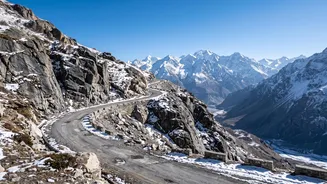
In India, tea is often synonymous with a strong, sweet, milky brew. But high in the mountain passes and remote valleys of the Himalayas, a different tea culture thrives. While the salty, buttery 'gur gur chai' of Ladakh is famous, it's the lesser-known
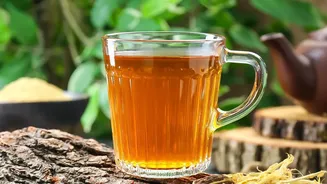
herbal infusions, made without any milk at all, that offer a deeper connection to the land. For centuries, communities across regions like Ladakh, Sikkim, Nepal, and Bhutan have relied on what the landscape provides. They brew teas from foraged flowers, leaves, and berries, creating drinks that are part of their culinary and medicinal heritage. These naturally caffeine-free beverages are not just for refreshment; they are a living library of ecological knowledge passed down through generations.
A Pharmacy in a Cup
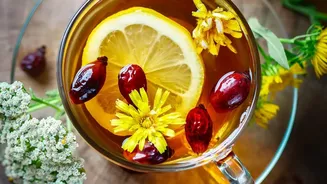
Many of these herbal teas are rooted in traditional wellness practices, including Tibetan Sowa-Rigpa and Ayurveda. The ingredients are chosen for their purported properties to help residents adapt to the harsh, high-altitude environment. One of the most prized ingredients is sea buckthorn, a thorny shrub whose bright orange berries are packed with vitamins. Known locally by names like 'charma' or 'amla', its leaves and berries are brewed into a tea believed to boost immunity, aid digestion, and combat altitude sickness. Similarly, the vibrant red flowers of the rhododendron ('buransh' or 'gurans') are handpicked and sun-dried to create a fragrant infusion. This tea is traditionally valued for its soothing properties and is thought to support heart and digestive health.
Foraged Flavours of the Mountains
The wisdom of Himalayan teas lies in their simplicity and reliance on hyper-local ingredients. These are not cultivated crops but wild plants harvested with respect. Stinging nettle ('sisnu' or 'tsa-thang'), a plant known for its sting, loses its bite when dried and brewed, creating a smooth, earthy green tea rich in minerals. In Ladakh, wild mint and other herbs are used to create fragrant, warming infusions that are a staple of local hospitality. Tulsi (holy basil) is another common ingredient, revered for its cultural significance and its warm, spicy aroma that makes for a comforting brew at any hour. The process often involves sun-drying the leaves and flowers, a natural preservation method that locks in their flavour and aroma for the long, harsh winters.
More Than Just a Drink
These herbal infusions are deeply woven into the social fabric of Himalayan life. Offering a guest a cup of tea is a fundamental gesture of hospitality and respect. In Nepal, for example, tea is associated with friendship and reverence, and a host will continuously refill an empty cup. Certain teas are part of daily rituals, monastic life, and community gatherings. Some communities even believe that local spirits guard the plants, ensuring they are harvested with care. This cultural context elevates the tea from a simple beverage to a symbol of connection—to nature, to community, and to ancestral traditions that have sustained people in one of the world's most formidable landscapes for centuries.