


The Magic of Stovetop Baking
Baking is often synonymous with a hot oven, but some of the most delicious breads and treats are born from direct heat. Cooking on a heavy-bottomed pan like a cast-iron skillet or a traditional Indian tawa is a fantastic alternative. This method relies
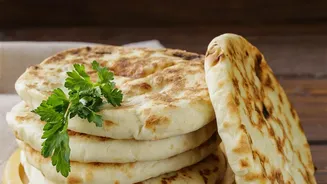
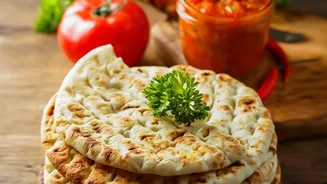
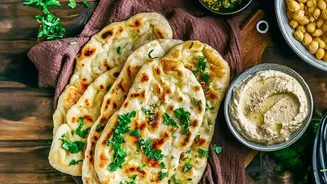
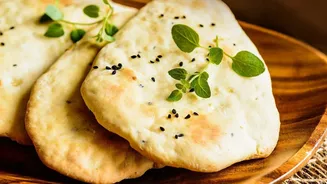
on conduction—direct heat transferring from the pan to the dough—which results in a beautiful crust and a soft interior. Unlike an oven, which circulates hot air, a skillet provides intense, focused heat to the base. This is precisely why it’s the perfect tool for creating the signature bubbles and charred spots on flatbreads like naan, which would otherwise require the blistering temperatures of a clay tandoor.
Why Use a Tawa or Skillet?
Opting for a skillet over an oven isn’t just a workaround; it has distinct advantages. Firstly, it’s incredibly efficient. You avoid the time and energy required to preheat a large oven, making it a quick and convenient option for a weeknight meal. For those living in warmer climates, stovetop baking is a blessing, as it won’t heat up your entire kitchen. Furthermore, it’s an accessible technique for everyone, especially those in homes without a conventional oven. For dishes like naan, the direct contact with the hot metal surface is what creates its beloved texture—a delightful combination of chewy, soft, and slightly crispy that an oven often struggles to replicate.
The Star: Tawa Garlic Naan Dough
The foundation of great naan is a soft, pliable dough. Most recipes rely on a simple combination of all-purpose flour (maida), yeast, sugar, salt, and a tenderizing agent like yogurt or milk. Start by activating your yeast in warm water with a pinch of sugar until it becomes frothy. In a large bowl, combine the flour and salt, then add the activated yeast mixture and yogurt. Knead everything together for about 8-10 minutes until you have a smooth, elastic dough that is soft to the touch but not sticky. The yogurt not only adds a subtle tang but also contributes to the naan’s characteristic softness. Once kneaded, place the dough in a lightly oiled bowl, cover it, and let it rise in a warm spot for at least one to two hours, or until it has doubled in size.
Shaping and Flavouring Your Naan
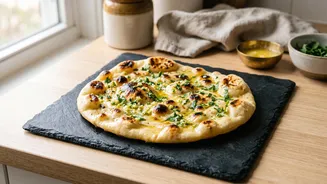
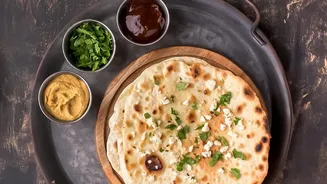
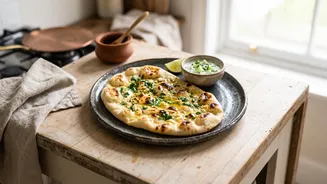
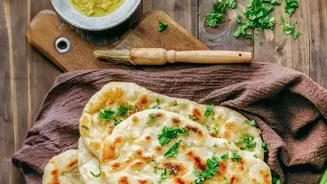
Once your dough has risen, punch it down gently and divide it into equal-sized balls. On a lightly floured surface, take one ball and roll it into an oval or teardrop shape, about a quarter-inch thick. Don't worry about achieving a perfect shape; rustic is part of its charm. Now for the best part: the flavour. Finely chop fresh garlic and cilantro leaves and sprinkle them generously over the surface of the rolled-out dough. Gently press the toppings into the dough with your hands or a rolling pin to ensure they stick during cooking. To help the naan adhere to the tawa, lightly brush the underside (the side without toppings) with water just before placing it on the hot pan.
Cooking to Perfection on the Tawa
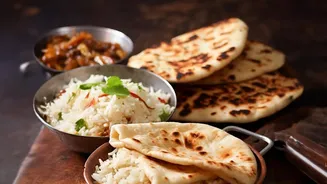
Heat a cast-iron skillet or an iron tawa over medium-high heat until it's very hot. A simple test is to flick a few drops of water on it; if they sizzle and evaporate immediately, it's ready. Place the naan, water-side down, onto the hot tawa. You'll see bubbles start to form within a minute. Let it cook for about 60-90 seconds, until the base has golden-brown spots. Now for the tandoor effect: using tongs, carefully lift the tawa and flip it upside down, holding it a few inches directly over the gas flame. This direct exposure to the flame will cause the naan to puff up beautifully and develop those iconic charred blisters. Cook for another 30-60 seconds, moving the pan around for even cooking. Once done, transfer the hot naan to a plate and brush it generously with melted butter or ghee.
Beyond Naan: Other Skillet Bakes
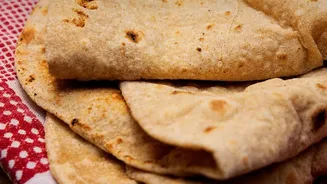
Your skillet’s baking prowess doesn't end with naan. It’s an incredibly versatile tool for a range of other baked goods. You can make a giant, gooey skillet cookie with a crispy edge and a soft centre, perfect for sharing. Classic American-style cornbread develops an unbeatable crust when baked in a pre-heated cast-iron skillet. Other flatbreads, from simple rotis to stuffed parathas, are traditionally made this way. You can even create rustic skillet brownies or simple upside-down cakes, letting the direct heat caramelize the bottom layer perfectly. The key is to manage your heat and choose recipes that benefit from a well-browned base.