


The Longevity Gap: A Matter of Size
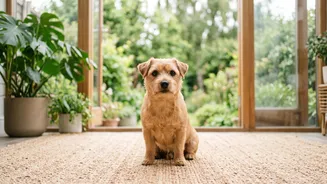
In the animal kingdom, larger species like elephants typically outlive smaller ones like mice. But within the dog species, the opposite is true. There is a clear inverse relationship between a dog's body size and its lifespan. Small breeds like Dachshunds
and Shih Tzus frequently live for 12 to 16 years, with some reaching their late teens, while giant breeds like Saint Bernards may only live for 8 to 10 years. Studies have shown that for every 2 kg of body mass, a dog's life expectancy decreases by about a month. This phenomenon suggests that the rapid growth of large breeds comes at a biological cost, leading them to age faster than their smaller counterparts.
The Genetic Blueprint: Growth vs. Longevity
At the heart of this size-lifespan puzzle is a key piece of genetic code: the IGF-1 (Insulin-like Growth Factor 1) gene. This gene is a primary driver of cell growth. Research has revealed that large dog breeds have significantly higher levels of IGF-1, which fuels their rapid development from puppyhood to adulthood. However, once they are fully grown, these high levels of IGF-1 are believed to accelerate the aging process and increase vulnerability to age-related diseases. In contrast, small breeds tend to have naturally lower levels of IGF-1. This is linked to a slower aging process and, consequently, a longer life. This trade-off between growing big and living long isn't unique to dogs; similar mechanisms have been observed in other species, and even in long-living humans.
Long-Lived Companions in India
Certain small breeds are particularly known for their impressive lifespans, and many are popular companions in India. The hardy and resilient Indian Pariah Dog, or Desi Dog, often lives for 13 to 16 years or more, thanks to a diverse gene pool and adaptation to local conditions. Other long-living small breeds commonly found in Indian homes include the spirited Dachshund (12-16 years), the charming Shih Tzu (12-16 years), and the fluffy Pomeranian (12-16 years). Chihuahuas are also champions of longevity, often living 14 to 17 years or even longer.
Health Risks in Small Breeds
A longer potential lifespan doesn't mean a life free of health concerns. Small dogs are predisposed to their own set of issues. Dental disease is particularly common, often due to crowded teeth in a small jaw. Another frequent problem is patellar luxation, where the kneecap dislocates, which is about 12 times more common in small dogs. Some breeds, especially those with short noses like Pugs and Shih Tzus, can suffer from Brachycephalic Airway Syndrome, which causes breathing difficulties. Tracheal collapse, a weakening of the windpipe, is also a concern for many toy breeds like Yorkshire Terriers and Poodles.
How to Maximise Your Small Dog's Lifespan
While genetics provide a roadmap, an owner's care plays a crucial role in how long and how well a dog lives. Maintaining a lean, healthy body weight is one of the most effective ways to extend a dog's life, as obesity contributes to arthritis, diabetes, and heart disease. A complete and balanced diet, daily exercise, and consistent mental stimulation are also vital. Regular veterinary check-ups, ideally twice a year for senior dogs, can catch problems early. Finally, diligent dental care, including regular brushing, can prevent serious infections that may affect vital organs.