




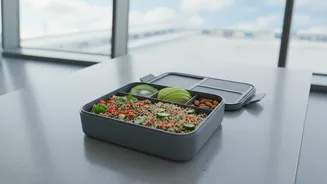


The Gamble of Onboard Catering
Relying on onboard catering can feel like a roll of the dice. On Indian domestic flights, only the full-service carrier Air India typically includes a complimentary meal. The majority of passengers fly with low-cost airlines like IndiGo, SpiceJet, and
Akasa Air, where all food and beverages are purchased separately from a limited buy-on-board menu. This means your options are restricted to what's in stock, which can run out on long or busy flights. For train travel, while Indian Railways has systems like e-catering, recent events have shown that services can be disrupted. For instance, reports from early 2026 indicated potential halts to cooked meals on some routes due to LPG supply issues, with a shift towards ready-to-eat items. Furthermore, passenger complaints about food quality, hygiene, and safety are not uncommon, with incidents ranging from flies in meals to contaminated food being served, leading to significant fines for caterers. These issues highlight a simple truth: the only meal you can truly count on is the one you bring yourself.
Your Pre-Travel Food Checklist
Before you even think about what to pack, a little prep work can save a lot of trouble. First, check the rules of your carrier. Airlines have strict limits on liquids in carry-on luggage—typically nothing over 100ml. This means gravies, dals, and other liquid-heavy dishes are best left for your checked baggage. Dry foods and well-sealed snacks are generally fine for your cabin bag. For train journeys, the rules are more relaxed, but practicality is still paramount. Consider the duration of your trip. A two-hour flight requires little more than a light snack, but a 24-hour train ride demands more substantial planning. Think about the time of day you'll be travelling and plan for main meals accordingly. Lastly, consider your fellow passengers. Avoid packing foods with strong, pungent odours that could make the journey unpleasant for others in a confined space.
Smart Snacks for Savvy Travellers
The best travel foods are simple, non-messy, and don't spoil easily. For generations, Indian families have relied on a roster of travel-friendly homemade classics for a reason. Items like thepla, puri with a dry potato sabzi, and idlis are excellent choices as they are easy to eat and stay fresh for a considerable time. Sandwiches are another great option, but it's wise to use fillings that won't get soggy. For lighter snacking, dry items are your best friend. Pack small containers of roasted chana, nuts, dry fruits, khakhra, or energy bars. These provide sustained energy without the hassle of spills or smells. Commercially packaged snacks like biscuits and chips are also a safe and convenient bet. For a more substantial option, ready-to-eat meal packets that only require hot water are becoming a popular and reliable choice, especially for long train journeys.
What Not to Pack in Your Carry-On
Knowing what to leave at home is just as important as knowing what to bring. As mentioned, any food with a high liquid content, like curries or soups, should be avoided in your carry-on for flights due to the 100ml security restriction. While you can place them in checked luggage, be sure they are in leak-proof containers. Foods with strong smells are a major travel faux pas. Items like fish, durian fruit, and certain types of pickles can create an unpleasant environment for everyone around you. Extremely perishable items are also a poor choice. Dairy products, creamy desserts, and salads with dressings can spoil quickly without refrigeration, posing a health risk. It's also best to avoid anything that requires complex assembly or is prone to crumbling and creating a mess.
Don't Forget Hydration
Staying hydrated is crucial, especially on long journeys in air-conditioned environments which can be dehydrating. While you cannot carry a full water bottle through airport security, you can and should bring an empty one. Once you pass the security checkpoint, you can fill it up at a water fountain or cafe. This is not only more economical than buying multiple bottles of water but also better for the environment. On trains, while bottled water is usually available for purchase, carrying your own ensures you always have it on hand, especially if services are intermittent or the train is delayed. For a bit of flavour, you can bring your own tea bags or instant coffee sachets and simply ask for hot water on board.