

Your Personal Planetarium
The most significant leap in accessibility comes from augmented reality (AR) sky map apps. Using your phone’s built-in GPS, compass, and gyroscope, these applications create a real-time map of the sky from your exact location. Simply point your phone towards
a bright star or constellation, and the app will identify it for you, overlaying names, star patterns, and mythological artwork on your screen. Apps like SkyView, Star Walk 2, and Stellarium Mobile have turned the daunting task of learning the celestial map into an intuitive and interactive experience. They effectively place a knowledgeable astronomer in your hand, ready to answer the simple question, “What am I looking at?” at any moment.
Planning Your Night Under the Stars
Modern stargazing apps do more than just identify what’s currently visible; they help you plan for what’s to come. Many include detailed calendars for celestial events like meteor showers, eclipses, and planetary conjunctions. You can receive notifications for when the International Space Station (ISS) will be passing overhead, a surprisingly bright and fast-moving object that is thrilling to spot. For those looking to get the best possible view, apps like Astrospheric and Sky Tonight offer detailed stargazing forecasts, factoring in cloud cover, atmospheric transparency, and light pollution to help you decide if it’s a good night to head outside. This planning capability removes much of the guesswork that could frustrate beginners.
The Rise of Mobile Astrophotography
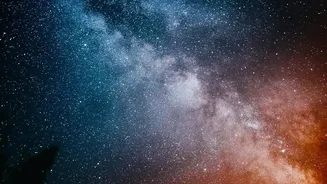
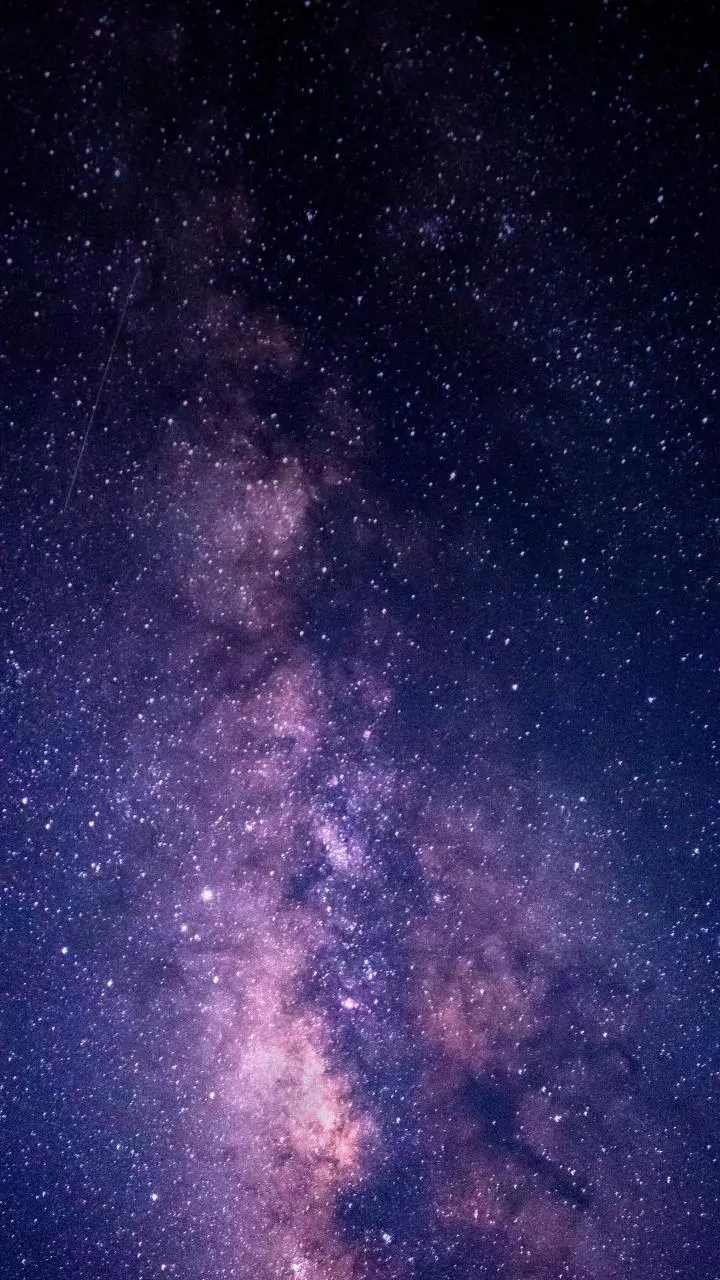
Just a few years ago, capturing a decent image of the night sky required a dedicated DSLR camera and considerable expertise. Today, the computational photography built into modern smartphones has made impressive astrophotography accessible to almost everyone. Using features like night modes, which take multiple long-exposure shots and stack them to reduce noise and increase detail, users can capture stunning images of the Milky Way, constellations, and even some brighter deep-sky objects. For more advanced shots, specialized apps like PhotoPills help photographers plan the exact positioning of the moon or the galactic core for breathtaking compositions. While a phone can't match a high-end telescope, the ability to easily capture and share a beautiful moonrise or a meteor streaking across the sky has brought a new social and creative dimension to the hobby.
Enhancing the Telescope Experience
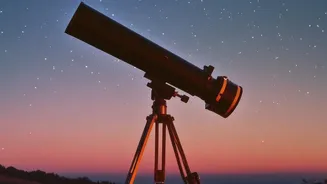
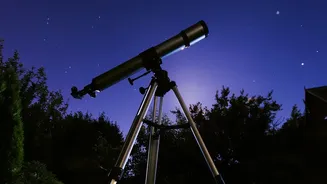
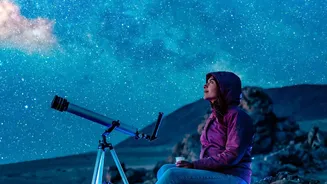
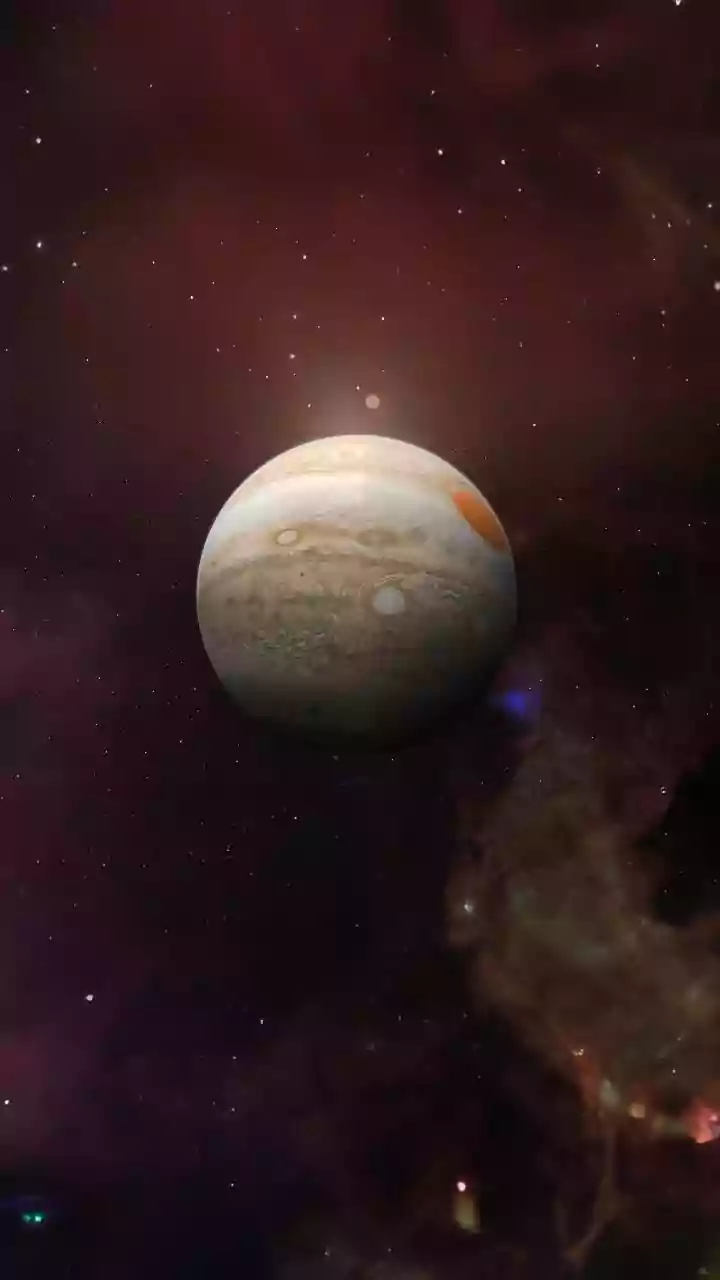
For those who decide to take the next step and purchase a telescope, smartphones continue to play a crucial role. Many entry-level and advanced telescopes now integrate with phone apps for a seamless experience. Some telescopes, like Celestron’s StarSense series, use your phone’s camera to analyze the starfield and automatically align the telescope, a process that was once a major technical hurdle for newcomers. Furthermore, powerful apps like SkySafari Pro can be used to control computerized telescopes, allowing you to simply tap on an object on your phone's screen and have the telescope automatically slew to it. For those without a computerized mount, simple plastic adapters allow you to mount your phone to the telescope's eyepiece, turning it into a powerful lens for capturing detailed photos of the Moon and planets.