









The Air is Actually Different
It’s not just your imagination; the air in the mountains is genuinely better for you. At higher elevations, the air is less dense and typically contains far lower levels of pollutants, dust, and allergens than in our congested cities. This clean, crisp
air can feel like a deep cleanse for your lungs. Some studies also point to a higher concentration of negative ions, which are oxygen atoms with an extra electron. While research is ongoing, these ions are linked to improved mood and increased serotonin levels, potentially contributing to that feeling of natural euphoria you get when you inhale deeply on a hillside.
A Gentle Boost from Altitude
When you ascend to a moderate altitude, your body has to work a little harder to get the same amount of oxygen. This isn't a strain but a gentle stimulus. In response, your body may start to produce more red blood cells and haemoglobin to improve oxygen transport. This process can also give your metabolism a slight, temporary kickstart. Think of it as a passive workout. You don't need to be scaling Everest; even the gentle hills of the Western Ghats or the lower Himalayas are enough to trigger this beneficial physiological response over a couple of days.
Nature's Prescription for Stress
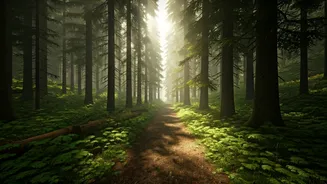
The simple act of being surrounded by nature, a practice the Japanese call 'shinrin-yoku' or 'forest bathing', is a potent antidote to stress. Mountain environments are a full-sensory experience. The sight of vast green landscapes, the sound of wind whistling through pines, and the earthy smell of the soil all work together to lower cortisol (the stress hormone), reduce blood pressure, and calm your nervous system. Unlike a city break, a mountain getaway removes the constant, low-level stimulation of traffic, crowds, and noise, allowing your brain to truly rest and recover.
The Psychological Power of Awe
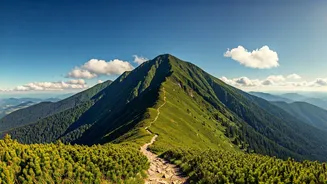
There's a specific emotion that mountains are uniquely good at evoking: awe. Staring at a towering peak or a valley stretching out to the horizon makes you feel small in a good way. Psychologists say this experience of awe helps to put your own worries and anxieties into perspective. It promotes a sense of connection to something larger than yourself, fostering feelings of gratitude and well-being. This powerful mental shift is one of the most immediate and lasting benefits of a mountain trip, and it doesn't require a ten-day trek—a stunning viewpoint on a weekend drive can do the trick.
Forced Disconnection is a Good Thing
Let’s be honest: one of the best features of many mountain destinations is the spotty mobile network. While initially frustrating, this forced digital detox is a blessing in disguise. Without the constant ping of emails, notifications, and social media updates, you are encouraged to be present. Your attention shifts from a screen to the world around you—the trail ahead, the conversation with your companion, or the taste of a hot cup of chai. This disconnection allows your mind to stop multitasking and engage in deeper, more restorative patterns of thought.