



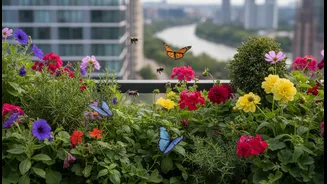


The Science of Natural Air-Conditioning
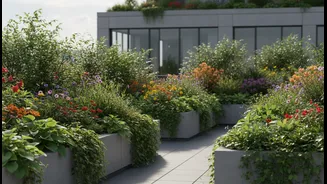
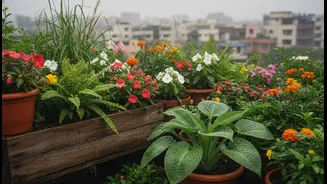
The primary way a green terrace cools your home is through a process called evapotranspiration. Plants absorb water from the soil and release it as cool water vapour through their leaves, acting like a natural swamp cooler for the surrounding air. This
process, combined with the simple act of providing shade on the concrete roof, can dramatically reduce the amount of heat absorbed by the building. Studies have shown that a vegetated roof can be significantly cooler than a conventional bare roof, sometimes by as much as 15-20°C. This means the rooms directly below the terrace stay much more comfortable, even during the peak afternoon heat. The soil and vegetation also act as a powerful layer of natural insulation, preventing heat from penetrating your home.
Lower Bills and a Lighter Footprint
A cooler home naturally leads to less reliance on air conditioning, which translates directly to lower electricity bills. Some estimates suggest that a green roof can reduce the need for air conditioning by as much as 25% or more, depending on the climate and the scale of the garden. This reduction in energy consumption also means a smaller carbon footprint, helping to mitigate the broader issue of climate change. By turning a heat-absorbing surface into a cooling green space, you're not only saving money but also contributing to a more sustainable urban environment. This effect is crucial in tackling the 'urban heat island' effect, where cities are significantly warmer than surrounding rural areas due to concrete and asphalt retaining heat.
More Than Just a Cooler Roof
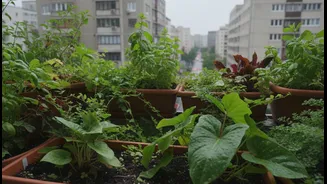
The benefits of a terrace garden extend far beyond temperature control. These green spaces act as natural filters, trapping dust and pollutants to improve local air quality. They also provide excellent sound insulation, reducing noise from the street below. A well-designed terrace garden can become a vital habitat for urban wildlife, attracting birds, butterflies, and bees, thereby supporting local biodiversity. Furthermore, they are excellent at managing stormwater. The soil and plants absorb a significant amount of rainwater, reducing runoff and easing the burden on city drainage systems during heavy downpours.
Creating Your Green Oasis in India
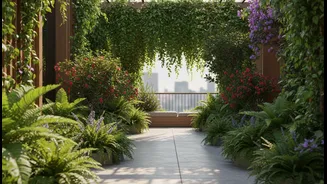
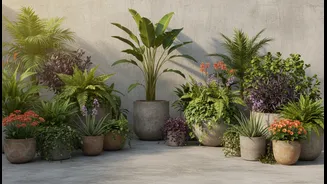
Starting a terrace garden in India requires some specific considerations. The first and most crucial step is to ensure proper waterproofing to prevent leaks and structural damage. It's also wise to consult a structural engineer if you plan a large garden with heavy pots, to make sure the roof can handle the load. Using a lightweight potting mix—often a combination of coco peat, compost, and perlite—is essential to keep the overall weight down. Choosing the right plants is key for success. Opt for hardy, native varieties that are well-suited to your local climate and the amount of sunlight your terrace receives. Plants like bougainvillea, hibiscus, tulsi, and various creepers thrive in Indian conditions. For peak summer, installing a green shade net can protect more delicate plants from the harsh afternoon sun.
A Sanctuary for Well-Being
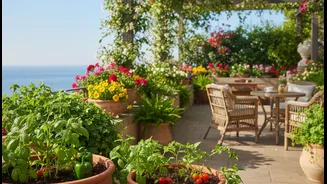
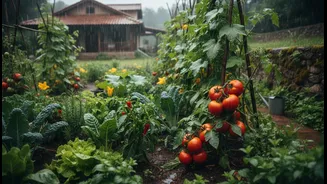
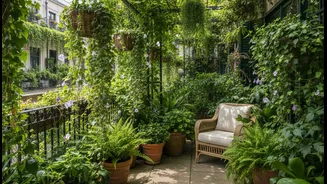
Beyond all the practical and environmental benefits, perhaps the greatest advantage of a green terrace is the improvement in your quality of life. In a bustling city, having a private patch of green to unwind is a priceless luxury. It offers a space for relaxation, a place to connect with nature, and even an opportunity to grow your own fresh herbs and vegetables. It can become a social hub where family and neighbours connect. This connection to green space has been shown to reduce stress and improve mental well-being, making a terrace garden an investment in both your home and your health.