


Start With Smart Destination Planning
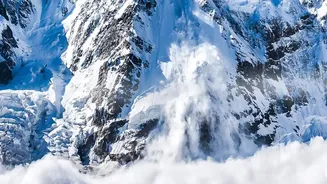
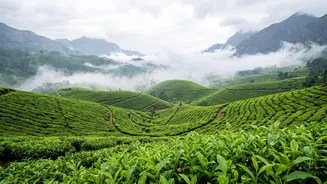
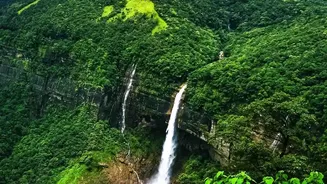
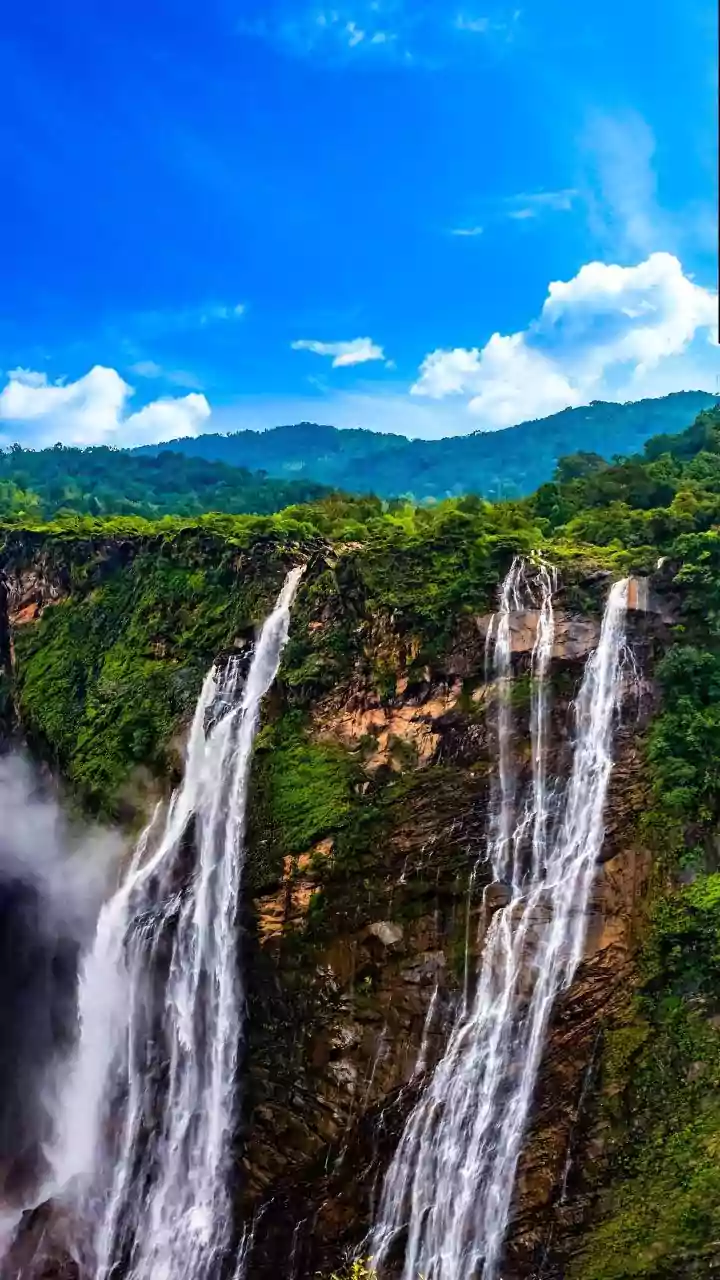
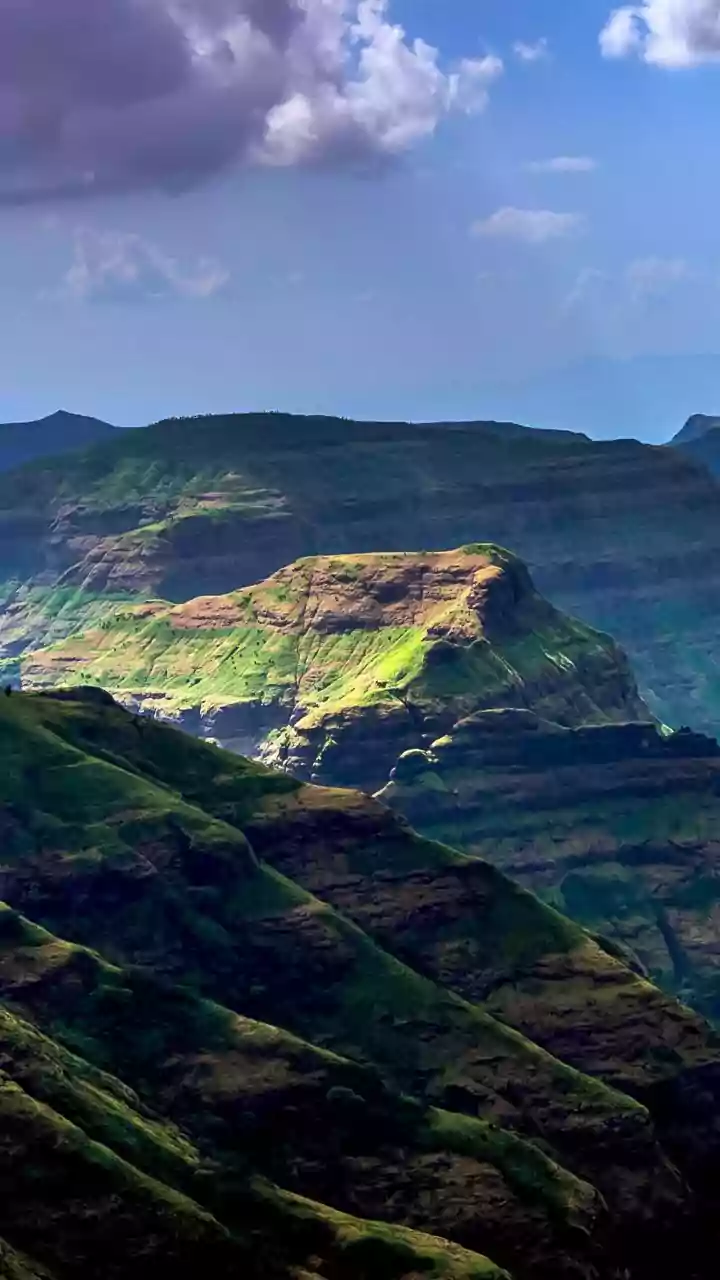
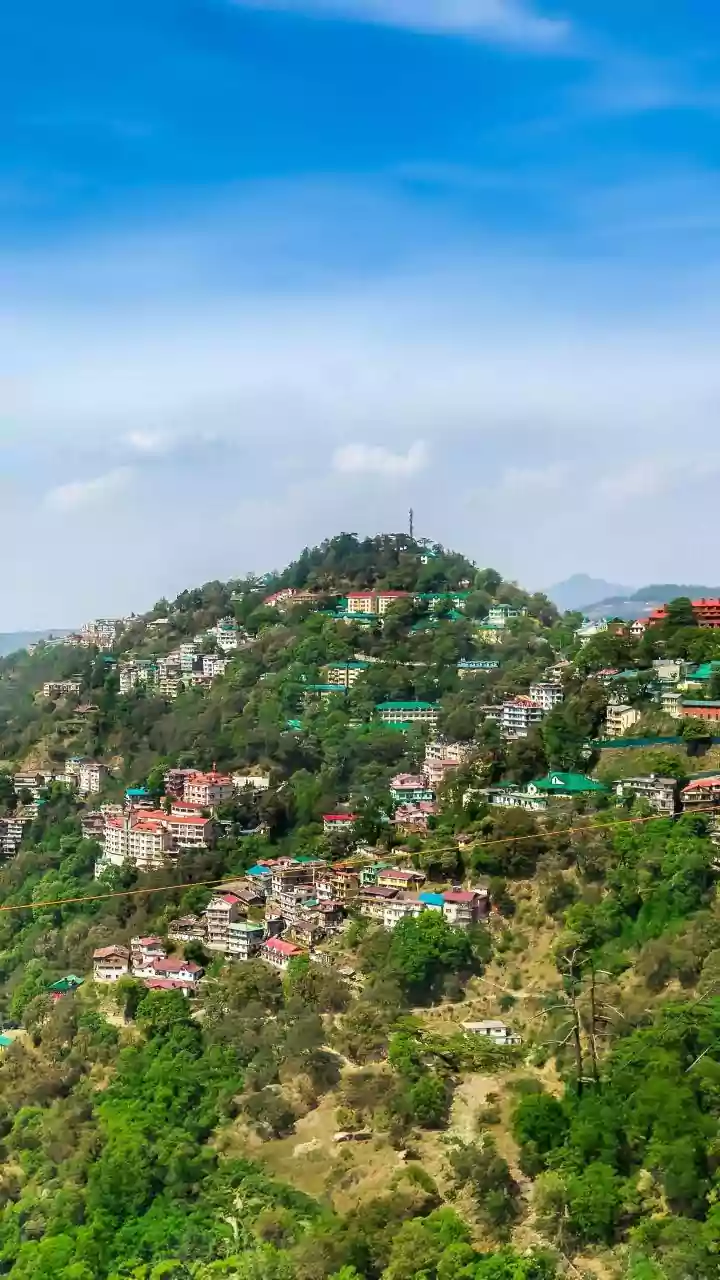
Before you book anything, your first check should be the destination itself. While many places like Kerala, Coorg, and parts of Maharashtra are stunning during the monsoon, some regions are prone to significant risks. Mountainous areas in states like Himachal
Pradesh and Uttarakhand can be susceptible to landslides, and flash floods can disrupt travel plans. Check recent weather patterns and advisories from the India Meteorological Department (IMD). Opt for destinations with good infrastructure and connectivity. Researching areas less affected by heavy rains can be a wise first step. Having a flexible itinerary with buffer days is also crucial, as weather can cause unexpected delays.
Decoding Weather and Local Advisories
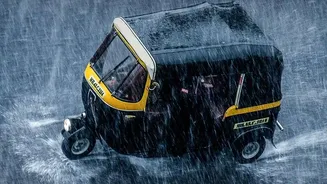
Once you have a destination in mind, become vigilant about the weather forecast. Don't just look at a simple rain icon; understand the alerts. The IMD issues colour-coded warnings (green, yellow, orange, red) that indicate the severity of expected weather events. An orange or red alert often warns of heavy to extremely heavy rainfall that could lead to waterlogging, traffic disruption, and unsafe conditions. Monitor these forecasts in the week leading up to your trip and even during your holiday. Local authorities also issue specific advisories regarding road closures or dangerous areas, so staying informed through local news or official channels is essential for your safety.
Road Safety: Navigating Your Journey
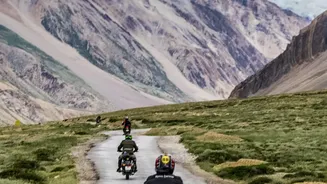
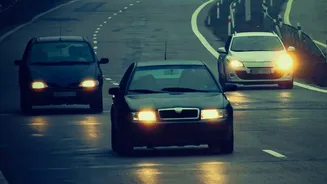
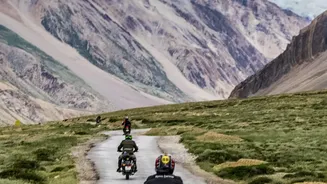
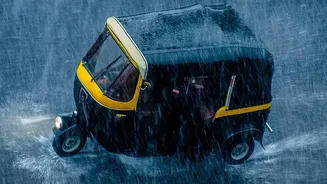
Road trips are a popular way to enjoy the monsoon, but they require extreme caution. Before starting, ensure your vehicle is monsoon-ready: check your tyres for adequate tread (at least 3mm is recommended), test your brakes, and make sure your headlights and wipers are functioning perfectly. On the road, reduce your speed significantly and double the usual following distance from the vehicle ahead, as braking takes longer on wet surfaces. Avoid driving through waterlogged areas, as it's impossible to gauge the water's depth or see hidden potholes and debris. Driving at night should be avoided if possible due to poor visibility. If you encounter heavy rain, switch on your low-beam headlights to ensure other drivers can see you.
Accommodation: Checks for a Safe and Dry Stay
Your choice of accommodation is vital for a comfortable monsoon trip. When booking, don't just look at the pictures. Opt for well-maintained properties that are not in low-lying or landslide-prone zones. It's a good idea to call the hotel or homestay directly and ask a few key questions. Enquire about their power backup situation, as electricity cuts can be common. Ask about the accessibility of the property during heavy rain and if they have faced issues with waterlogging in the past. Choosing a hotel on higher ground with good drainage is always a safer bet. For family trips, private villas or homes in less-crowded areas can offer more comfort and flexibility should you be stuck indoors due to rain.
Packing and Health Essentials
Your packing list for a monsoon trip is different from a regular one. Prioritise waterproof gear. A sturdy raincoat or poncho, a waterproof backpack or cover, and waterproof footwear with good grip are non-negotiable. Pack synthetic, quick-drying clothes instead of cotton or denim, which stay damp for a long time. To protect your electronics, use zip-lock pouches or dry bags. From a health perspective, carry a basic first-aid kit with medicines for common ailments like cold, flu, and stomach issues. Mosquito repellent is essential, as the risk of mosquito-borne diseases like dengue and malaria increases during this season. Finally, be cautious with food and water. Stick to bottled water and eat freshly cooked, hot meals from hygienic places to avoid waterborne illnesses.