
Why Late Summer is a Secret Gem
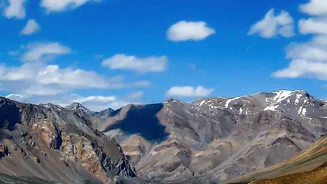
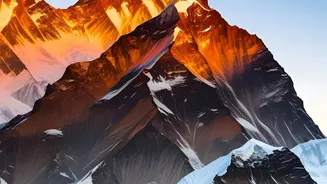
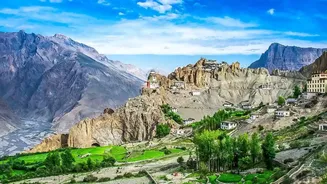
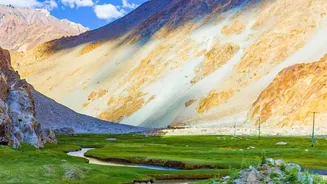
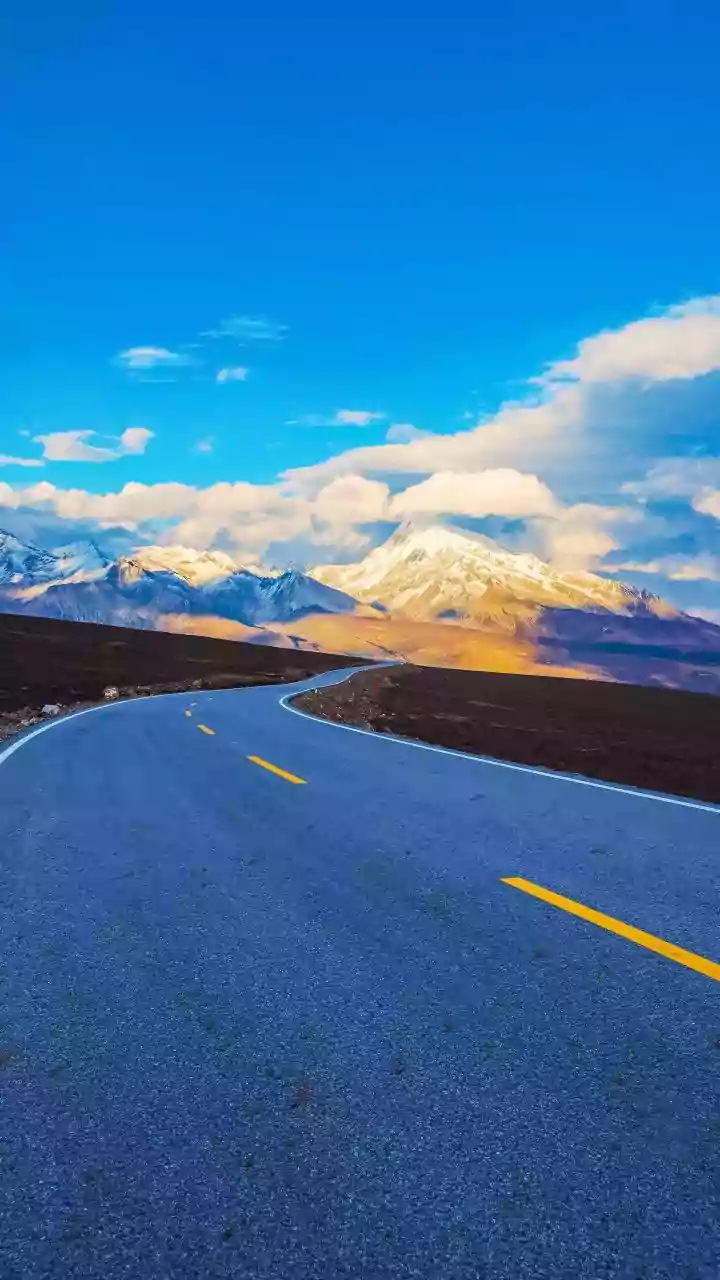
Visiting Ladakh between late August and September offers a unique blend of advantages. The monsoon has washed over the rest of India, but Ladakh, sitting in a rain shadow, enjoys clear blue skies and sharp, vivid landscapes. The tourist rush of June and July
has thinned, meaning more space at popular spots like Pangong Lake and quieter trails in the Nubra Valley. Accommodation often becomes more available and potentially cheaper. The Manali-Leh and Srinagar-Leh highways are typically open and in good condition, offering stunning autumnal colours, especially in September. The weather is pleasant during the day, perfect for sightseeing, though nights become progressively colder as October approaches.
Plan Your Acclimatization First
No matter when you visit, altitude sickness is a serious risk in Ladakh. Leh is situated at about 3,500 metres, and your body needs time to adjust to the lower oxygen levels. If you fly into Leh, the cardinal rule is to do absolutely nothing for the first 24 to 48 hours. Hydrate constantly by drinking three to four litres of water daily, eat light meals, and avoid alcohol for the first few days. A gentle walk to Shanti Stupa or the local market on your second day is a good way to test your adjustment before heading to higher altitudes like Khardung La or the lakes. Listening to your body is crucial; if symptoms like headaches or nausea persist, do not ascend further.
Crafting Your Late-Summer Itinerary
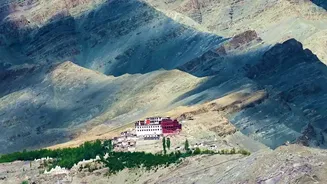
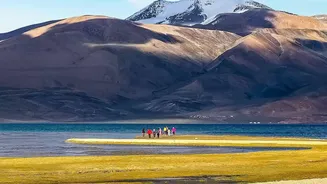
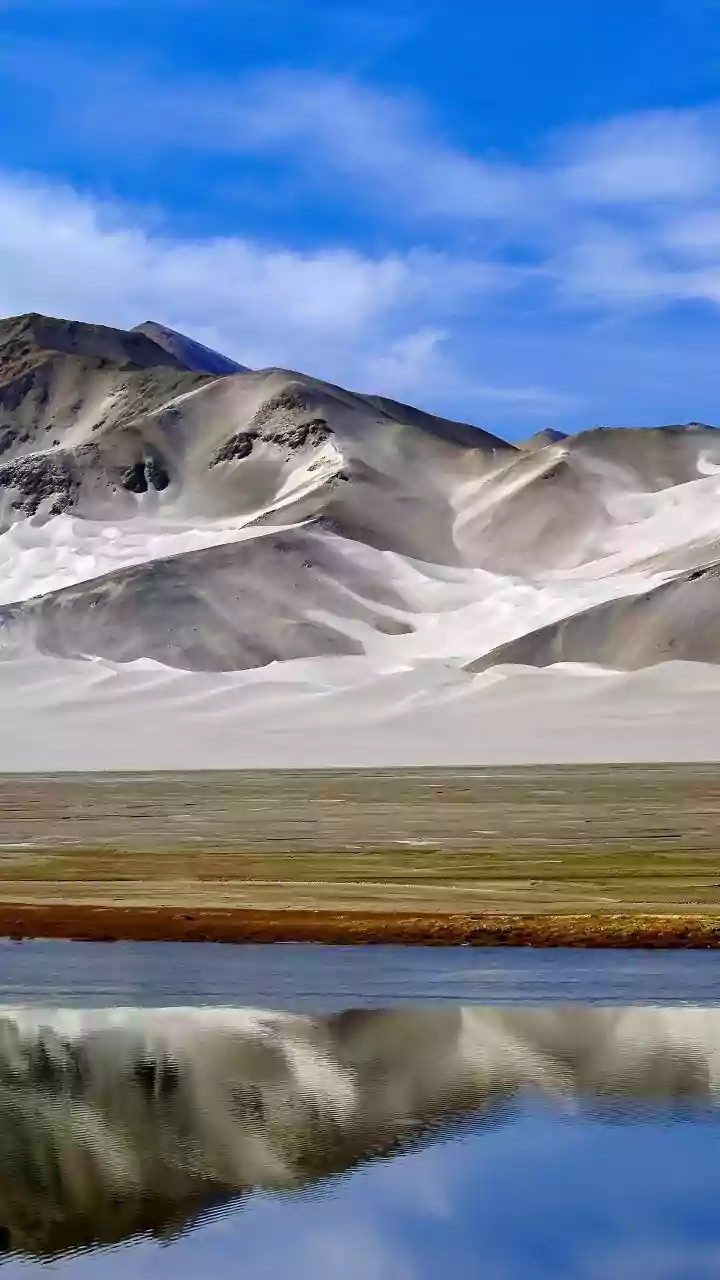
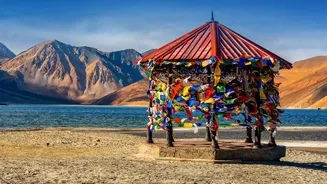
With fewer crowds, late summer is ideal for a more relaxed exploration. Start with local Leh sightseeing, including Leh Palace, Thiksey Monastery, and the Hall of Fame. Then, dedicate at least two days to the Nubra Valley via Khardung La, where you can experience the surreal sand dunes of Hunder and the peaceful Diskit Monastery. A night at Pangong Lake is a must to witness its colour-changing waters at sunset and sunrise. For a more off-beat experience, consider visiting Tso Moriri, a high-altitude lake that is even more tranquil than Pangong. Both the Srinagar-Leh and Manali-Leh highways offer breathtaking drives if you prefer a road trip. The Srinagar route provides a gentler acclimatization.
Catch a Cultural Spectacle
September is a fantastic time for cultural immersion. The most notable event is the Ladakh Festival, typically held in Leh for about a week. The festival kicks off with a grand procession through Leh, featuring participants in colourful traditional attire, and includes folk dances, polo matches, and archery contests. Several monasteries also hold their annual festivals ('gustors') around this period. These events, marked by masked monk dances, provide a fascinating window into Ladakhi spiritual traditions. Check the final dates closer to your travel time as they are based on the Tibetan lunar calendar.
Permits and Packing Essentials
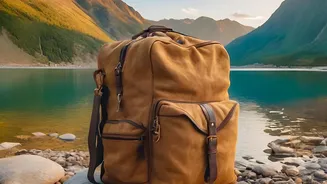
As of 2026, Indian tourists no longer need a separate Inner Line Permit (ILP) for restricted areas like Nubra Valley, Pangong Tso, and Tso Moriri. Instead, you must pay the Ladakh Environment Fee online before your trip at the official LAHDC website. This includes a one-time environment fee and a per-day wildlife fee. Print the receipt and carry copies along with a valid government ID. For packing, think in layers. Days can be sunny and warm, but temperatures drop significantly at night and at high passes. Essential items include thermal wear, a warm fleece or down jacket, a windproof and waterproof outer layer, a hat, sunglasses, and high-SPF sunscreen. Sturdy walking shoes are non-negotiable.