
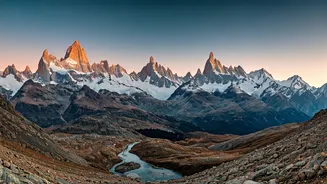
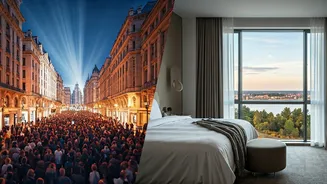



The Picture vs. The Reality
Remember that postcard-perfect image of Santorini’s blue domes you saved on Instagram? The reality for many summer travellers is waiting in a queue for an hour just to take that same photo, surrounded by hundreds of other people. From the canals of Venice,
where cruise ship crowds overwhelm the narrow alleys, to the traffic jams leading to Manali, the story is the same. The places we’ve been taught to dream about are becoming victims of their own success. This phenomenon, known as overtourism, isn't new, but after years of pent-up travel demand, it has reached a fever pitch. The charm of discovery is being replaced by the stress of crowd management, turning a relaxing holiday into an exhausting ordeal.
The Post-Pandemic Travel Boom
The surge in what experts call “revenge travel” is a major factor. After two years of lockdowns and restrictions, everyone wanted to go everywhere, all at once. This created unprecedented demand for a limited supply of popular hotels, flights, and attractions. Prices skyrocketed, but so did the crowds. The result is a diminished experience. A quiet moment watching the sunset is impossible when you’re jostling for space. A leisurely meal at a local cafe feels rushed when there’s a long line of people waiting for your table. Furthermore, the pandemic taught many of us to value space, peace, and quiet. The thought of plunging back into a sea of humanity feels counterintuitive to the very idea of a restorative break. Travellers are beginning to realise that the most famous places might not offer the best experiences anymore.
Searching for the Travel 'Dupe'
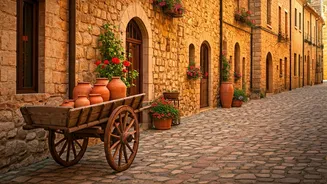
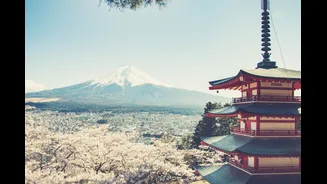
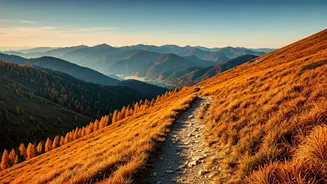
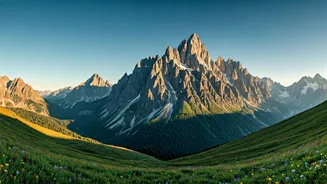
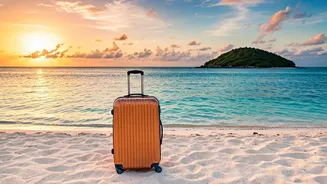
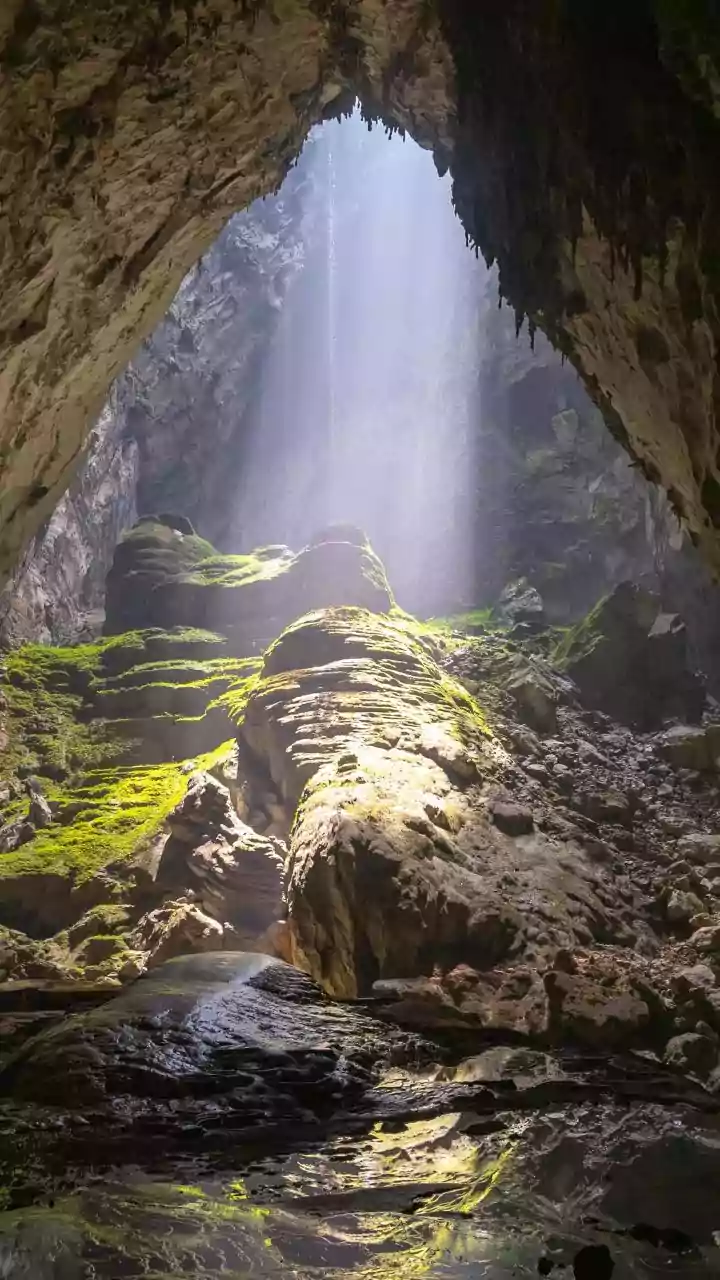
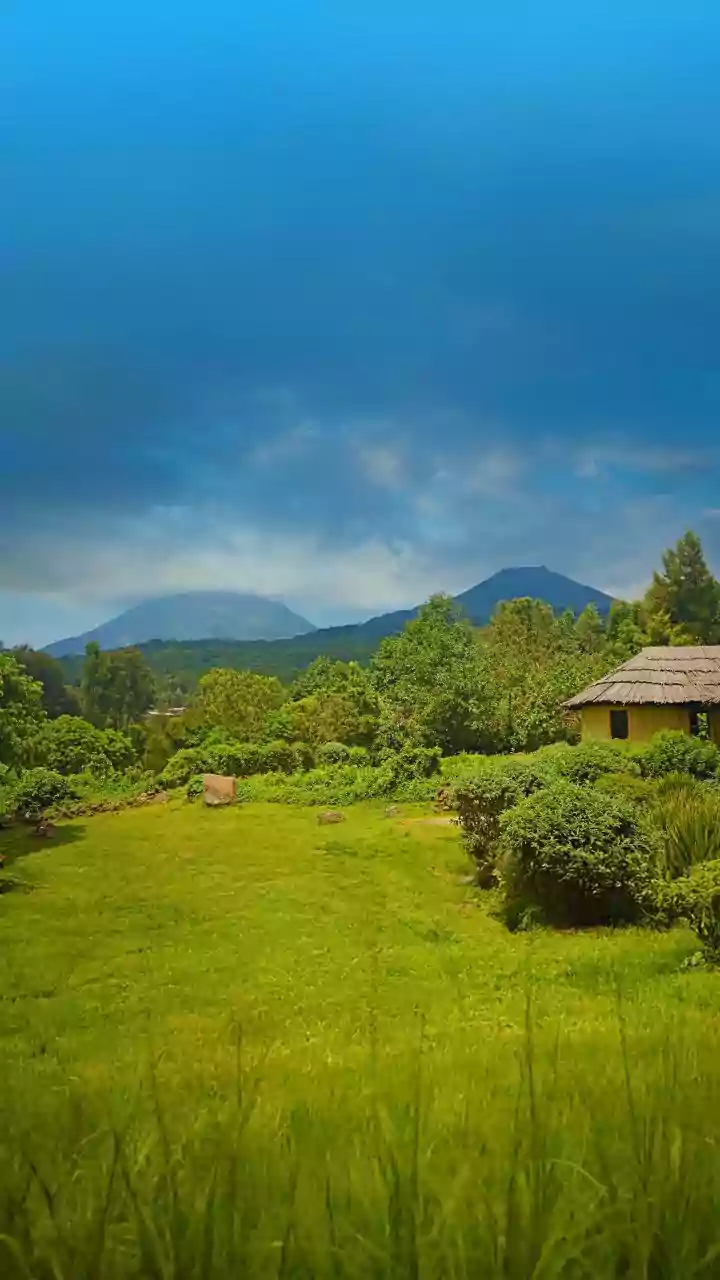
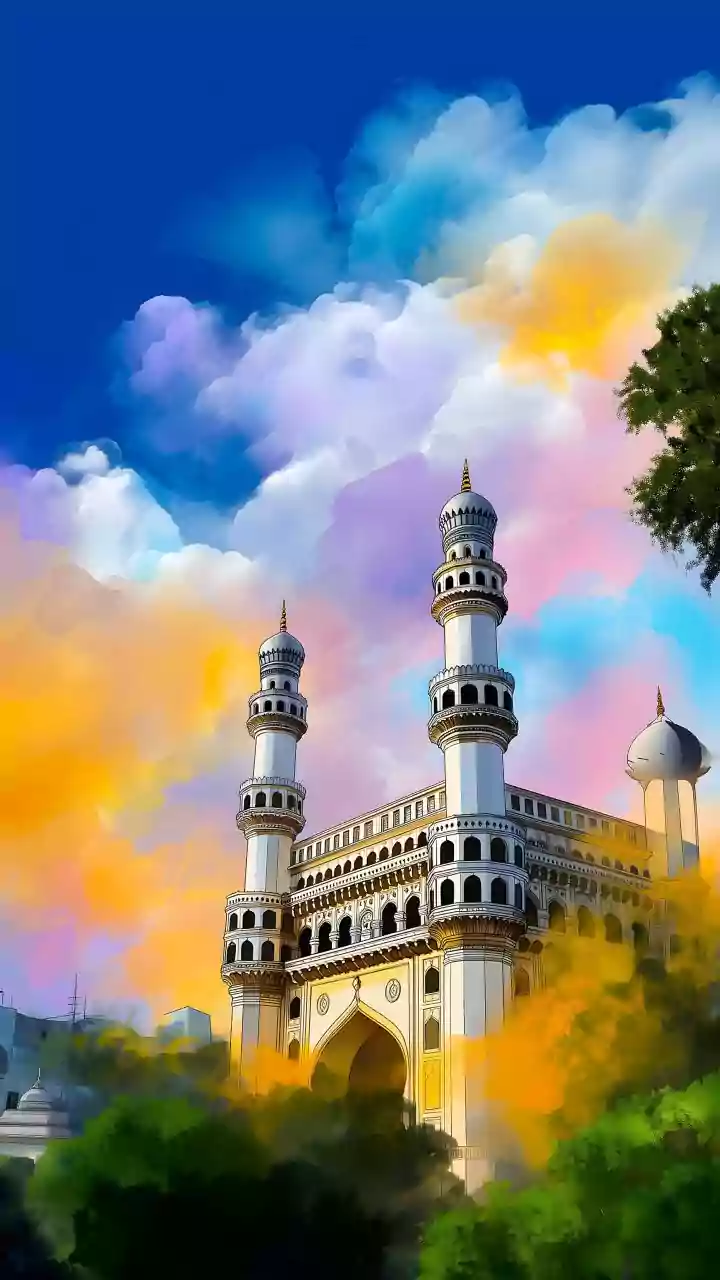
A fascinating new trend is emerging in response: the rise of the “dupe” destination. Just as in the beauty world where a “dupe” is an affordable alternative to a luxury product, a travel dupe offers a similar vibe to a famous hotspot without the crowds and cost. Instead of the packed Amalfi Coast, savvy travellers are exploring lesser-known coastal towns in Albania or Portugal. Instead of fighting for a hotel room in Shimla, they are discovering quieter, equally beautiful hill stations in Uttarakhand or Himachal. This isn’t about settling for second best; it’s about being smart. These alternative spots often provide a more authentic and relaxed experience, allowing travellers to connect with the local culture rather than just other tourists.
A Deeper Quest for Authenticity
This shift is about more than just avoiding crowds. It reflects a deeper change in what we want from travel. For a new generation of Indian travellers, the old-school European checklist tour or a frantic weekend in Goa is losing its appeal. The goal is no longer to just “see” a landmark and tick it off a list. Instead, the focus is on “experiencing” a place. This means seeking out unique homestays over chain hotels, learning a local craft, taking a cooking class, or simply spending an afternoon in a park without a packed itinerary. It’s a move from passive consumption to active participation. This search for authenticity is leading people away from the beaten path to places where the tourist trail hasn't yet erased the local character.
How to Travel Smarter This Summer
So, how can you avoid the crowds and find that charming holiday you’re dreaming of? Firstly, consider travelling in the shoulder seasons—the months just before or after the peak summer rush (like April-May or September-October). The weather is often still pleasant, but the crowds are thinner and prices are lower. Secondly, look beyond the main cities. Every famous region has smaller towns and villages nearby that offer a more genuine glimpse into local life. Finally, redefine your idea of a “perfect” holiday. Maybe it’s not about seeing the Eiffel Tower, but about finding the best croissant in a quiet Parisian neighbourhood. Maybe it’s not a rave in North Goa, but a peaceful kayaking trip through the backwaters of the South.