
The Rise and Fall of the 'Shelfie'
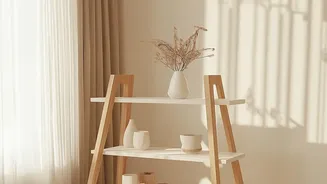
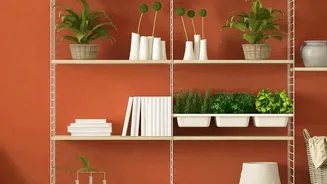
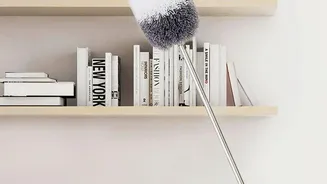
You know the look: a set of shelves, meticulously arranged with books turned spine-in, a few generic geometric objects, a small potted succulent, and a neutral colour palette. It was the backdrop of countless Instagram posts and the pinnacle of a certain
minimalist aesthetic. This was the era of the 'shelfie,' a trend that prioritised photogenic perfection over personal expression. It was a look that was often beautiful but felt strangely sterile, as if designed for an audience rather than for the inhabitant. The pressure to maintain this flawless facade, however, has led to aesthetic fatigue. Designers and homeowners alike are pushing back against the 'global generic' look, seeking warmth, authenticity, and spaces that feel human and lived-in.
A Rebellion Against Perfection
The move away from the over-styled shelf is part of a larger cultural shift. In a world saturated with idealized online imagery, there's a growing desire for authenticity and a rejection of performative perfection. The curated shelfie, much like the 'clean girl aesthetic', started to feel unattainable and, frankly, a bit boring. People grew tired of interiors that felt like showrooms, filled with items bought solely to fit a trend. This trend reversal champions the idea that a home should tell a story, not just follow a formula. It's a move away from consumerism for the sake of a photo and a return to valuing items with history, character, and a personal connection.
Welcome to Meaningful Decor
So, what replaces the impersonal shelfie? The 'meaningful display.' This isn't about embracing messy clutter, but about thoughtful curation. It's about showcasing who you are and where you've been. Instead of a generic vase, it's the handcrafted pottery you bought on vacation. Instead of spine-in books, it's the well-loved paperbacks that have shaped your thinking. It's a mix of family photos, children's artwork, inherited heirlooms, and travel mementos. These displays are deeply personal, telling the unique story of the people who live in the space. The new approach values emotional resonance over visual spectacle, creating rooms that feel grounded, inviting, and soulful.
How to Create Your Own Meaningful Display
Ready to trade perfection for personality? The process is more about intuition than rules, but a few principles can guide you. Start by gathering objects that genuinely mean something to you. Don't worry about whether they 'go together' at first. Look for personal letters, your grandmother's teacup, a collection of seashells from a family trip, or framed concert tickets. Once you have your collection, find a common thread to create a cohesive look. This could be a similar colour palette, material, or theme. Group items in odd numbers—threes and fives are often visually appealing. Mix high and low, combining a precious heirloom with a simple, beloved photograph. And remember to use different heights and textures to create visual interest. The key is to let your personality shine through.