




The Allure of the Abode of Clouds
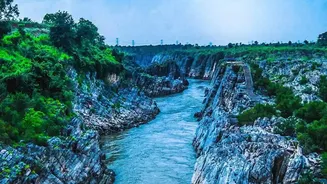
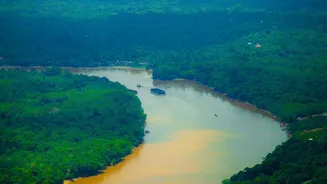
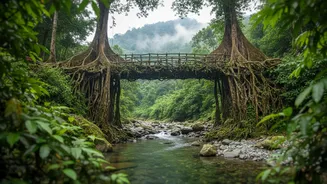
Meghalaya, aptly named the 'Abode of Clouds', is a visual spectacle during the monsoon season. The landscape erupts into a vibrant emerald green, ancient living root bridges glisten with rain, and waterfalls like Nohkalikai and the Seven Sisters plunge
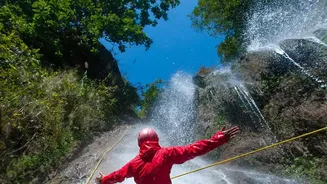
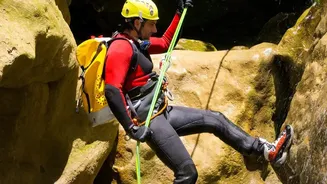
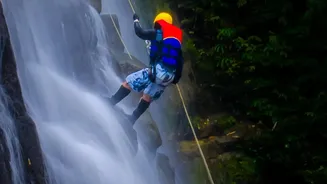
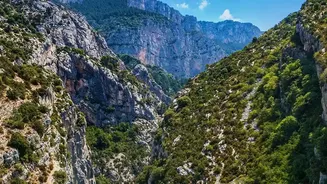
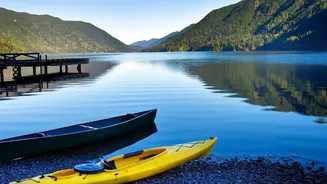
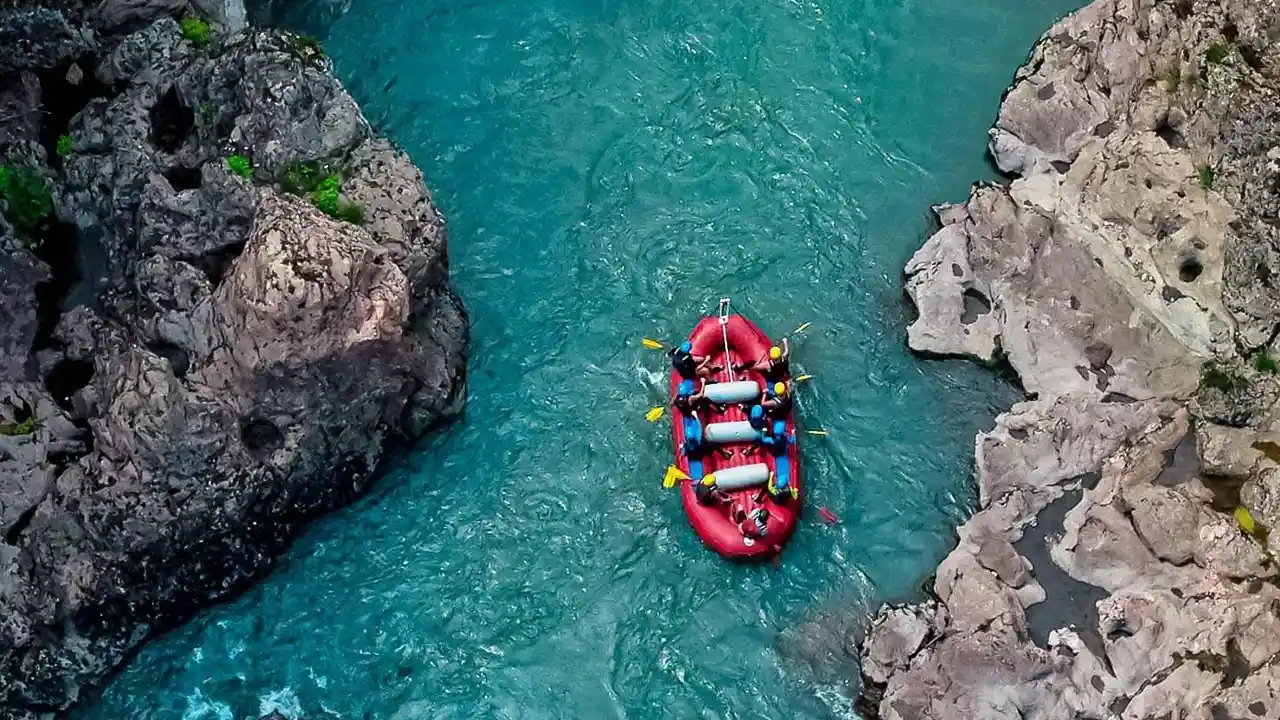
with breathtaking force. This dramatic scenery creates a powerful draw for adventure seekers. For kayakers and canyoneers, the state's intricate network of sandstone gorges and rivers offers a world-class playground. Paddling through these deep, jungle-clad canyons is an experience of profound beauty and raw natural power, a chance to navigate one of the most unique and aquatic landscapes on the planet.
The Hidden Danger of Flash Floods
The very thing that makes Meghalaya so lush is also what makes it perilous. The region is home to Mawsynram and Cherrapunji, two of the wettest places on Earth, where rainfall is measured in feet, not inches. During the monsoon, this rain doesn't fall evenly. An intense, localised downpour can occur high in the hills, miles upstream from where kayakers might be enjoying a seemingly calm river. This massive volume of water gets funnelled into narrow, steep-sided canyons, creating a flash flood. The water level can rise metres in mere minutes, transforming a gentle stream into a violent, unstoppable torrent with no warning. This is the primary, life-threatening danger of canyoning here.
Trapped: The Anatomy of a Canyon Crisis
When a flash flood hits a canyon, escape is often impossible. The sheer, slippery rock walls offer no handholds or exit routes. The force of the water is immense, capable of sweeping away people, creating powerful underwater currents, and carrying heavy debris like logs and boulders. Incidents in the past have highlighted these dangers, with even experienced kayakers getting trapped. The water is not just rising; it's a chaotic, powerful force. Hypothermia becomes a secondary risk, as does being pinned against or under obstacles. Standard weather forecasts are of little use in these situations because they lack the hyper-local, real-time data needed to predict a flood originating from a storm cell miles away.
The Mandatory Lifeline: Hyper-Local Tracking
This is why reputable adventure operators in Meghalaya have made hyper-local weather tracking a mandatory, non-negotiable protocol. This isn't about checking a weather app. It's a sophisticated system built on local knowledge and communication. It often involves a network of human 'spotters' positioned at key locations upstream. These spotters monitor rainfall and river levels and immediately relay information downstream via radio or satellite phones if they detect a surge. This provides the crucial window of time—sometimes just 15 to 30 minutes—for a group in a canyon to find higher ground or abort their trip. This system effectively acts as an early warning alarm against a silent threat.
Your Safety, Your Responsibility
The 'mandatory' nature of this rule is enforced not by government paperwork, but by the professional ethics of responsible tour operators who understand the stakes. Any operator willing to take a group into a monsoon canyon without such a system is taking an unacceptable risk. As an adventurer, your primary safety check should be to ask a potential guide about their specific flash flood and weather communication protocol. Do they have upstream spotters? How do they communicate? Their answer will tell you everything you need to know about their commitment to safety. A hesitant or vague response is a clear red flag to walk away. Choosing an operator who respects the power of the local environment is the most important decision you will make.