


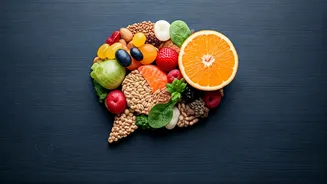


The Great Indian Fibre Deficit
On paper, a traditional Indian diet seems packed with fibre—lentils, vegetables, and whole grains are all staples. Yet, studies show a different reality. The Indian Council of Medical Research (ICMR) recommends that adults consume about 25 to 40 grams
of fibre daily. However, many urban Indians are only getting about 15 grams per day, which is less than half the required amount. This shortfall can lead to a host of issues, including poor digestion, unstable blood sugar levels, and an increased risk of chronic conditions like heart disease and diabetes. Fibre is essential for maintaining gut health, managing weight, and lowering cholesterol, making this gap a serious concern for national health.
Why Modern Plates Fall Short
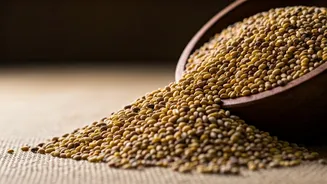
So, where did the fibre go? The answer lies in modernisation and subtle shifts in our eating habits. The biggest culprit is the move from whole grains to refined ones. Whole wheat atta and millets like ragi, bajra, and jowar have been increasingly replaced by refined flour (maida) and polished white rice, which are stripped of their fibrous bran and germ. Similarly, the convenience of processed and packaged foods—from biscuits to ready-to-eat meals—has pushed traditional, high-fibre snacks and dishes to the side. Even healthy habits have been diluted; drinking fruit juice instead of eating the whole fruit eliminates nearly all the fibre content. A lack of general awareness about fibre's importance means it's often overlooked in favour of other nutrients like protein.
Breakfast: Your First Fibre Fix
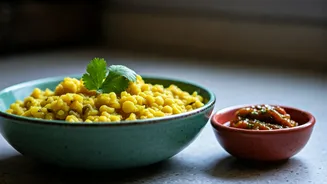
Starting your day with fibre is one of the easiest ways to bridge the gap. Instead of white bread toast, consider options like poha or upma loaded with vegetables like peas, carrots, and beans. Traditional choices like millet dosas (ragi or bajra) or moong dal chilla are excellent high-fibre alternatives to standard dosas. If you enjoy oatmeal, prepare it as a savoury upma. A simple but effective trick is to add a whole fruit, like a banana or apple, alongside your main breakfast dish. Sprinkling a tablespoon of chia seeds or ground flaxseeds into your yoghurt or smoothie is another effortless way to add a few extra grams of fibre without changing the taste of your meal.
Rethinking Lunch and Dinner
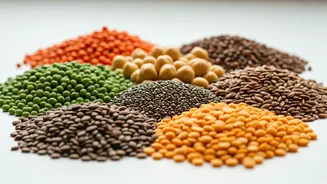
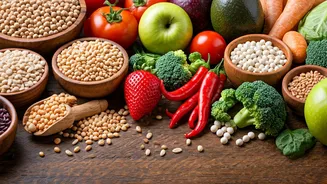
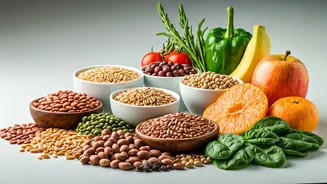
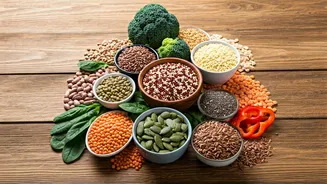
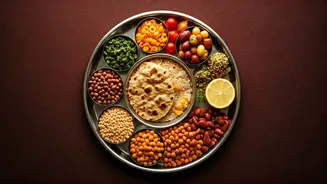
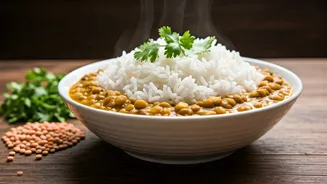
Your main meals offer the biggest opportunity for a fibre makeover. The simplest switch is swapping refined grains for whole ones. Replace polished white rice with brown rice, red rice, or millets. Ensure your rotis are made from 100% whole wheat atta, or even better, a multigrain flour that includes jowar, bajra, or ragi. Make vegetables the star of your plate, not just a small side dish. Aim to fill half your plate with sabzi or a raw salad. Don't forget the power of legumes. Including a portion of dal, chana, or rajma in at least one meal daily can significantly boost your fibre intake. These dishes are not only rich in fibre but also in protein, keeping you fuller for longer.
Smart Snacking for a Fibre Boost
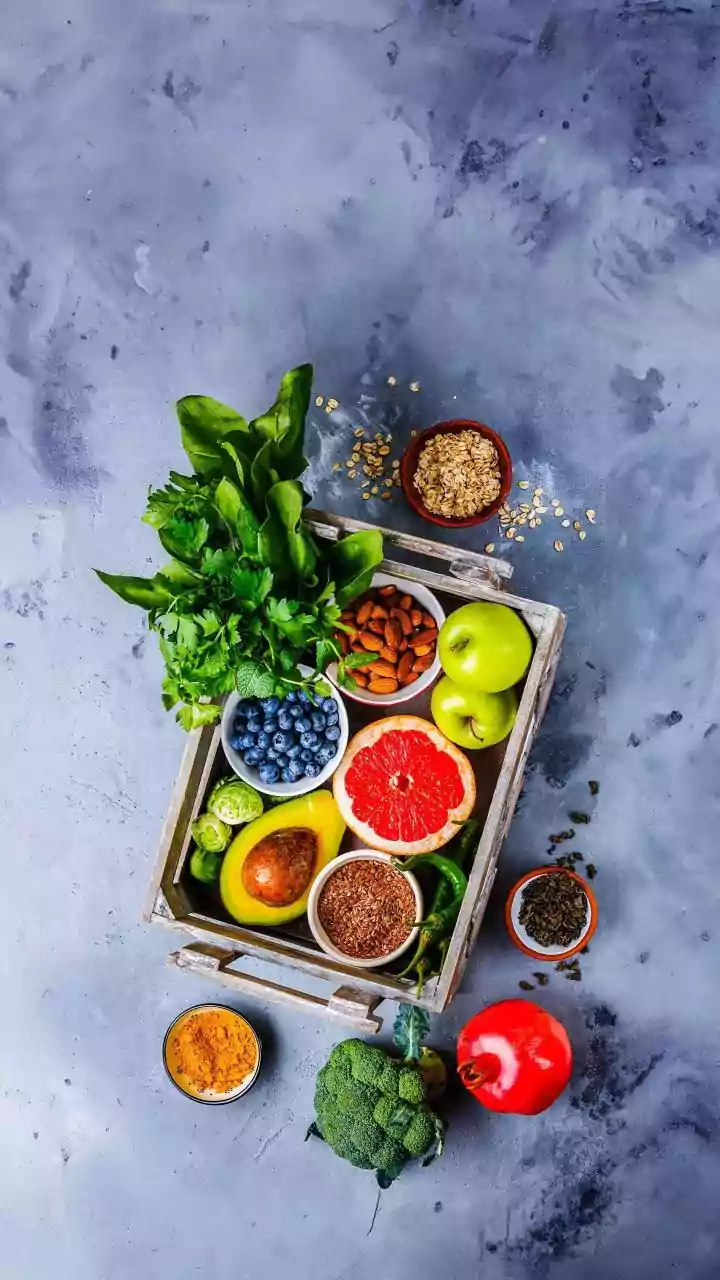
Snack time is often where refined carbs and sugars creep in. Instead of reaching for packaged namkeen or biscuits, opt for whole-food snacks. A handful of roasted chana or makhana provides a satisfying crunch with a good dose of fibre. Fresh fruits with their skin on, like apples, guavas, and pears, are fantastic choices. A small bowl of sprouts chaat, a few dates, or a handful of nuts and seeds are other nutrient-dense, high-fibre options that can easily replace processed snacks. By making these simple swaps, you not only increase your fibre but also add valuable vitamins and minerals to your diet.