





The Philosophy of Overlap
The feeling is all too common: you open the fridge to find a collection of half-used ingredients with no clear purpose. That lone bell pepper, the remaining half-bunch of cilantro, and a few spoonfuls of sour cream are the ghosts of meals past. This is often
the result of recipe-by-recipe shopping, where each meal requires a completely new and distinct ingredient list. The concept of "ingredient overlap" offers a simple but powerful alternative. It's the practice of intentionally planning meals that share a few core components. This isn't about eating chicken and rice for five straight nights. Instead, it’s about creating a smarter, more flexible pantry that allows you to build different meals from a common foundation, drastically cutting down on food waste and decision fatigue.
Build Your Staple Toolkit
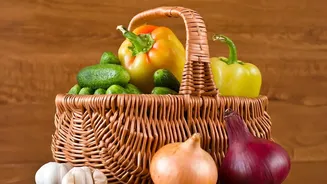
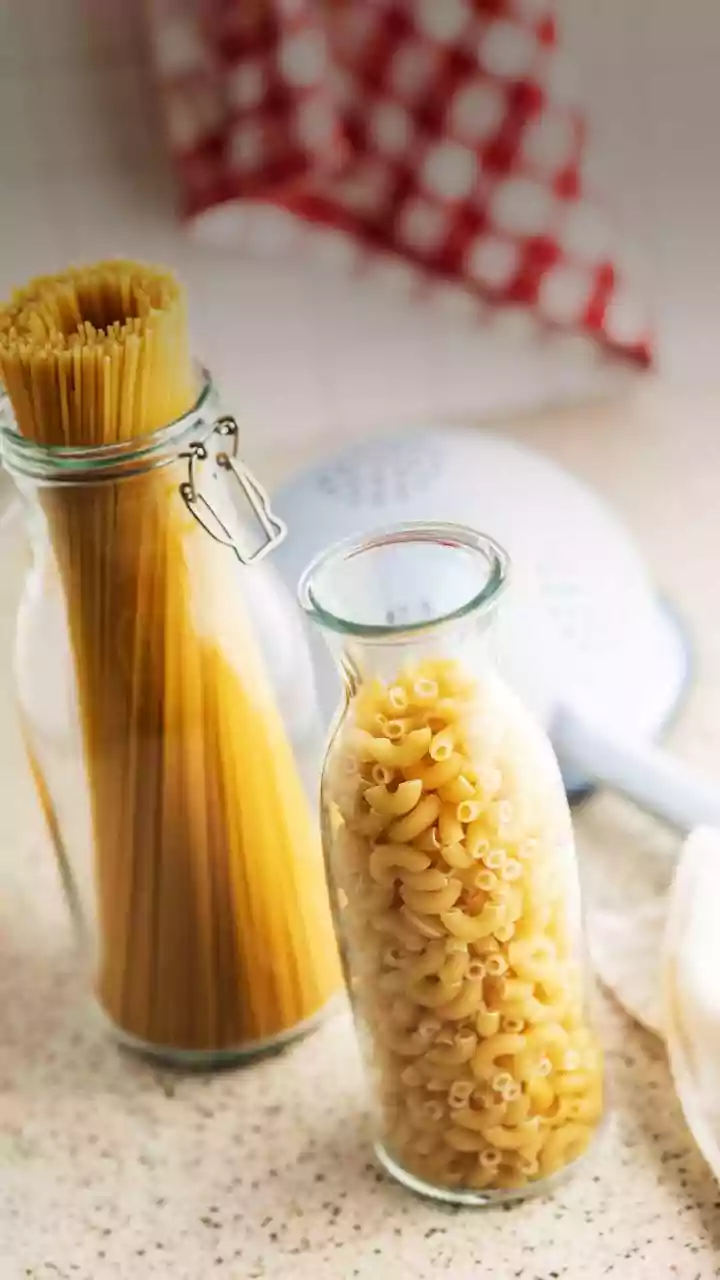
A successful overlap strategy begins with identifying your workhorse ingredients. These are versatile staples that can cross culinary borders with ease. Think about items that form the base of many of your favorite dishes. Good candidates include onions, garlic, canned tomatoes, eggs, rice, pasta, and proteins like chicken or ground beef. Beyond these basics, consider adding a few flexible vegetables like bell peppers, spinach, or carrots, which can be used raw in salads, sautéed in stir-fries, or roasted as a side dish. Having these items on hand means you’re not starting from scratch for every meal. Instead, you’re just shopping to fill in the gaps with a few unique ingredients that can transform your staples into something new.
Plan Components, Not Just Recipes
One of the most effective ways to avoid meal repetition is to shift from planning complete dishes to prepping components. At the start of the week, instead of making three full meals, spend time preparing individual ingredients. You could roast a big batch of mixed vegetables, cook a pot of quinoa, grill several chicken breasts, and mix a versatile vinaigrette. Now, your weeknight "cooking" becomes more about assembly. One night, you can combine the chicken, roasted vegetables, and quinoa into a warm grain bowl. The next, you can shred the chicken, wrap it in a tortilla with fresh greens and that vinaigrette, and serve the roasted veggies on the side. This approach provides variety and freshness without the daily grind of starting from zero.
The Art of the 'Flavor Pivot'
The key to making shared ingredients feel like entirely different meals lies in the 'flavor pivot'. Your core components (like chicken and rice) are a blank canvas. The magic comes from the sauces, spices, and fresh additions you use to finish the dish. For example, that same chicken and rice base can become a Mexican-inspired bowl with the addition of salsa, avocado, and lime juice. The next day, it can transform into an Asian-style stir-fry with soy sauce, ginger, and sesame oil. Later in the week, toss it with pesto, cherry tomatoes, and parmesan for an Italian flair. Learning to pivot your flavor profile with sauces, herbs, and spices is the single best way to ensure your ingredient overlap plan never feels boring or repetitive.
Master the 'Use-It-Up' Mentality
Even with the best plans, you’ll inevitably have small amounts of ingredients left over. The final step is to cultivate a "use-it-up" mindset. Before your next grocery trip, take an inventory of your fridge and pantry. Have a handful of wilting spinach? Toss it into a smoothie or your morning eggs. A few tablespoons of leftover tomato sauce? Use it as a base for a quick pizza on a flatbread. Those vegetable scraps like onion skins and carrot peels can be saved in a freezer bag to make a flavorful homemade stock later. Turning these odds and ends into a frittata, a soup, or a stir-fry is a satisfying way to ensure that you are using everything you paid for, bringing your food waste as close to zero as possible.